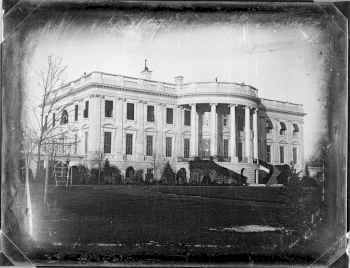
Founded in 1760, Gettysburg is forever linked to one of the most defining moments in American history. The Battle of Gettysburg marked the turning point of the Civil War, and just months later, President Abraham Lincoln delivered his 271-word Gettysburg Address—one of the most influential speeches ever given. Today, guests experience this remarkable chapter of history during a visit to Gettysburg National Military Park Museum & Visitor Center on our In Freedom’s Footsteps: New York to Washington, DC journey.
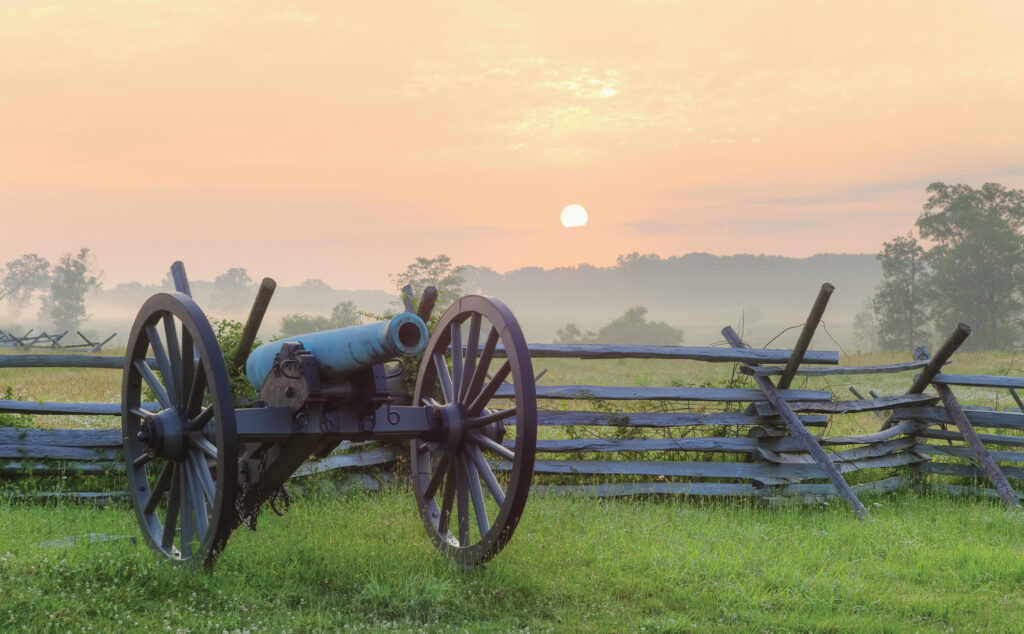
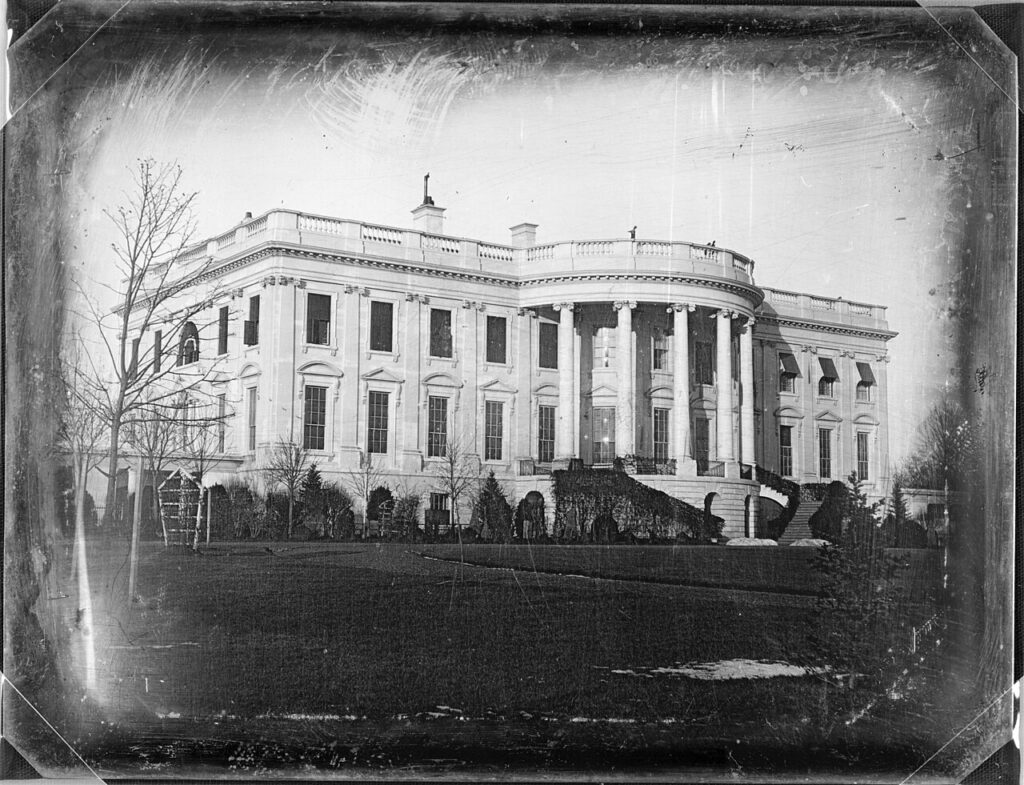
Since President John Adams first took residence in 1800, the White House has served as both the home and workplace of every U.S. president. An enduring symbol of American democracy, it remains one of the country’s most recognizable landmarks.
See it for yourself during your down time on our journeys that visits Washington D.C.
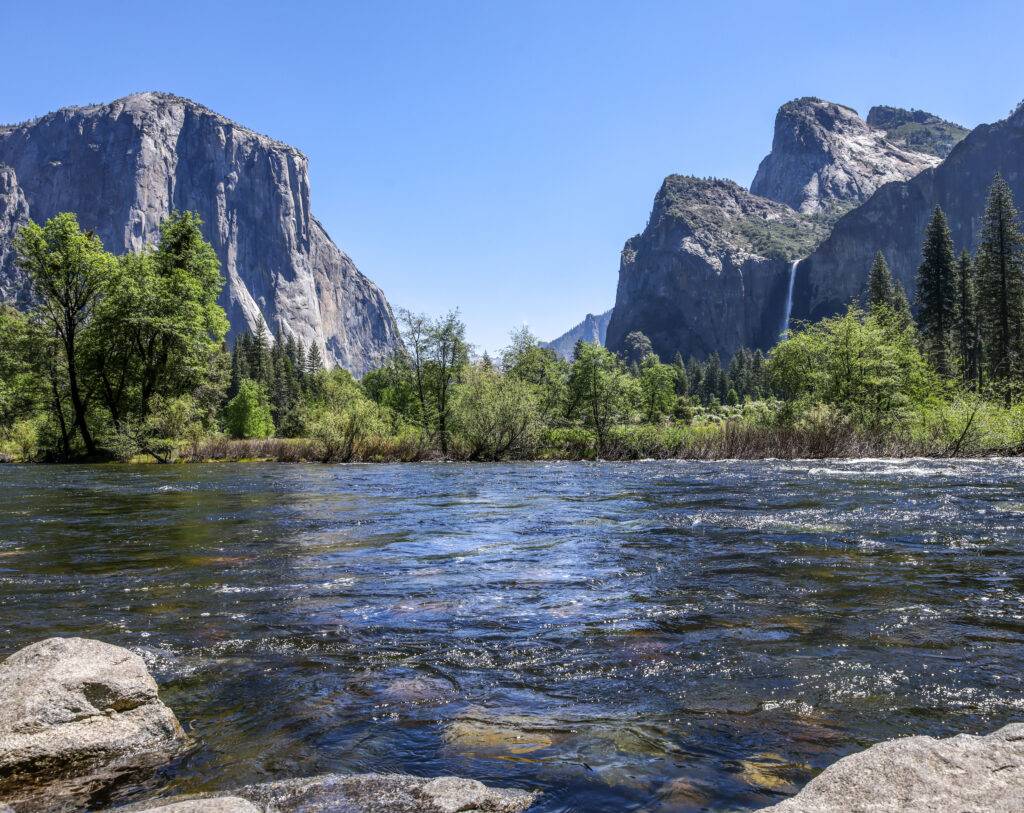
Yosemite has inspired generations of travelers since the Yosemite Grant of 1864 helped lay the foundation for America’s national park system. From John Muir’s conservation efforts to the Buffalo Soldiers who protected the park before the National Park Service was established, Yosemite’s story is one of preservation, exploration, and wonder.
Since 1925, Tauck has helped guests experience that legacy through expertly guided journeys enriched by exclusive access, immersive storytelling, and our longstanding collaboration with acclaimed filmmaker Ken Burns.
Yosemite is featured on our flagship journey, Yosemite and Sequoia: John Muir’s California.
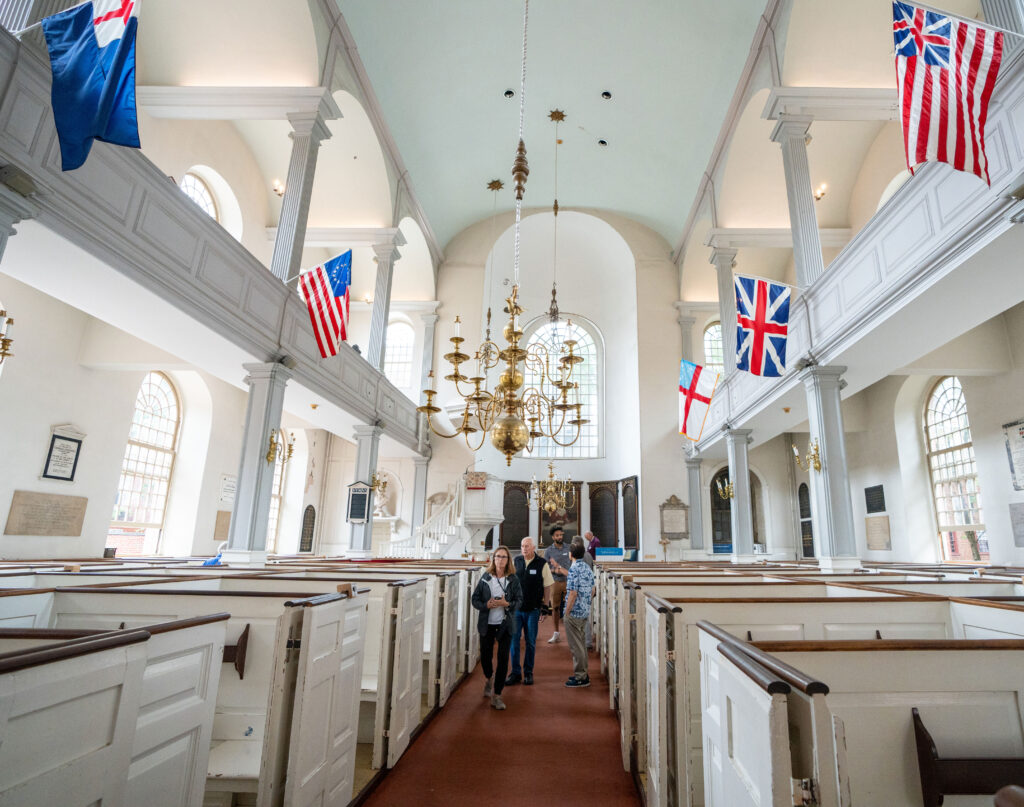
Founded in 1630 by English Puritans, Boston played a central role in the American Revolution. The Boston Massacre, the Boston Tea Party, Paul Revere’s Midnight Ride, the Battle of Bunker Hill, and the Siege of Boston all helped shape the nation’s path to independence.
Boston also holds a special place in Tauck’s history. Arthur Tauck Jr. quietly funded the preservation of the bell tower at Old North Church—a landmark visited by Tauck’s very first guests in 1925 and by thousands more in the decades since.
Today, Boston remains a highlight of our New England journeys, where its rich history continues to come alive for Tauck guests. See it for yourself on: Shores of Eastern Canada and New England; Hidden Gems of New England; Grand New England and Seaside New England: Boston, Cape Cod & Newport.
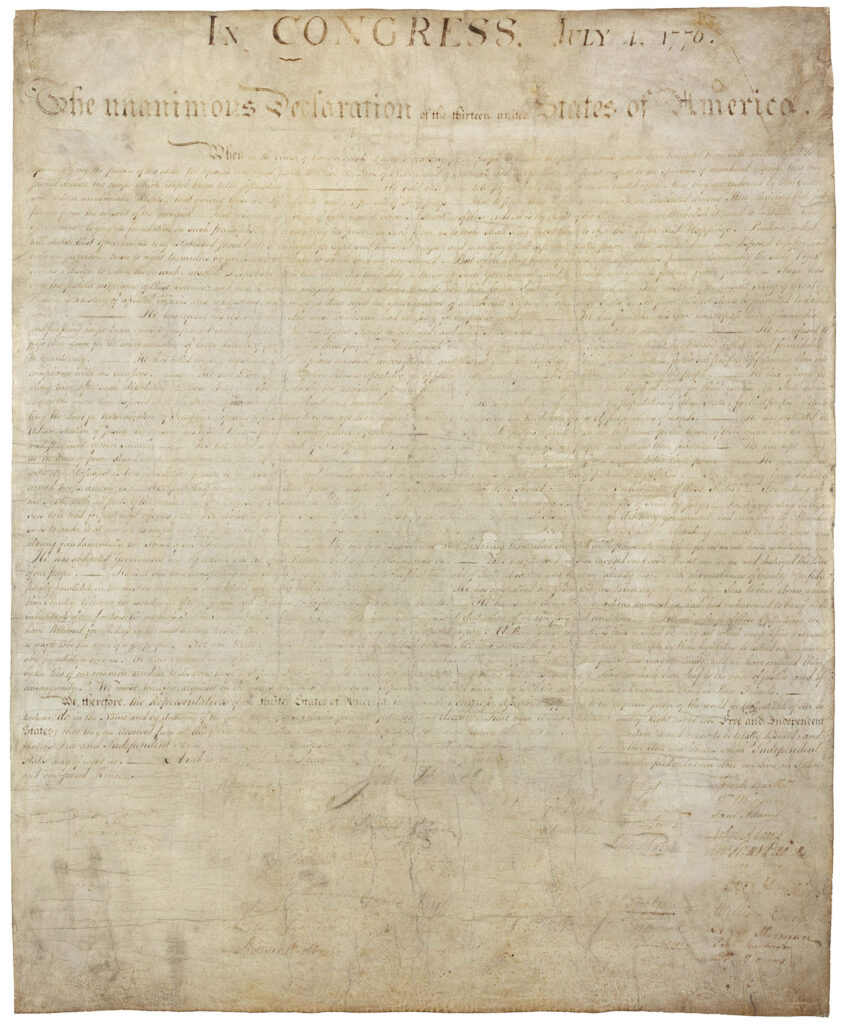
I’ve always been captivated by our nation’s journey––full of successes as well as setbacks, and still very much incomplete––to try to live up to the stirring ideals expressed in the Declaration of Independence. One of the things that I think bonded Ken and me when we became friends, years before we started collaborating on films, was that we each spent part of every Fourth of July reading the Declaration to our young children. (Yes, young eyes often rolled, but we persevered anyway). And our work together for more than 30 years has been focused on exploring different ways to tell the story of that journey.
So, I will spend this 250th anniversary reading that document again, and then will call (or email) Ken, and we’ll share our intention, borrowing from it, to “mutually pledge our lives, our fortunes, and our sacred honor” toward doing what we can to edge that journey forward toward its noble goal.
Virtually all of the Founders believed that the revolutionary system of self-government they were creating would be a work in progress. But Franklin was particularly keen on this. As an inventor and scientist, he saw it as an experiment that meant tinkering with the results and making needed improvements to succeed. As a writer and publisher, he also believed that what he called “errata” required correction whenever they were recognized.
Immediately after the Constitution was ratified, for instance, he submitted a petition to Congress calling for the freedom of enslaved people as a “means for removing this inconsistency from the character of the American people.” Congress refused. If he came back now, I think he’d be pleased that this was finally achieved, even at the cataclysmic cost of the Civil War. I think he’d also recognize amendments to the Constitution for voting rights for Black Americans, women, and indigenous people as signs of progress.
He, of course, would be completely fascinated by scientific and technological breakthroughs, from the internet to space travel to decoding DNA.
The current political and cultural divisions of our country probably wouldn’t surprise him much; he had lived through times when the divisions included a brutal war in which every town and even some families (including his own) were on opposite sides.
I think he’d be deeply concerned that the delicate and necessary separation of powers between the presidency, Congress, and courts––which he had helped craft as a buttress against a dictatorship or return to monarchy––are currently eroding.
But Franklin was basically an optimist, though certainly not a Pollyanna. Shortly after the Constitution’s ratification and Washington was president, he wrote, “Our grand machine has at length begun to work. If any form of government is capable of making a nation happy, ours I think bids fair . . . for producing that effect. But after all, much depends upon the people who are to be governed.”
That was his assessment and his message to us today: “much depends upon the people who are to be governed.” The “grand machine” requires constant maintenance and occasional improvements. It’s up to the people to provide it.
I imagine every American has his or her own definition of what it means. That’s part of the genius and promise of our system, our history, and the grand goulash of the people who live here. There is no such thing as a “pure American.” I’m tempted to say that anyone who thinks otherwise is “un-American.” For me, the basic qualification is subscribing to the Declaration’s creed of equality under the rule of law and believing that patriotism is a devotion to holding our government and our leaders accountable to it.
Well, first of all, each of those four was invented here in America. They came from “us”–– an American culture that derives from the incredibly rich mix of diverse people who have a habit of creating something new, just as we invented a revolutionary system of government.
Prior to Yellowstone in 1872, for instance, no nation had ever set aside its most majestic places for the enjoyment of everyone; they had been exclusively reserved for royalty, the rich, and the well-connected. We applied the Declaration of Independence to the landscape.
I’d say that the films I made with Ken on the Lewis and Clark expedition, Mark Twain, Horatio’s Drive (the first auto trip across the continent), the Dust Bowl, Benjamin Franklin, and most recently the American Buffalo are also uniquely American stories. They could only have happened here. And telling them all allowed us to explore our nation’s complicated history at different moments in time and different places from sea to shining sea.
I’m proud of all of them, and making each one has been a labor of love for me. But The National Parks has a special place in my heart. My vision was to tell the history of the parks not merely as a travelogue or a nature film, but as the evolution of an American idea, and introduce the diverse cast of individual Americans whose love of a particular place––and their passion for seeing it saved for future generations––eventually resulted in them becoming preserved as national parks.
I’m proud that our subtitle “America’s Best Idea”––a phrase we took from Wallace Stegner––has now become something repeatedly used whenever reporters and organizations discuss the national parks. I’m proud––or perhaps grateful or humbled is a better word––when we hear from so many people that our film prompted them to take their families out to visit a national park, or when I meet dedicated young park rangers who tell me the film inspired them to seek out that career. And, I should admit, one of my proudest possessions is the official ranger hat I was given when I (and Ken) were named as official Honorary Park Rangers.
When Tauck first approached us, shortly after the release of our national parks series, Ken was skeptical about engaging in any partnership with anyone. It’s something he had never done. So I said, “Let me go on one of their trips and check them out.” I joined a Bridges tour that went from Mount Rushmore to Yellowstone and Grand Teton national parks. I returned and told him, “Tauck’s approach is the same as ours.”
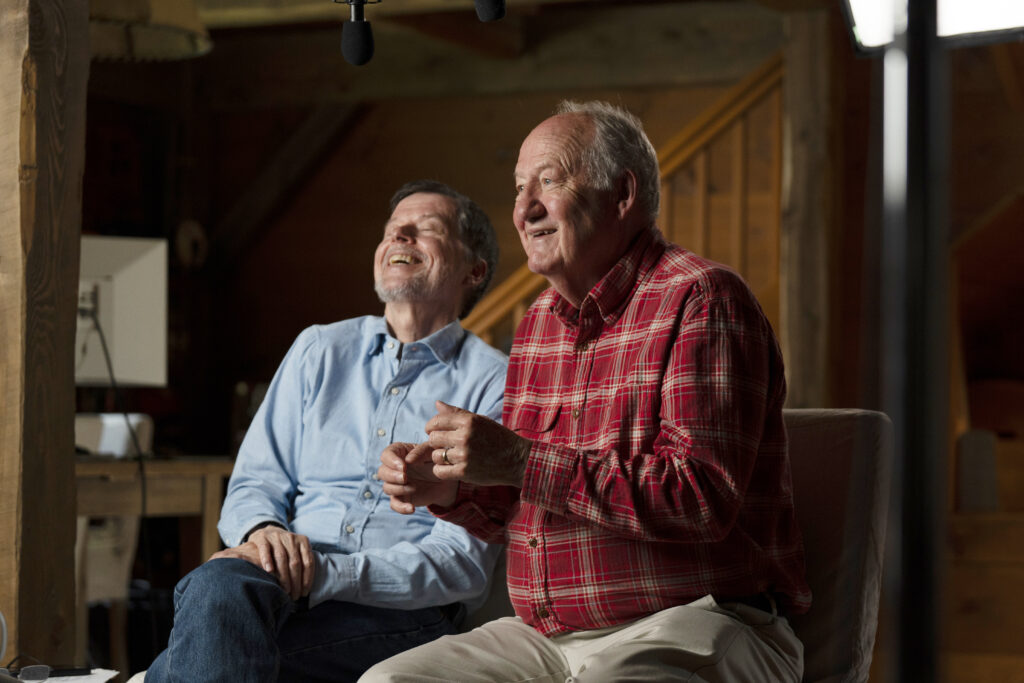
In our films, we try our best to immerse viewers in the historical moment, as we tell American stories through narration, interviews, first-person quotes, photographs and live cinematography. Tauck physically takes people to the same places, then augments the experience with experts and guides who relate the stories behind those places. In both cases, the goal is to go deeper, to be accurate, and to use compelling story-telling instead of didactic exposition to bring history alive for the viewer/traveler.
As we began work designing the earlier tours, we also learned that the Tauck team brings the same dedication to a self-imposed high standard of excellence that we bring to our films. As an added bonus, they’re fun to work with. Like Ken and me, they clearly love what they’re doing. It’s been a terrific collaboration, and we always enjoy coming up with new ideas for more tours.
There’s a time of year when Alaska seems to come alive in an entirely different way. Energy is higher, adventures last longer, and there’s an unmistakable excitement in the air. It all begins with the Midnight Sun.
From late May through late July, darkness barely makes an appearance across much of the state. Around the summer solstice, daylight stretches from 18 to nearly 24 hours in places like Anchorage, Juneau, and Fairbanks, giving travelers more time to explore rather than watch the clock.
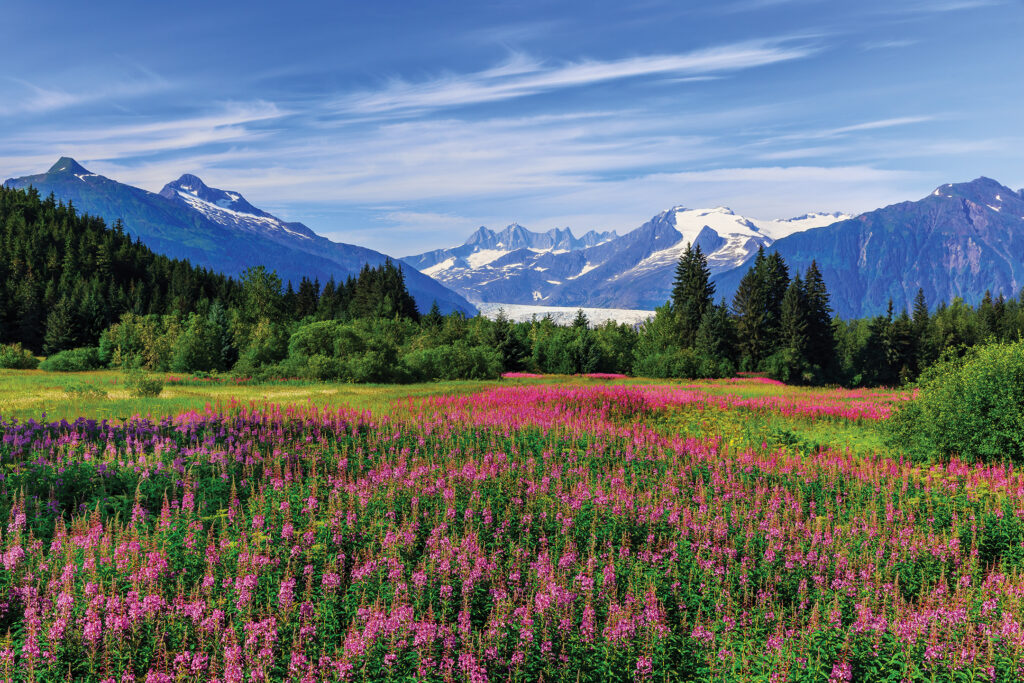
Evening hikes become late-night hikes. Cyclists and kayakers squeeze in one more adventure simply because they can. It’s not uncommon to see locals outside close to midnight, or restaurants bustling long after the evening hours have passed.
For Alaska Native communities, the season has long carried a deeper significance. The extended daylight helps warm the land, encouraging rapid plant growth and abundant harvests during the state’s short growing season. Summer becomes a time to gather, fish, preserve food, and prepare for the months ahead, making the Midnight Sun an essential part of life long before it became a visitor attraction.
Today, that appreciation is still celebrated across Alaska. Fairbanks hosts the annual Midnight Sun Festival each June, where live music, local artisans, street performers, and regional cuisine fill downtown beneath uninterrupted daylight. It’s a celebration not just of the summer solstice, but of a season that shapes Alaska’s culture and identity.
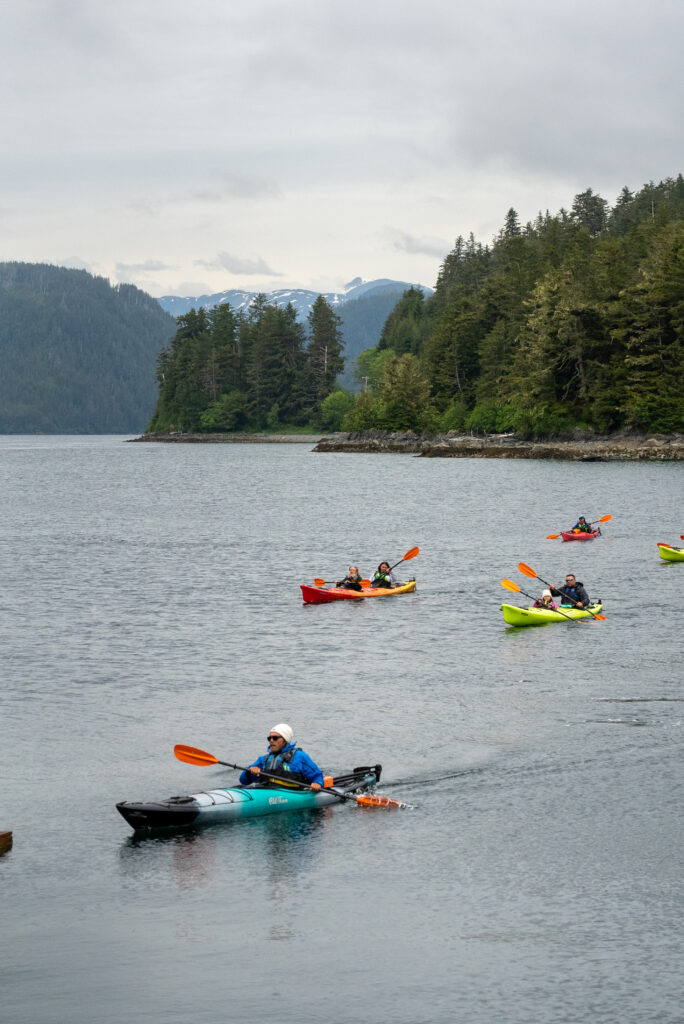
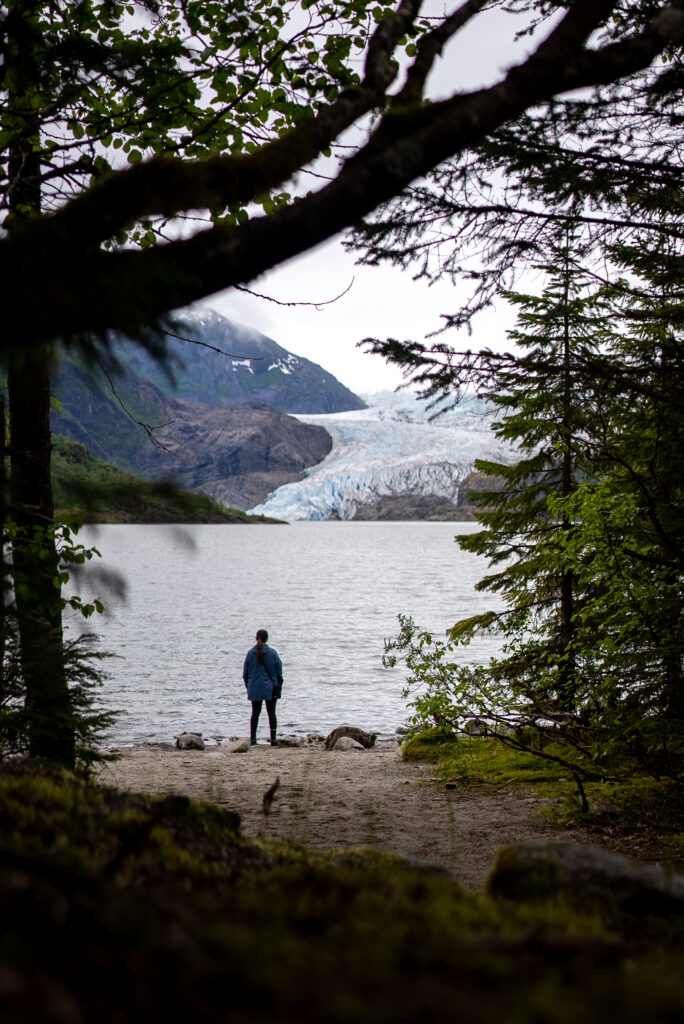
Experiencing the Midnight Sun is more than endless daylight. It’s about embracing a different rhythm of life – one where there always seems to be time for one more hike, one more wildlife sighting, or one more breathtaking view.
It’s one of those experiences that’s impossible to fully understand until you witness it yourself. It’s easy to see why Alaskans treasure this fleeting season and why visitors leave wondering how a day could feel so endless.
On Tauck’s Alaska’s Inside Passage, Alaska: Call of the Wild, and Alaska and the Yukon, you’ll experience this remarkable season firsthand. Cruise past towering glaciers, explore Denali National Park, meet sled dogs, and discover Alaska’s vast wilderness beneath skies that seem reluctant to grow dark. Whether you’re traveling with family, sailing the Inside Passage, or exploring by land, the Midnight Sun offers a side of Alaska that few places on Earth can match.
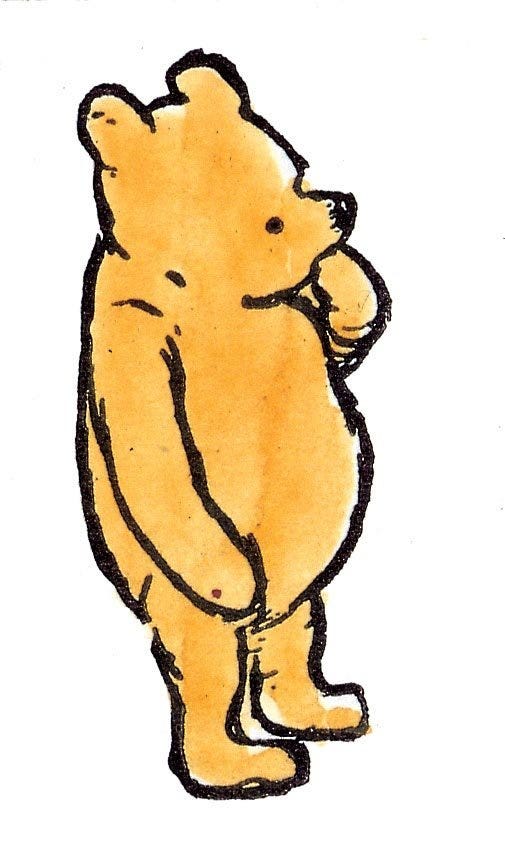
England’s prized stuffed animal turns 100 this year!
This summer in East Sussex, where the stories take place, there are a series of free events, performances, and celebrations taking place in the real-life Hundred Acre Wood – Ashdown Forest.
The forest itself is opening five new themed walking trails inspired by the local wildlife – now’s the time to explore this real-life storybook setting.
Not far from the big city, it’s the perfect day trip on any of our itineraries that visit London.
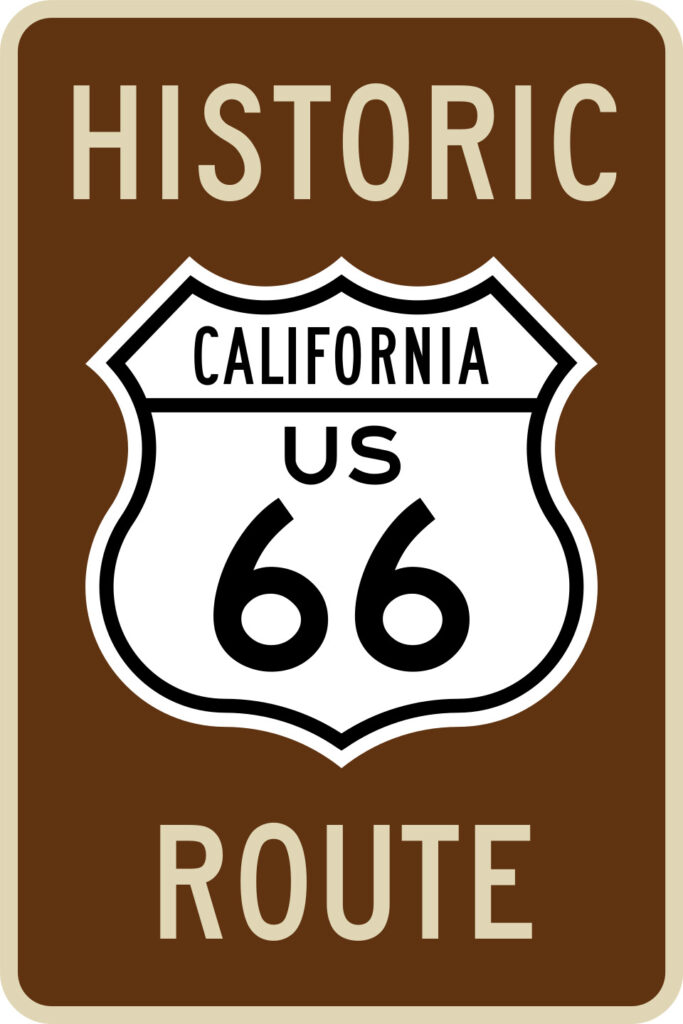
Spanning from Chicago to Santa Monica, celebrations are underway across all eight states that the route touches.
The “Mother Road” of migration, this road was designed to pass through hundreds of small towns, bringing business to local motels, diners, and roadside attractions. Over the decades, it has become a pop culture icon, inspiring songs, television and films – including Disney and Pixar’s Cars, which celebrates its 20th anniversary this year.
One hundred year later, thousands will gather to celebrate its historic and cultural accomplishments.
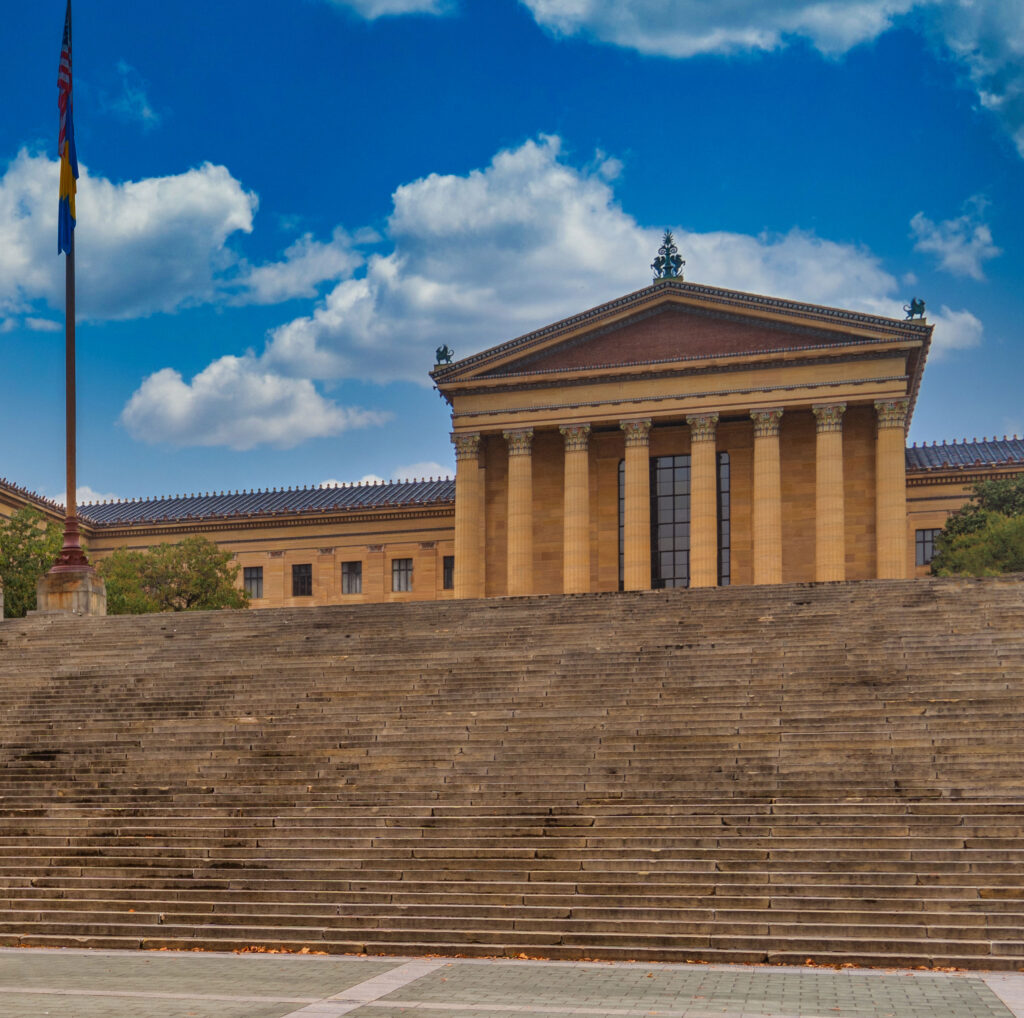
The iconic Rocky franchise is celebrating the 50th anniversary for its first installment. Philadelphia’s hosting celebrations at the Rocky Steps and other locations for the occasion. The film redefined sports drama, resonating with millions of viewers, and continues to serve as a reminder that hard work is an achievement of its own.
You’re not going to believe which iconic songs will reach their 5th decade this year.
Go ahead and give some of them a listen.
After an unforgettable month of world-class football across North America, the 2026 FIFA World Cup has crowned Spain as its champion.
From Scotland’s fans “taking over” Boston and leaving pubs without beer to international visitors embracing ranch dressing, this year’s tournament created moments that will be talked about for years to come.
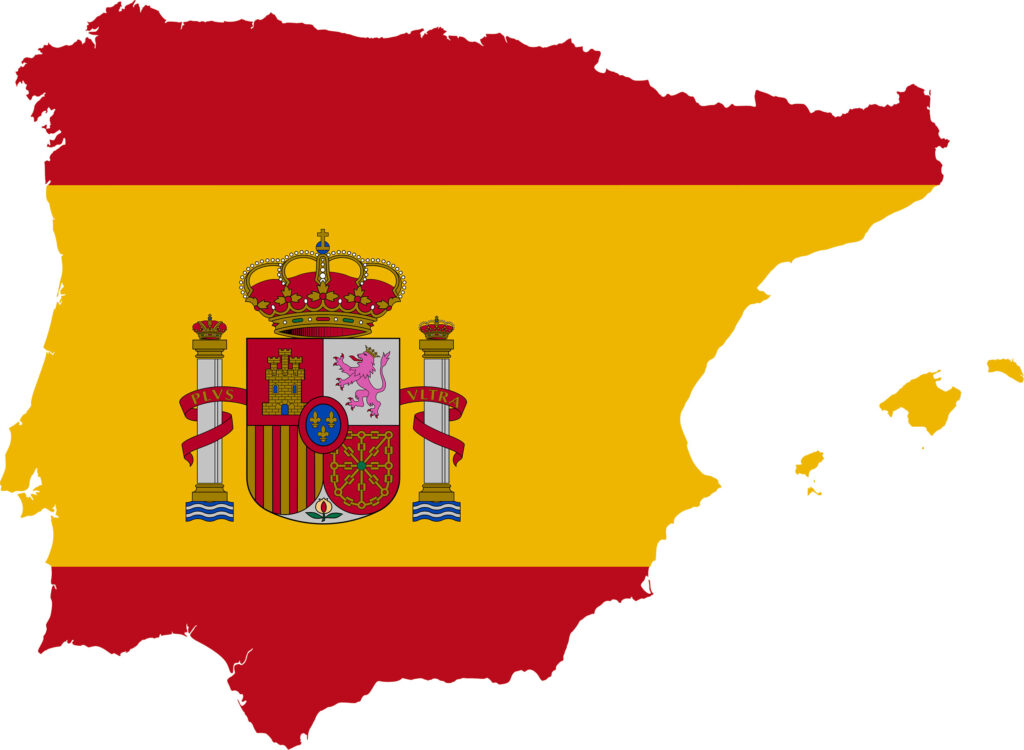
Ready to experience the home of the champions? View our complete collection of Spain journeys here.
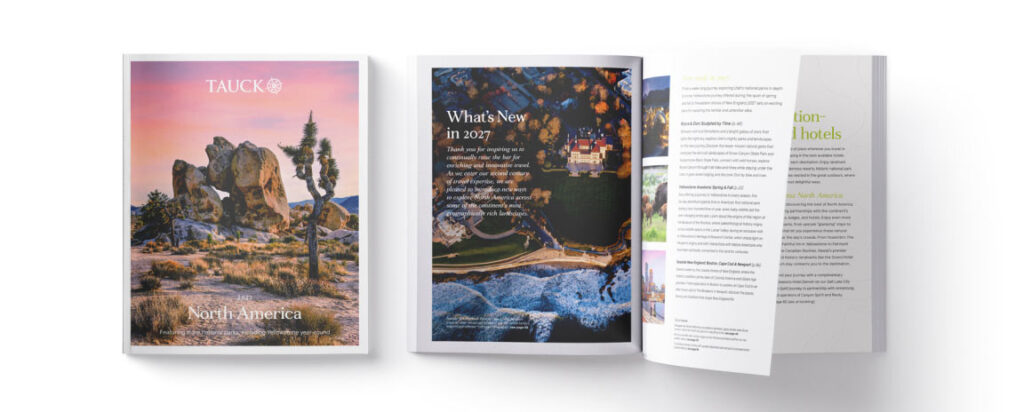
2027 is closer than it seems, and with space filling every day, now is the time to start planning the journey you’ve been waiting for. Ready to start checking off those bucket-list destinations?
Request your free 2027 brochures today →

After years of inspiring us through his adventures, our humble reporter bids adieu in his final message Into the Sunset. If you feel like taking another trip with Colin, there are over 200 stories to catch up on.
The post Happy Birthday America appeared first on The Taucker Travel Blog.