Literary travel is having its moment and we couldn’t be happier. A recent New York Times feature explored the growing appeal of “book-cations,” reading retreats and journeys inspired by the places and stories found in favorite books. For those of us who have always felt that books and travel belong together, it is a trend that feels less new than long overdue.
Published in the UK on June 5 and arriving in the United States on August 30, 2026, Rachael Martin’s new book, The Book Lover’s Guide to Venice, captures exactly what makes this way of traveling so rewarding. As Julia della Croce writes in the foreword, this is “a guide to Venice that is unique among travel books. In its pages, the reader can see Venice through the prism of great writers to experience its wonders not only through their words, but also through their imaginations.” For a city like Venice, which has always inspired writers, dreamers and curious travelers, it’s a beautiful way for readers and travelers alike to see the city through their lives and words.
Rachael is a writer, travel journalist and avid reader who has made northern Italy her home for nearly 30 years and now lives near Lake Como. She writes about Italian travel, culture, food, art and fashion history and is also the author of The Fashion Lover’s Guide to Milan and Walking Italy. We were delighted to speak with her about the women writers whose stories deserve a larger place in Venice’s literary history, why the city is best experienced slowly and the books that can carry us there even when a trip is not yet on the calendar.
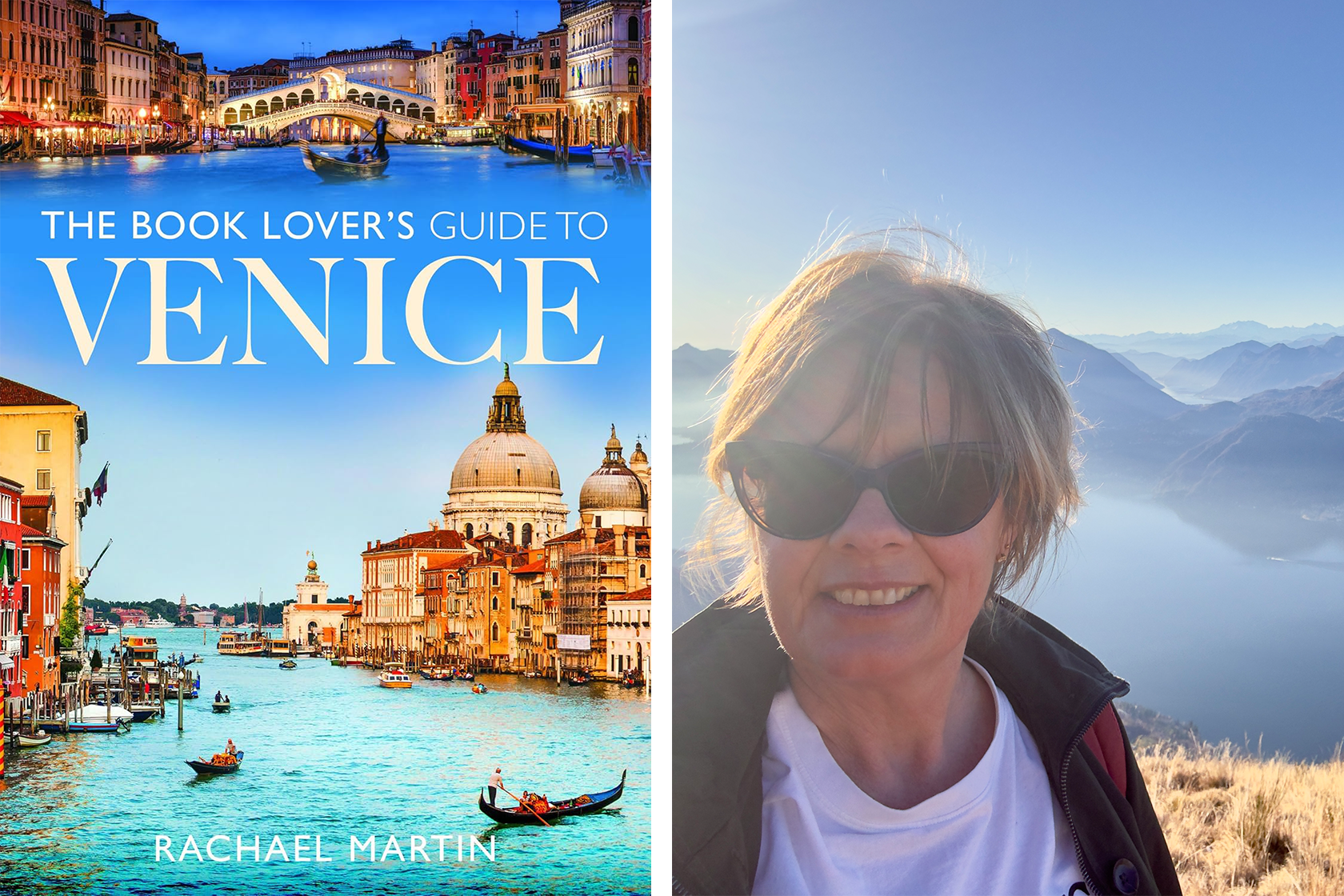
I knew that writers had always been attracted to Venice, and that for writers from other countries it offered a certain kind of freedom from the constraints that society back in their home countries put on them. What became clear as I started reading about it and researching it all is that there was a lot of emphasis on male writers. Women writers were either mentioned briefly or totally missed out. They were the ones where I often just thought of women writers I admired and researched whether they’d been to Venice or not, found where they’d written about it and so on. One of the main things that I think my books about Italy share is that I get the chance to write the stories and lives of women, and give them the space they fully deserve alongside the men.
I think literary travel can give the reader a lot. The books transport you to a different place, in this case Venice, and then you get the chance to go see the places where the story takes place or where the writer lived. One thing I do in every book I write is make sure that you can still enjoy it even if you’re not planning to go there. That’s always in my head, bringing the place to readers in the comfort of their own homes, and then if they can visit that’s a bonus but not essential.
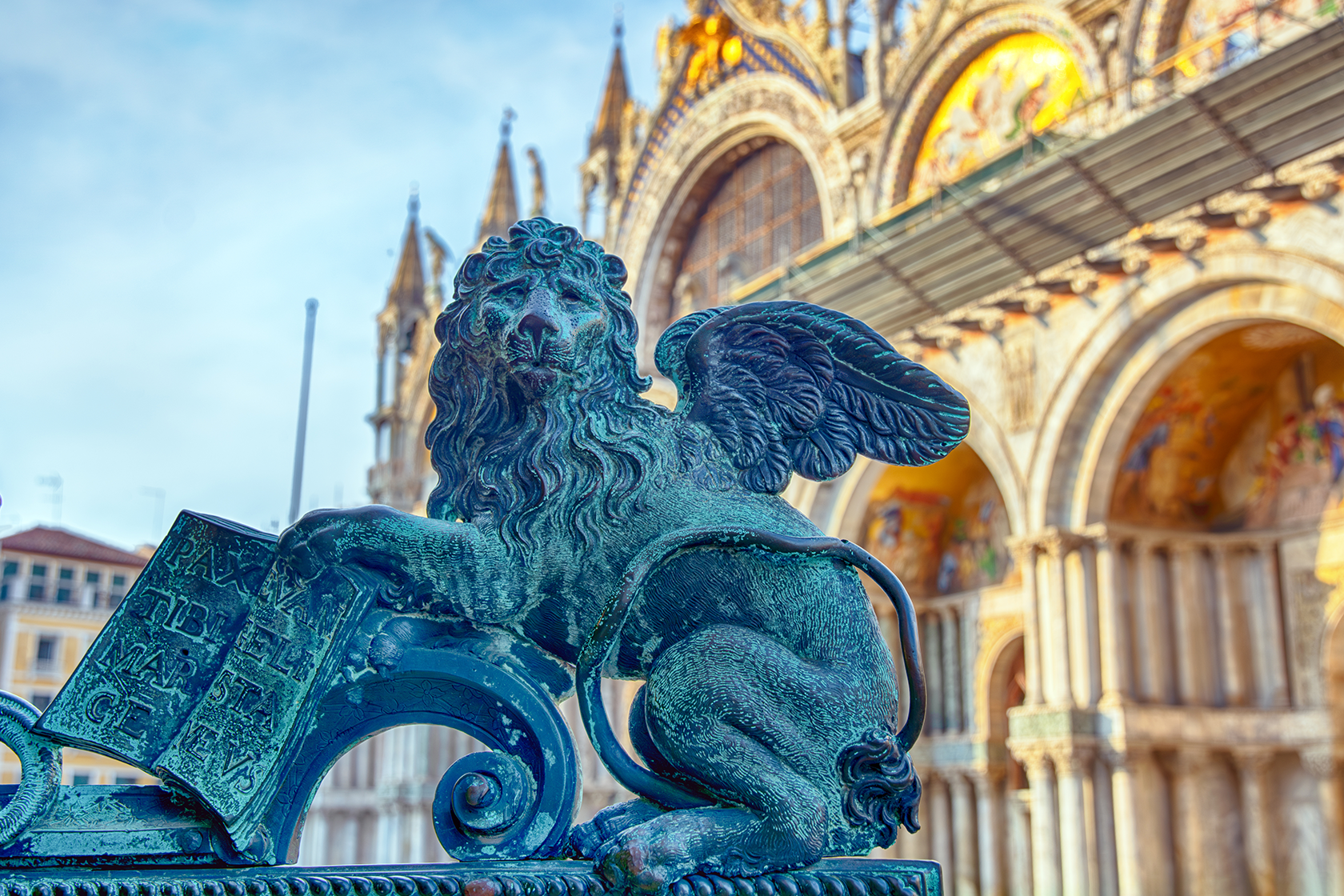
Yes, there are Venetian women writers such as Veronica Franco and Moderata Fonte who lived during the fifteenth and sixteenth centuries whose lives are fascinating. They lived during the Venetian Republic, which of course all ended when Napoleon invaded at the beginning of the nineteenth century. But also, writers such as Patricia Highsmith, Nancy Mitford, and George Eliot who spent her honeymoon there. We don’t know that much about what happened as she never writes about it, but we can read Dinitia Smith’s The Honeymoon and imagine. I was fascinated by the lives of Lord Byron and Giacomo Casanova, and generally by all the scandals that went on, but also by Mary Shelley’s experience of Venice. I won’t give it away but it’s the typical tale of a woman having a really difficult time, and hers isn’t the only story like that. Also, the writers who went there during the 1930s, the ones who alongside artists and intellectuals and members of the aristocracy were known as the Bright Young Things. So you have this wild party atmosphere against the backdrop of the rise of fascism and the advent of war. Then of course they all had to leave.
Something that meant a lot to me personally, shall we say, was getting Sylvia Pankhurst in there. Her pamphlets were so influential for the suffragette movement. I loved thinking of her there in Venice. I like to think of all these women writers there in my book alongside the men, and often taking centre stage. Also, because Italy can be a very patriarchal society as anyone who’s lived here for a while knows. Probably especially because of that. The women were there too, and here they are in my book, getting the attention they deserve. There are also writers in there that you quite easily might not have heard of, and of course all the usual favourites such as Ernest Hemingway, Byron, Shelley and so on.
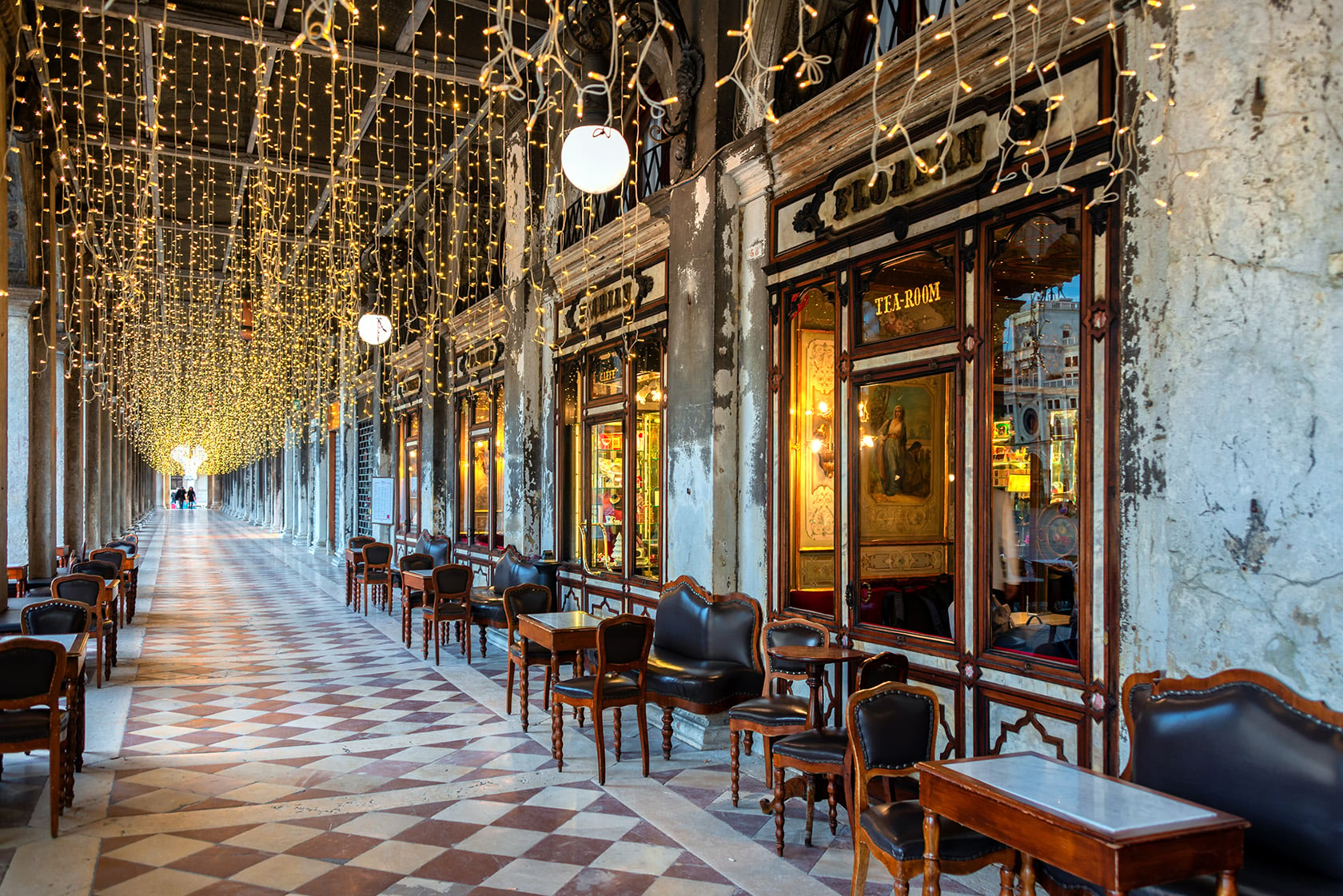
It’s quieter. It sounds obvious but we all know that Venice has a massive problem with overtourism, and anyone who visits during the tourist season will tell you that. At one time, and not so long ago, this wasn’t the case at all and if you visited Venice you were really able to live the city alongside the locals. I think you need mental space to read my book and imagine the lives of the writers in there. You can’t do that when you’re surrounded by huge crowds and mass tourism. It just doesn’t have the same effect, but I’d say that of any other Italian city too. I think we have to embrace a slower way of exploring, and this applies to anywhere you go in Italy. There’s a lot to be said for visiting a place and staying there and really getting to know it. Not only are you giving something back in economic terms to the place that you’re visiting, but you can’t really get a feel for a place if you’re rushing round the country and ticking off places. I fully understand that some people come to Italy and it really is a once in a lifetime visit. I get that, but maybe come during the quieter months? And it would still give you a chance to get a feel for a place. Because that’s what travel in my book is all about. Sitting in the cafes, watching what’s going in, trying to understand what’s happening around you and what it tells you about both place and culture. Interacting with a place. Learning about it, eating its food, drinking the wine, finding out what makes up a place, its history and so on.
Venice is complicated for so many reasons. I don’t know what the answers are but I think if you take a place away from its people and they’re not able to live there anymore, you’re taking away its soul. We have to create a more sustainable and more responsible form of tourism all over Italy, and not just in Venice. Personally, what I love to see is when young people take over places, whether it’s a mountain refuge or an agriturismo, restaurant, cafe, whatever, and they run it because they believe in it. We need young people to be involved. We also need to give young people incentives to be involved. They’re the ones who are going to lead it all into the future. Also, there’s this whole making everything luxury that’s going on to incite wealthy clients. Okay, I understand that too but don’t take places away from others who want to go there, and especially don’t take places away from the local people. Let people in who really care, and give them the opportunities and keep it local.
As far as novels are concerned, a book that immediately springs to mind is Tracy Chevalier’s The Glassmaker because I love how she takes you through the centuries and brings the history of Venice to life. Also, Sarah Dunant’s In the Company of the Courtesan. Venice was famous for its courtesans, and this book really gives you an insight into this world. I very much enjoyed Andrea di Robilant’s books, Lucia: A Venetian Life in the Age of Napoleon and A Venetian Affair: A True Tale of Forbidden Love in Eighteenth Century. I think historical novels have such a central role in taking you to a place and teaching you something about the history as you read. Also, Lady Montagu’s letters. She’s so funny and so honest. She went off to Venice on her own and left her husband back in England in her fifties. It’s like the classic midlife crisis Venetian style. All the young English nobles used to go visit her when they went to Venice and they used to bore her to tears. Oh, and Henry James of course, both his collection of essays Italian Hours and his novella The Aspern Papers. Obviously, many more spring to mind, and of course you can find them all in the book.
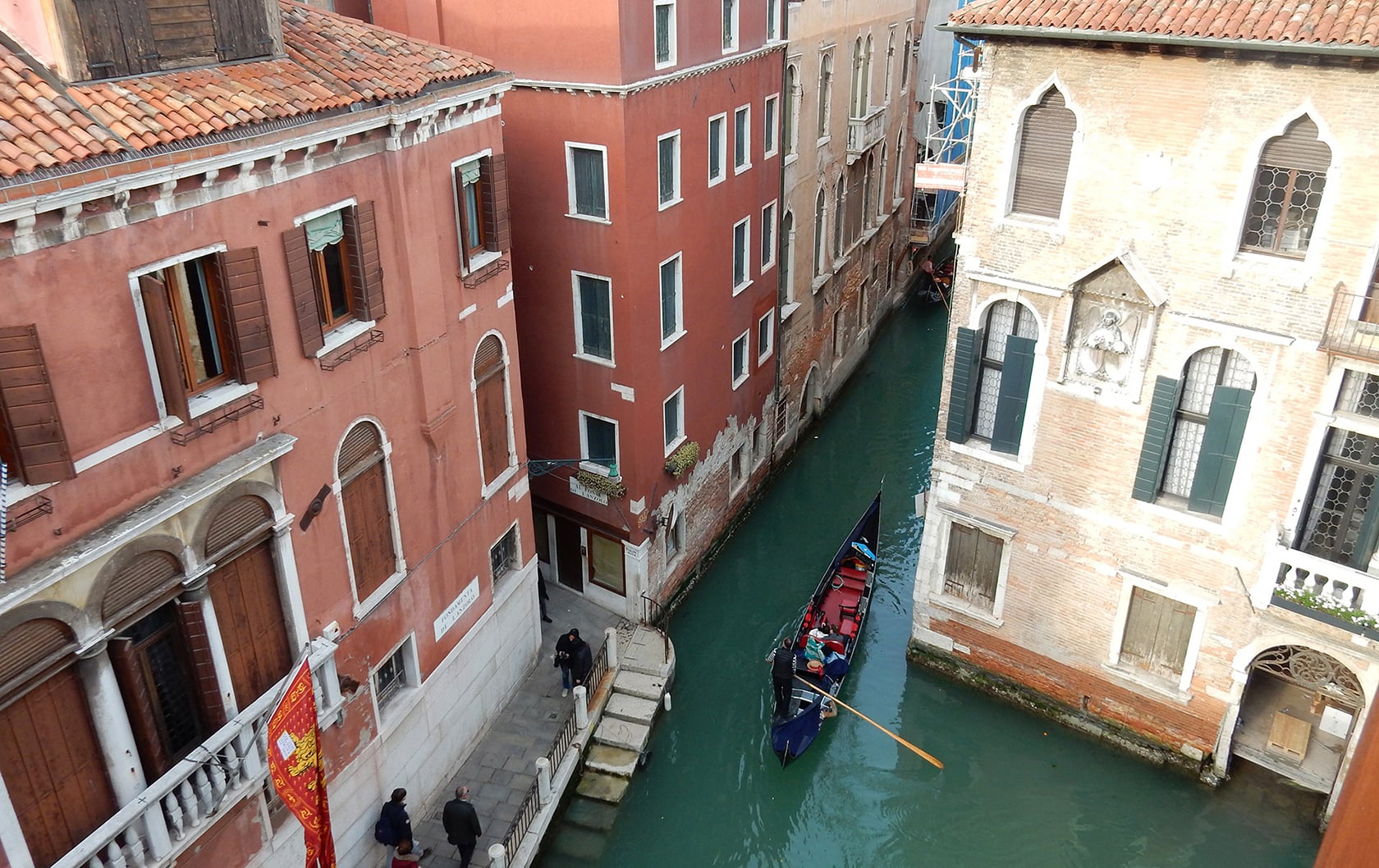
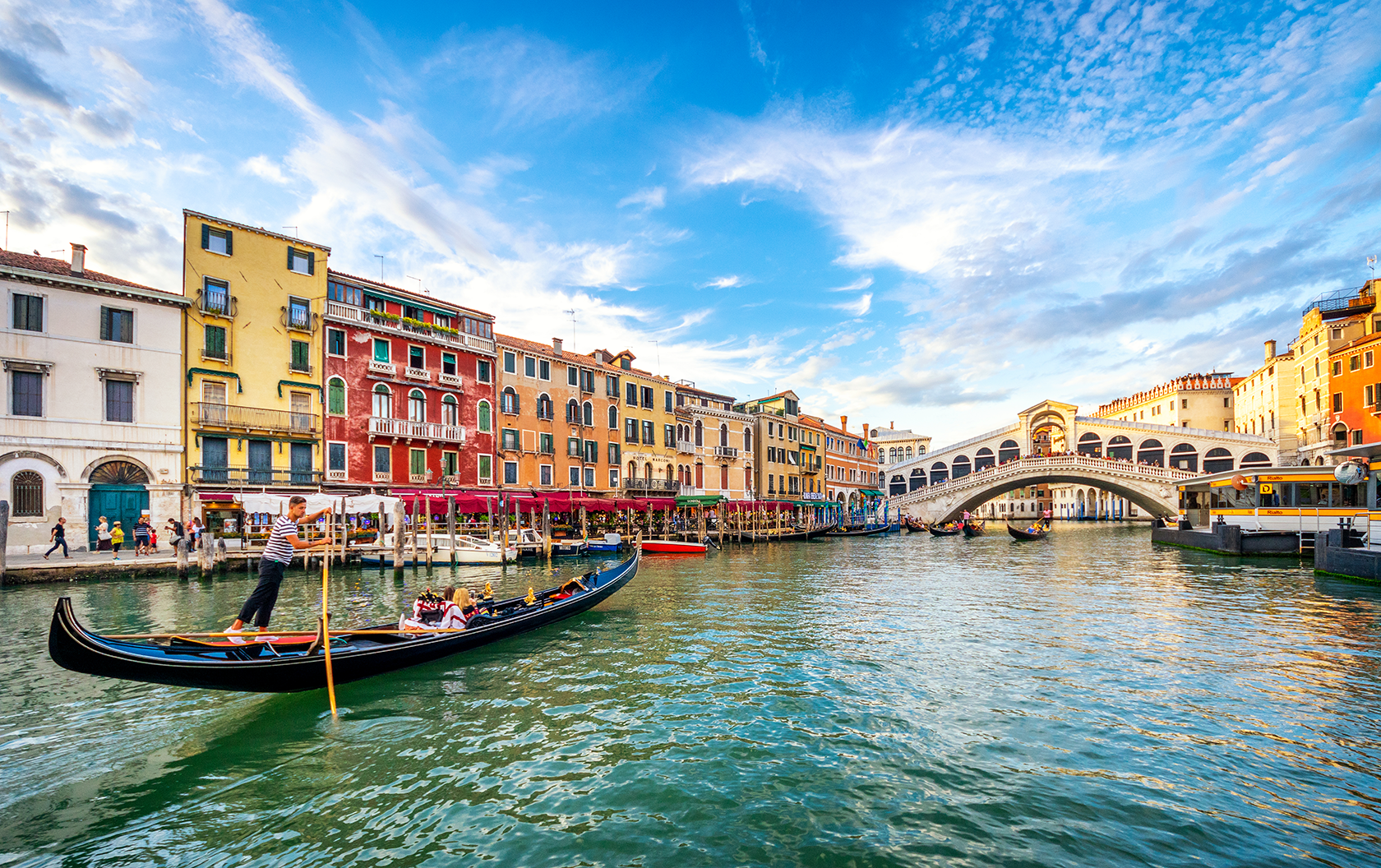
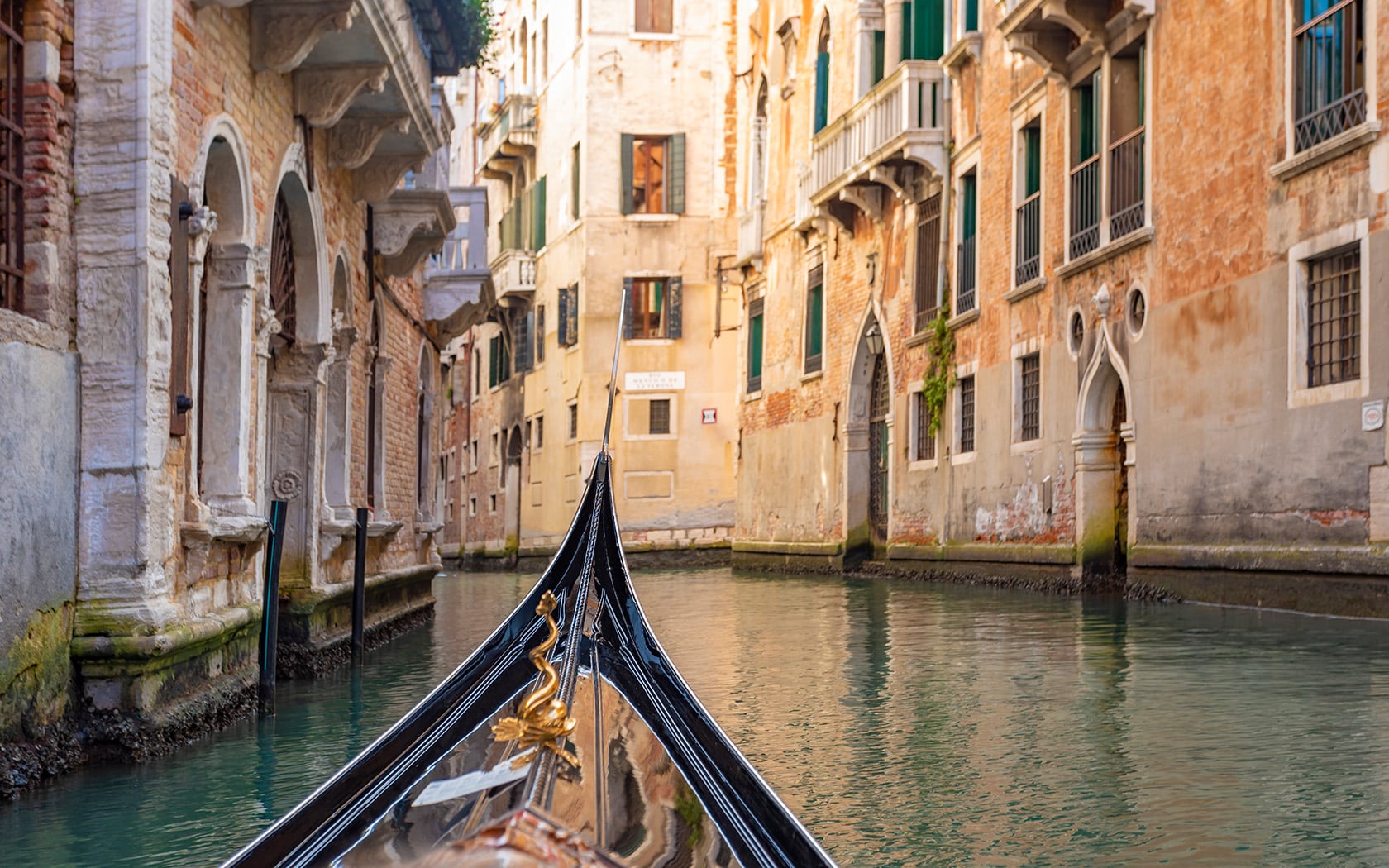
Watch gondolas glide by from our beautiful Serenata vacation rental in Venice.
Our thanks to Rachael for sharing her time, her passion for Venice and so much inspiration for experiencing the city in a deeper way. If you’re in the US, pre-order a copy of The Book Lovers Guide to Venice now. When you’re ready to follow Venice’s literary trails for yourself, our Venice vacation rentals are the perfect place to settle in with a good book before setting out on your own book-inspired walks through the city.
The post A Book Lover’s Venice with Rachael Martin appeared first on Italy Perfect Travel Blog.