I’ve been camping for more than 30 years, running this blog for twelve of them, and I’ve camped in the height of summer in the Caribbean – 32°C with brutal humidity and nowhere to hide. I draw on that experience, and the questions I get asked most often, to answer everything you need to know about camping in hot weather.
Yes, absolutely, but it takes a bit of planning. The risks of camping in very hot weather are real (high humidity, heat exhaustion, dehydration), but they’re all manageable.
The key is not to treat a heatwave like a normal camping weekend. You need to think differently about when you’re active, how you sleep, and what gear you take. Done right, summer camping in the UK can be genuinely glorious, but it’s not the moment to wing it.
From suitable clothing and sun protection to creating shaded areas and maintaining a supply of cold drinks, summer camping is one thing, but heatwave camping can be far more challenging, so the key is to be prepared.
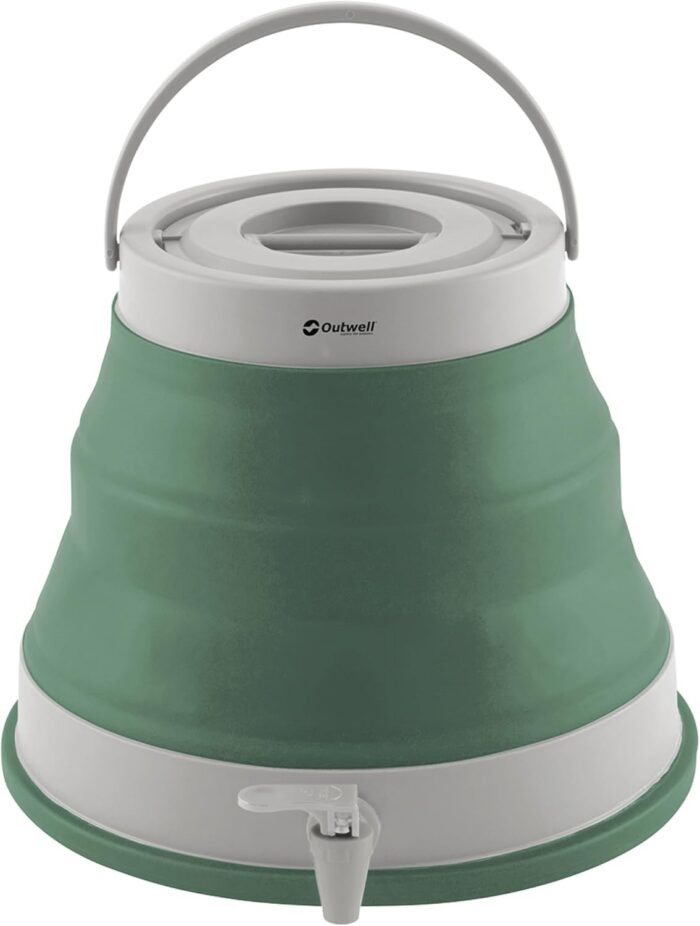
Outwell Collaps Water Carrier
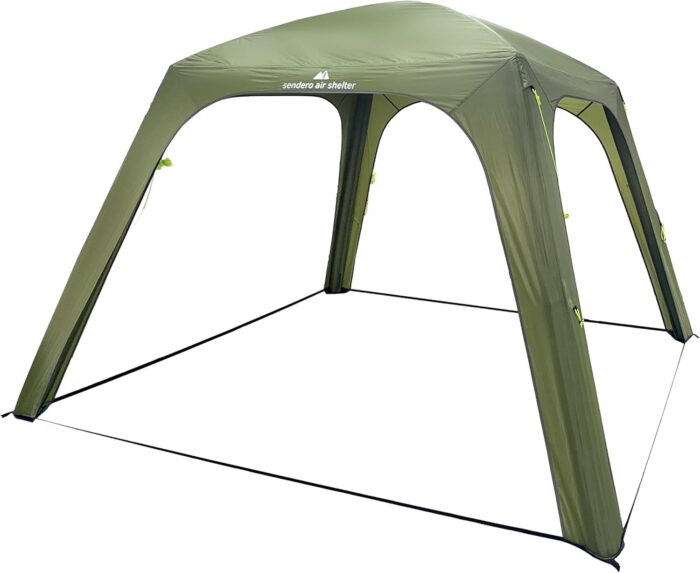
Eurohike Sendero Air Shelter, Quick Pitch
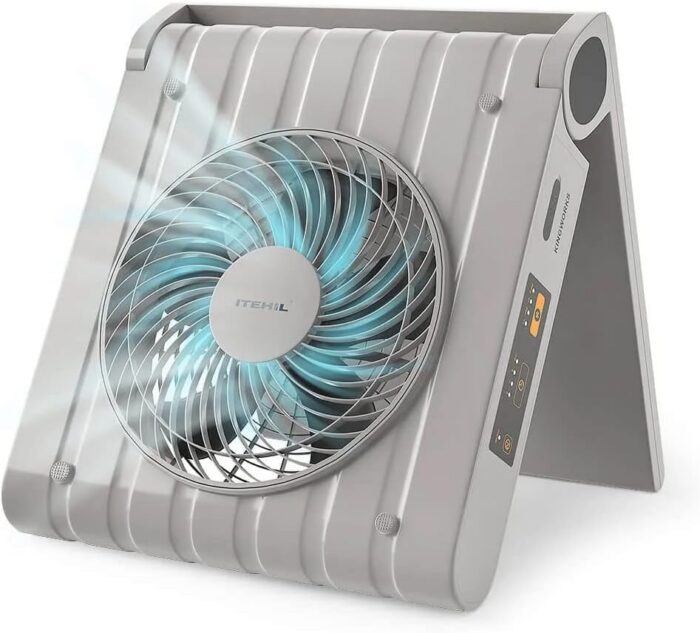
ITEHIL Portable Solar Electric Fan, 10000mAh
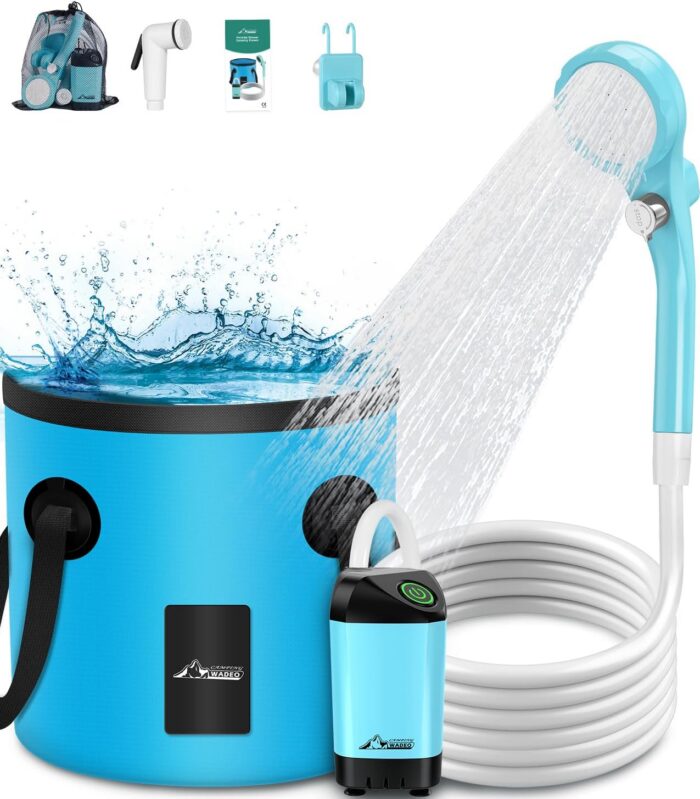
WADEO Portable Camping Shower
Ventilation is your best friend here and you may not be doing it right. Open every zip, vent, door and window during the day, even the ones you’d normally leave closed for privacy. The bug mesh will keep out the pesky flies and bitey things, but if you want a proper through-draft, you need fully open access rather than just the mesh.
If possible, pitch so your entrance faces the prevailing breeze rather than just wherever looks flat. It’s one of those things that’s obvious in hindsight but most of us never think about until we’re baking hot.
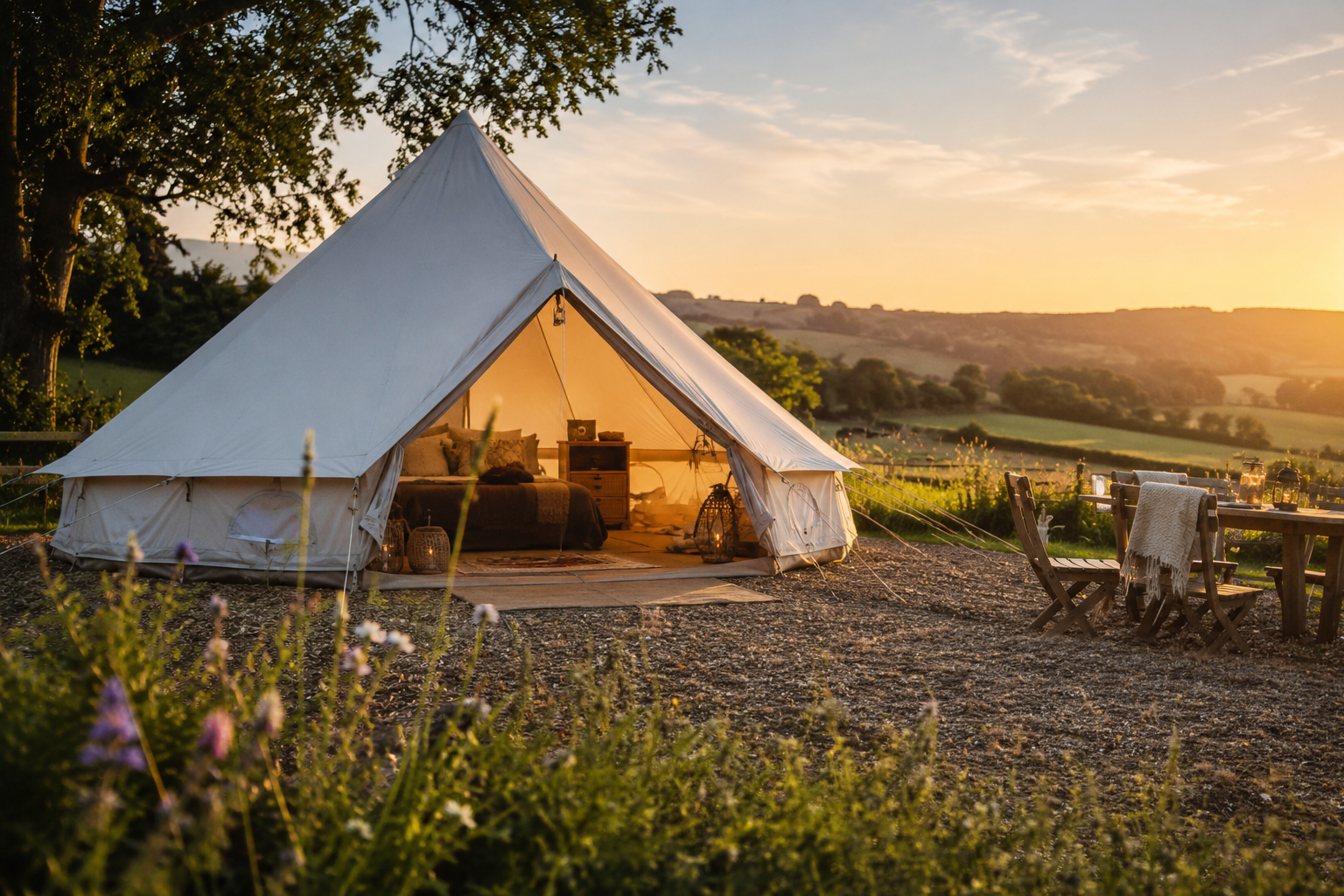
Canvas tents handle heat better than synthetic ones because the fabric is breathable, which helps regulate the temperature inside. Bell tents are a popular choice for this reason and they tend to have more headroom too, which means warm air has somewhere to go.
If you’ve got a modern family tent with a separate flysheet, try removing it during the day to leave just the mesh inner exposed. More airflow means a dramatically cooler tent.
Check out our detailed guide to bell tents or see our bell tent reviews here.
A few things make a real difference. First, ditch the sleeping bag, either leave it behind entirely or use a lightweight summer version you can unzip fully and use as a duvet.
Second, think about what you’re sleeping on as well as what you’re sleeping in: thick foam mats trap heat underneath you, which is the last thing you need. A thinner mat or a canvas folding camp bed, may be better and sleeping on top of a plastic airbed is best avoided – trust me on that.
A bamboo or cotton sleeping bag liner is much better than synthetic, it wicks moisture and actually feels cool against your skin. And if it’s still above 20°C at midnight, sleep on top of the bag with the liner as your only cover.
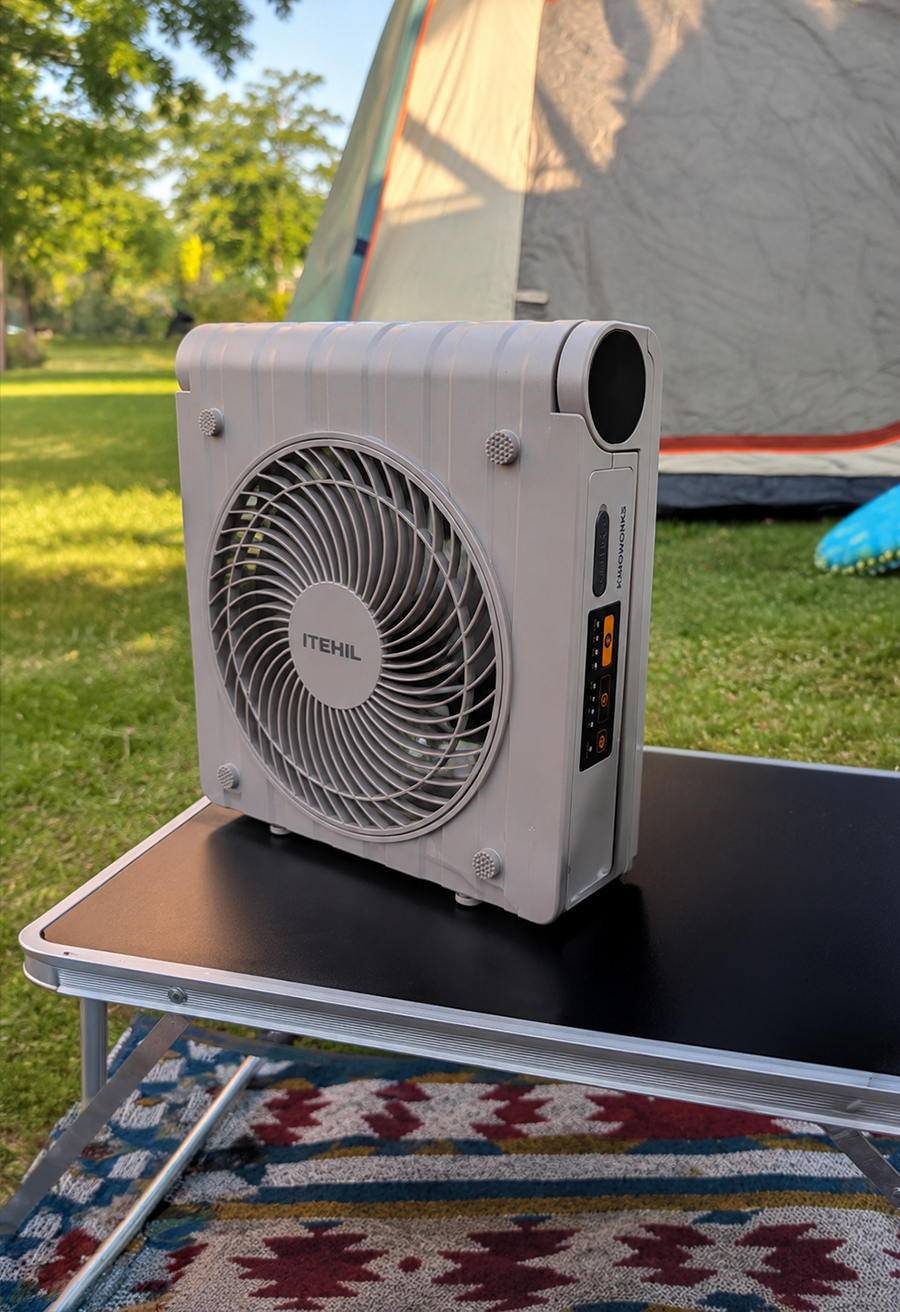
Camping fans designed to be portable work really well, even the small handheld ones. I was sceptical until I used one in Antigua at 32°C and it genuinely made sleep possible (just abouve). For solo use or kids, a small USB rechargeable fan is brilliant – compact, quiet, and you can clip them to a tent pole or sleeping bag loop.
If you’ve got a larger tent or several people, it’s worth investing in something with a bit more oomph, a solar-rechargeable fan like the Itehil (above) is excellent for this. The trick is to combine the fan with other cooling methods rather than relying on it alone.
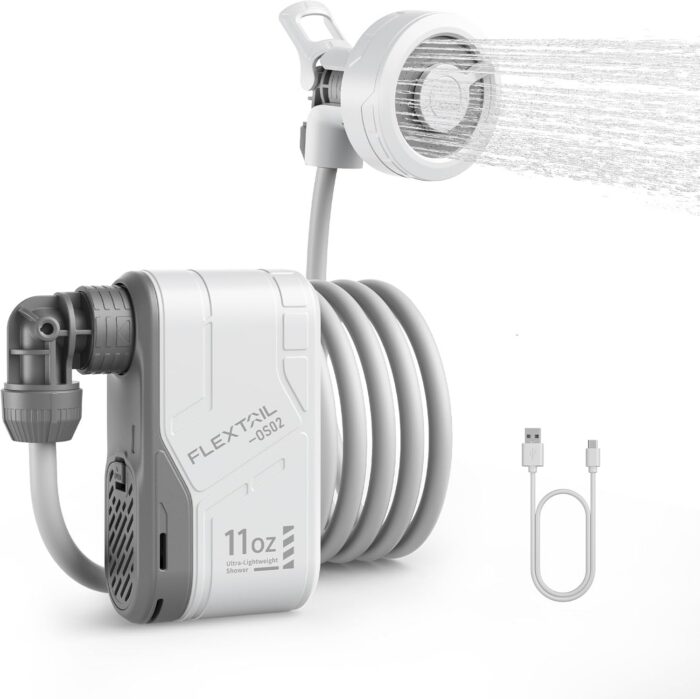
FLEXTAILGEAR Portable Electric Shower
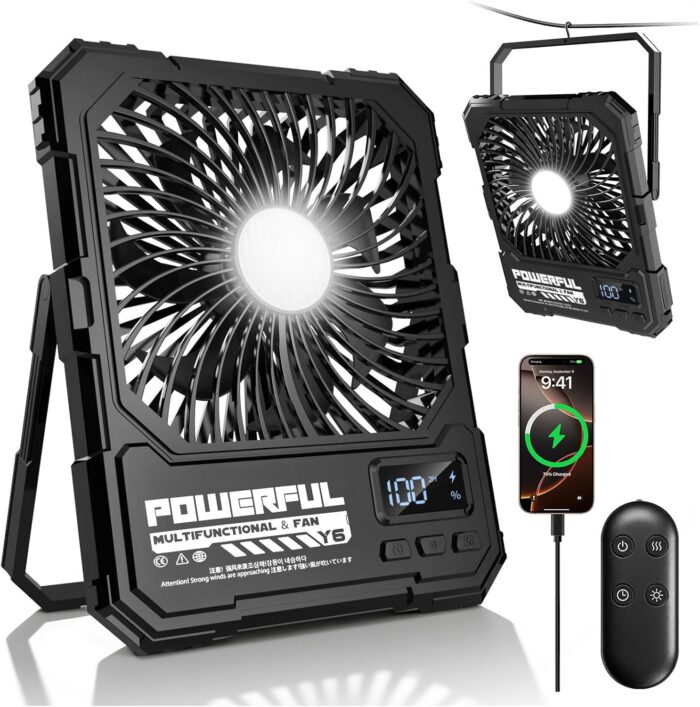
20000mAh Rechargeable Camping Fan, Ultra-Slim
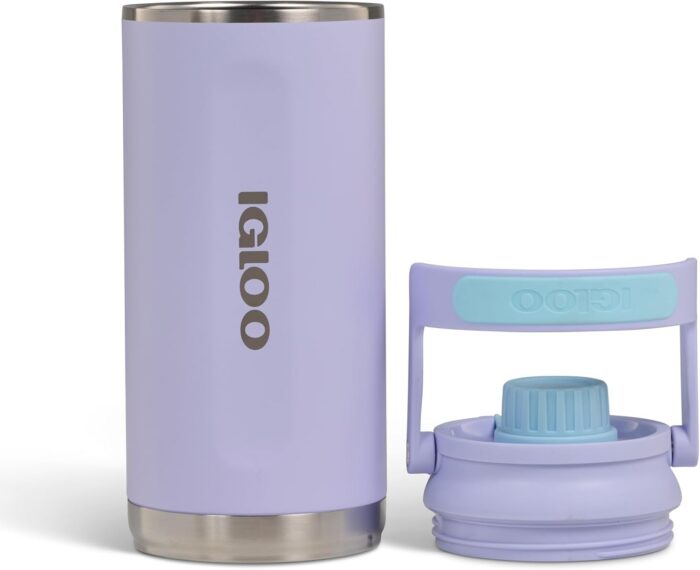
IGLOO Chug 36 Insulated Water Bottle
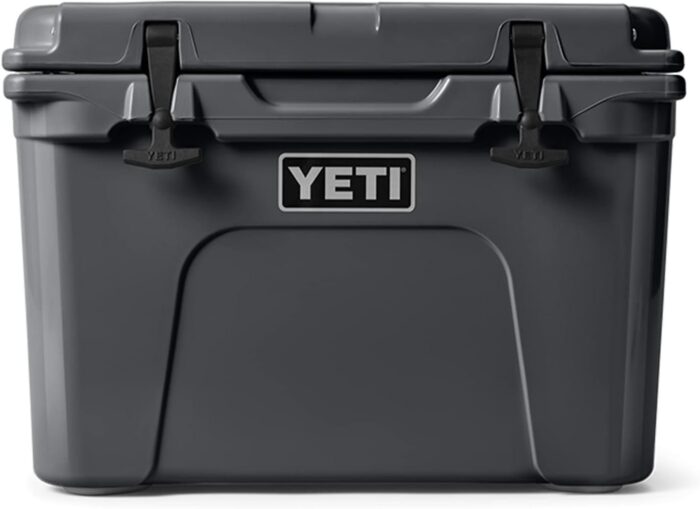
YETI Tundra 35 Cool Box
Hydration is everything. You should be drinking around three litres of water a day in hot weather and more if you’re active – and don’t wait until you feel thirsty, because by then you’re already behind. A good insulated water bottle or tumbler is genuinely worth the investment; keeping your drink cold makes you far more likely to drink enough of it. Food-wise, lighter meals work better in the heat as nobody really wants to stand over a camping stove cooking a full roast when it’s 28°C, think pasta salads and ploughman’s picky lunches.
Simple salads, wraps and anything that doesn’t require much cooking time is your friend, but make sure anything that needs to stay cold actually does. A decent cool box is not optional in a heatwave – see our guide to the best camping cool boxes for recommendations to suit all budgets.
You need a good passive cool box and a solid icing and packing strategy. Pre-chill your cool box before you pack it, freeze what you can in advance (frozen water bottles work brilliantly as ice packs), and keep the box out of direct sunlight, ideally in the shade inside your tent’s porch rather than sitting in the sun all day.
Every time you open it, you lose cold air, so try to be organised about what you’re getting out rather than rummaging around and dipping in and out of it all day long.
A quality passive cooler will keep ice for up to five days, which makes a big difference over a long weekend. We’ve tested a lot of them – our full cool box round-up covers everything from budget options to the splurge-worthy ones.
Early morning or the couple of hours before sunset is really the only time to consider being active during a heatwave, and I say this as someone who has absolutely ignored this advice and ended up with heatstroke.
The hours between around 11am and 3pm during a heatwave are genuinely best spent doing as little as possible. Seek shade and chill out with a book, or go for a swim if there’s water nearby, but don’t head off on a big hike or bike ride! The light for photography is better in the early morning and evening anyway, and you’ll actually enjoy your walk rather than just surviving it.
The fastest method is a cold, damp cloth on your pulse points, think wrists, neck, behind the knees, inner elbows. These are the places where blood vessels sit close to the surface, so cooling them actually brings your core temperature down rather than just making you feel briefly less sweaty.
Whilst camping in a recent heatwave, I took a portable camp shower and a collapsible bucket. I kept the full bucket of water outside and connected to the camp shower and wore a bikini top and shorts, which allowed me to have several ‘showers’ throughout the day to make the experience manageable.
Pair that with a fan and some shade and you’ll feel human again pretty quickly. If there’s a stream, river, lake or lido anywhere nearby, get in it. Cold water is your friend!
With extra care, yes, but they need more attention than adults in the heat. Keep babies and toddlers out of direct sun entirely during the hottest part of the day, make sure they’re drinking regularly, and don’t underestimate how quickly a tent can heat up even with good ventilation.
A fan helps enormously if you’ve got young children. Dress them in loose, light cotton and use plenty of high-factor UV sun protection. If in doubt about whether it’s too hot, it probably is, and there’s no shame in heading home early or cancelling your trip entirely if the conditions aren’t safe for small people.
This is a tough one to answer because it depends on the type of glamping accommodation. Glamping accommodation varies widely, but is often small and generally built to retain warmth.
Consider too, if you’re glamping off-grid, your opportunities for adding a fan to your set up and keeping food and drinks cold will be impacted too. Generally the smaller the glamping accommodation, the warmer it’s likely to be, so before booking consider windows, doors and even window coverings.
Many glamping structures like shepherd’s huts, yurts and wooden cabins have thick insulated walls that regulate temperature much more effectively than a tent. Some high-end cabins might even have air conditioning, whilst many others will have portable fans available for guest use.
A badly positioned glamping unit with no shade and poor ventilation or lots of glass can be just as bad, if not worse than a tent. A bell tent pitched well in a shady spot can be more comfortable than a stuffy converted shipping container in a sun trap.
For more tips on hot weather camping, check out our feature on how to stay cool camping in a heatwave.
The post Your Questions Answered About Camping in Hot Weather appeared first on Camping Blog Camping with Style | Travel, Outdoors & Glamping Blog.