Read our 11 top camping tips for hot weather to help you stay cool under canvas on your summer camping trips or when you find yourself camping in the middle of a heatwave.
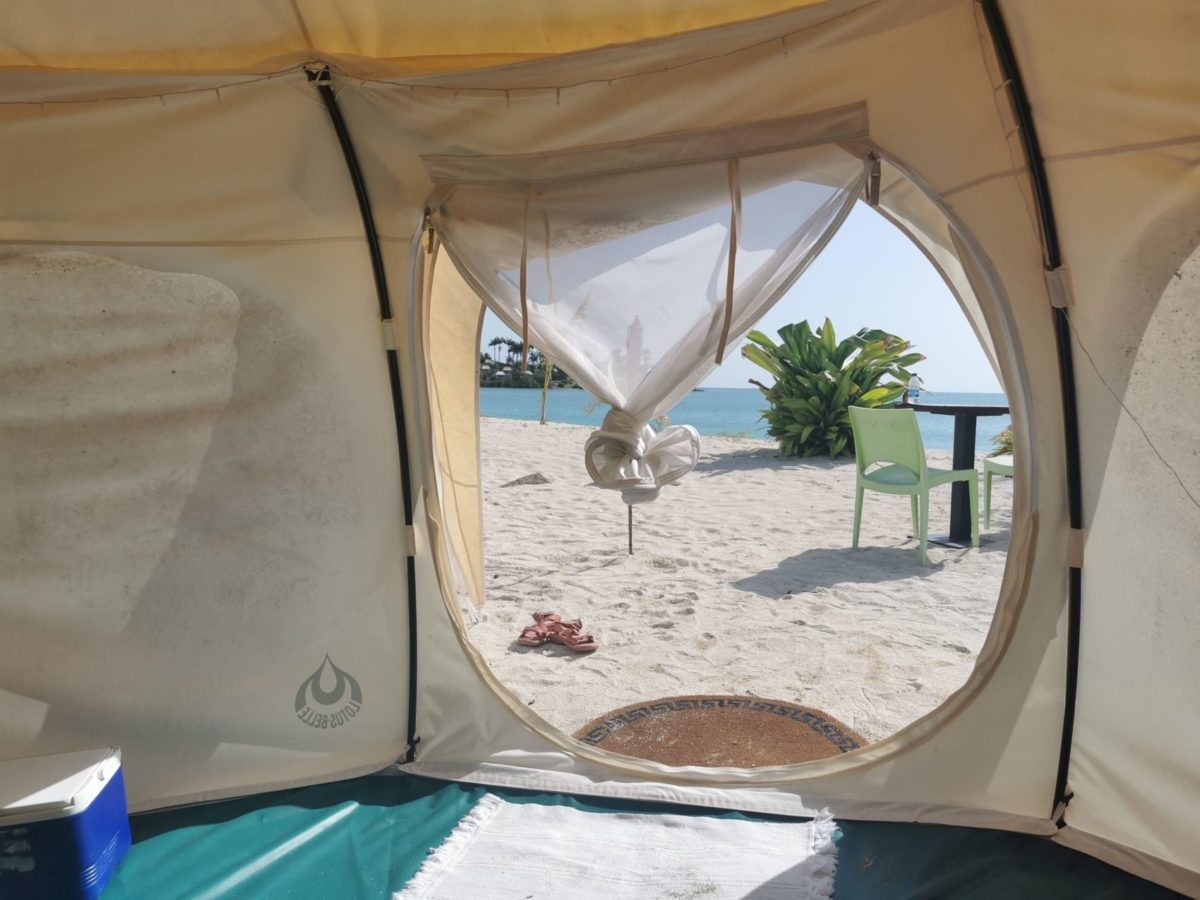
When I initially wrote this guide, we’d just returned from beautiful Caribbean island of Antigua, where we spent a glorious week camping in a canvas tent on the beach. It was a fantastic experience which you can read all about here, but as you might expect, it was exceptionally hot!
The humidity was brutal and with an average temperature of 32°C, when the sun went down, the temperate barely dropped, leaving us sweltering, even in the early hours of the morning.

This meant we had to quickly find new strategies to cope with the heat, having never before encountered temperatures like that whilst camping in the UK or Europe, and with another summer heatwave now upon us, we thought now would be a great time to update our tips, sharing 3 newer tips that we’ve since picked up.
Canvas tents are usually better at regulating the temperature inside than synthetic tents. Canvas is breathable which should help regulate temperatures more effectively and we’ve found that canvas tents do indeed feel cooler, particularly in the morning when the sun comes up.
If you have a large modern family tent, ensure all possible zips and vents are open to maximise airflow and if you have a smaller tent with two layers, during the day time, you may be able to remove the flysheet entirely leaving you with a mesh inner tent.
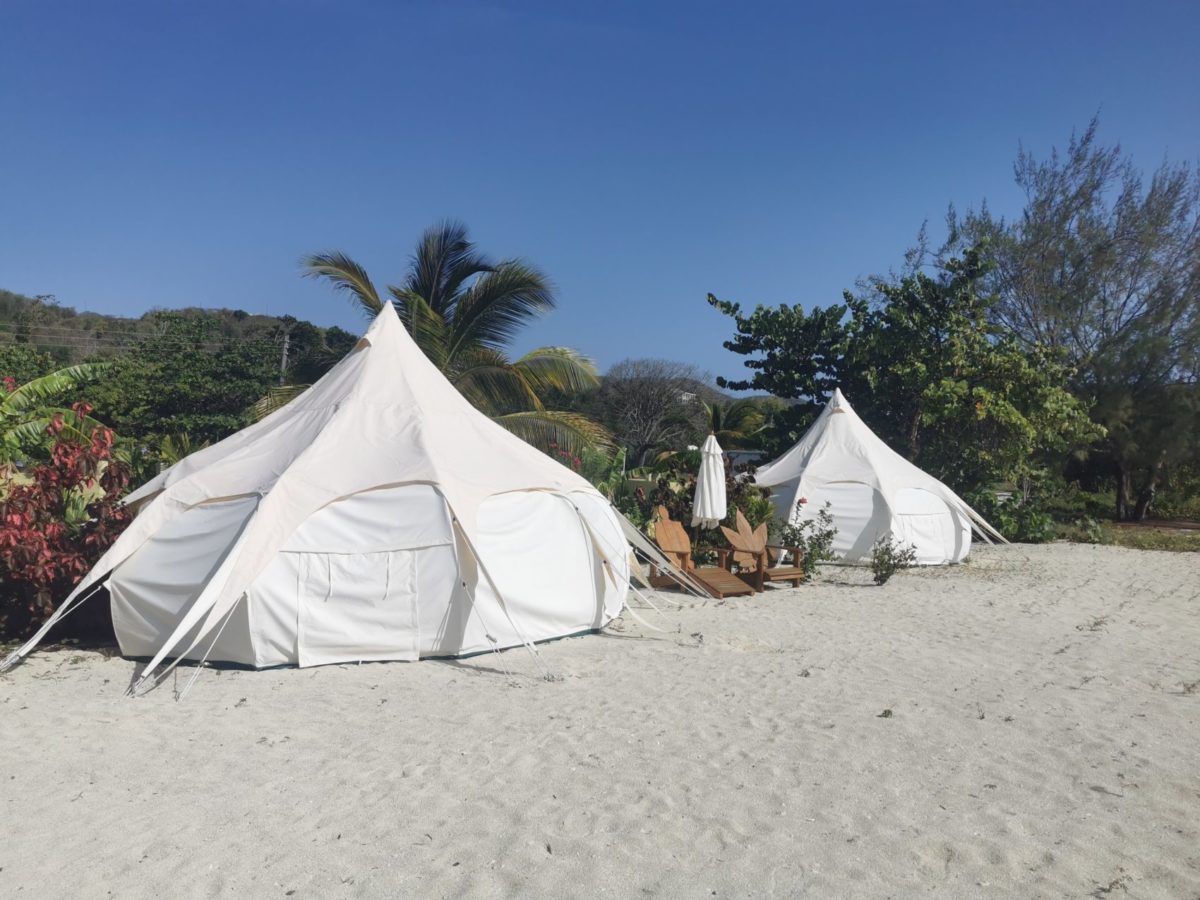
Check out our detailed tent buying guide Should I Buy A Canvas Bell Tent? The Ultimate Bell Tent Buying Guide
Ventilation is the single most effective thing you can do during the day when you’re not in your tent. Keep every zip, vent, window and door open — yes, including the ones you’d normally close for privacy. The bug mesh will help keep unwanted bitey and stingy things out, but it does still restrict airflow, so when you genuinely need to cool the tent down, open everything fully for at least 20-30 minutes to get a proper through-draft going.
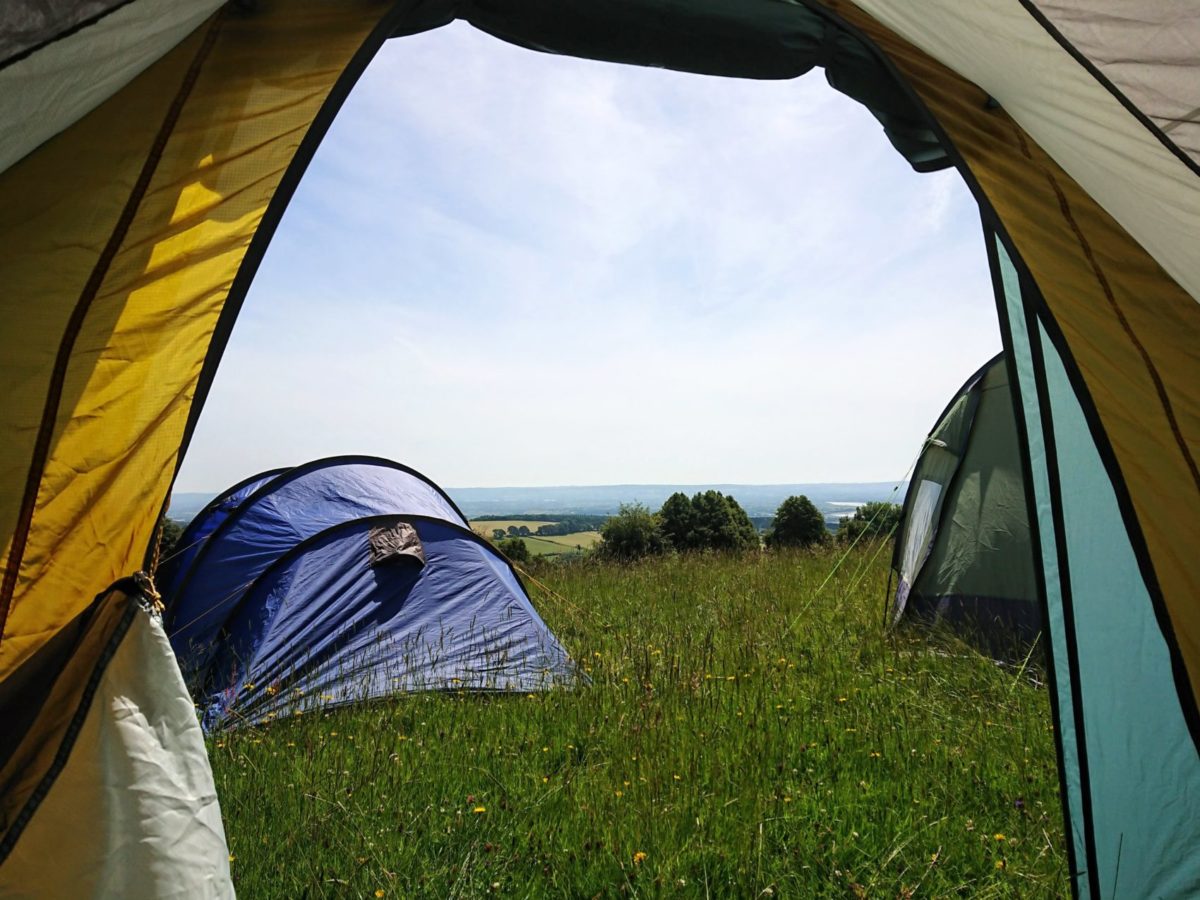
One tip we picked up in whilst glamping in Antigua, position the tent entrance to face the prevailing breeze before you pitch. It’s obvious in hindsight, but most of us just pitch wherever looks flat and shady. A tent that catches the wind is so much more comfortable than one sitting in a windless sun trap.
Don’t underestimate the cooling ability of even a relatively modest hand-held fan. Our favourite is the small, but mighty Ocube USB rechargeable fan available on Amazon for around £15 and worth every penny. We bought ours 3 years ago and still use them a lot.
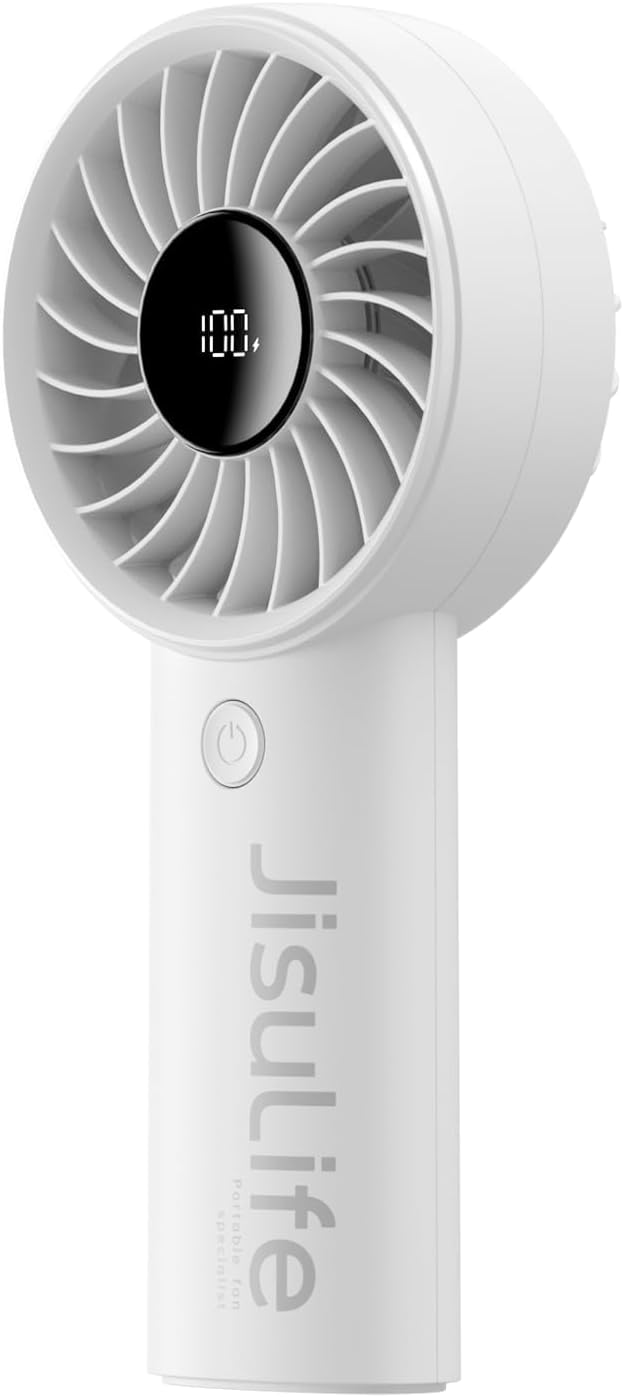
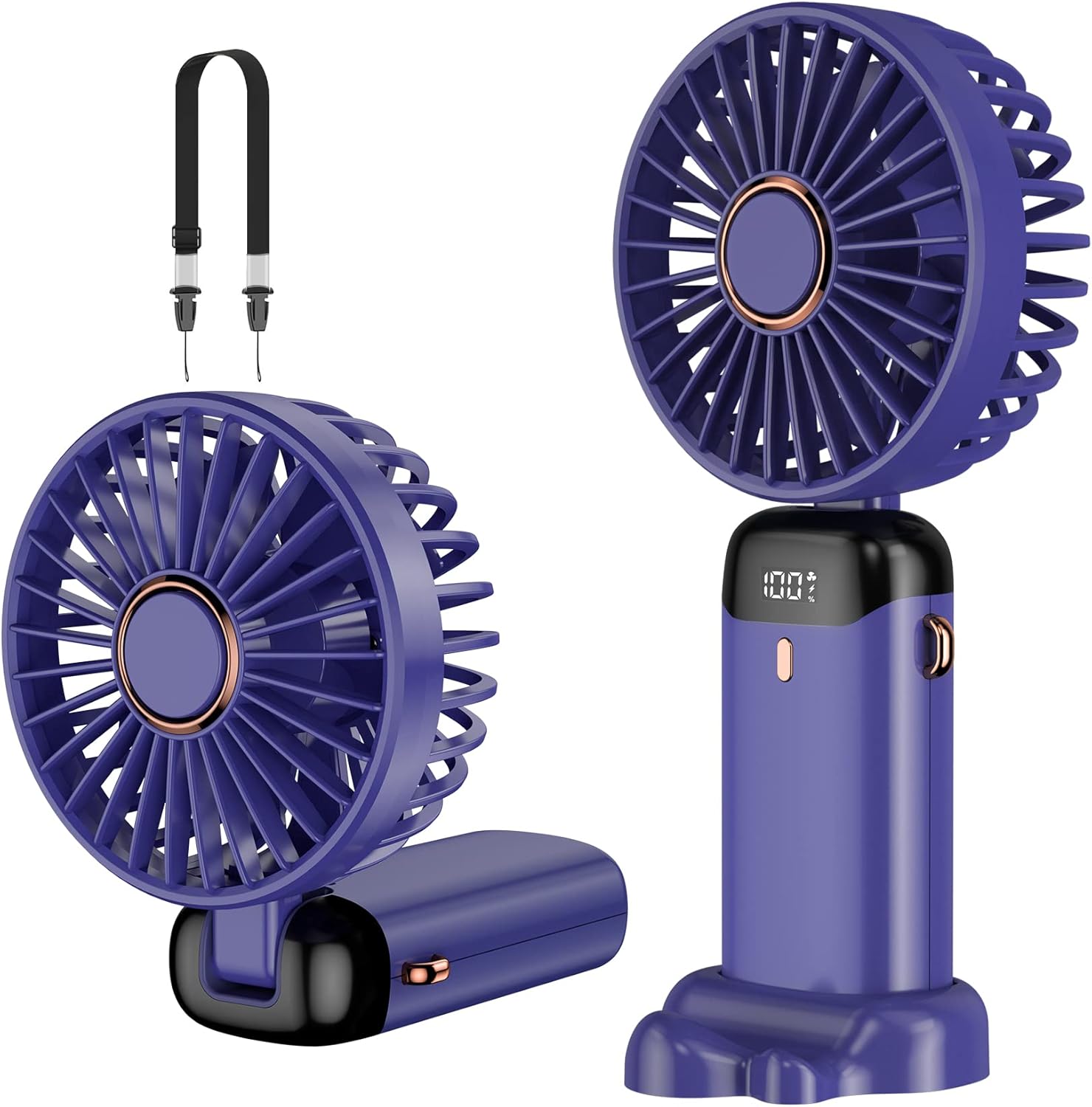
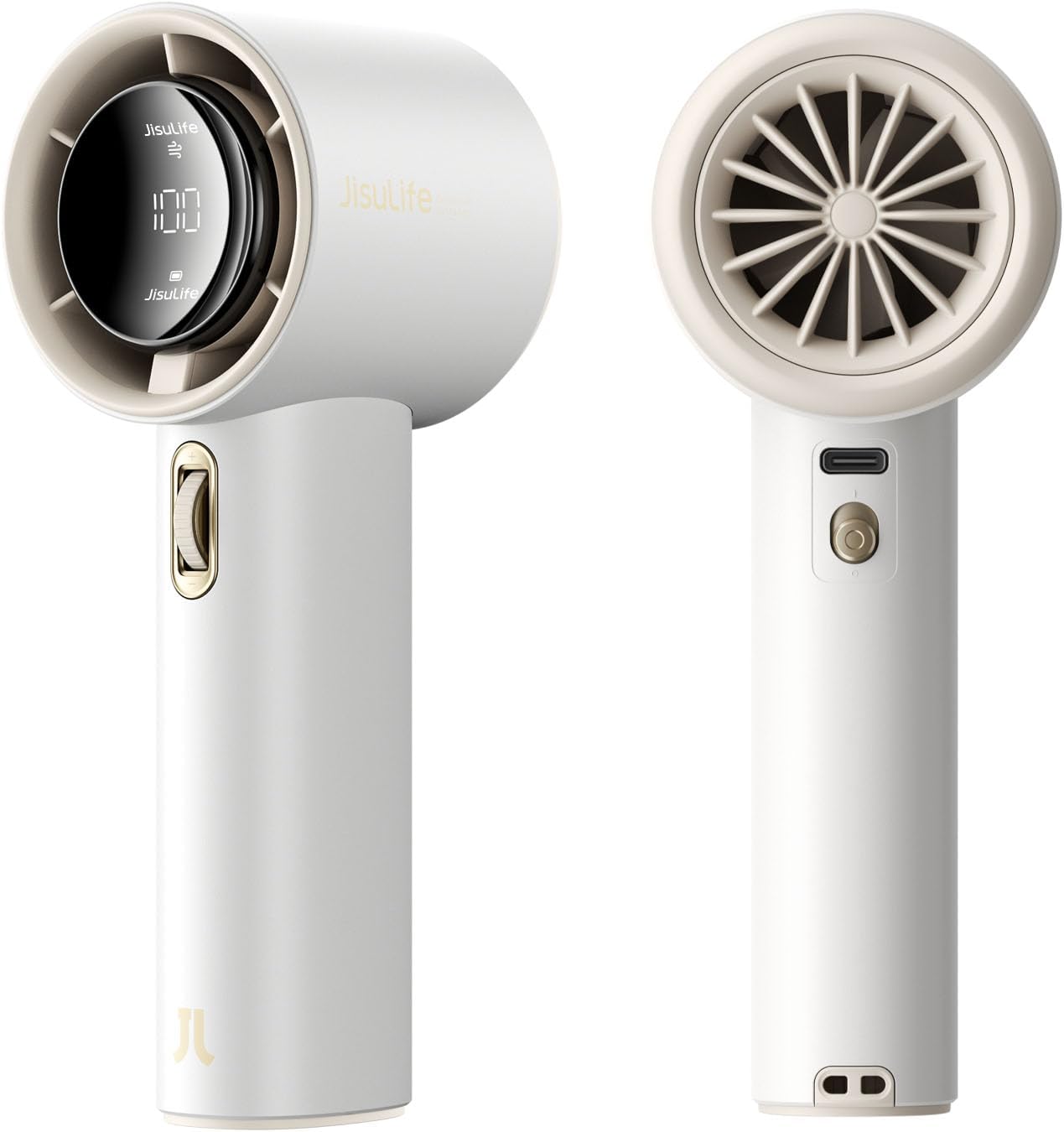
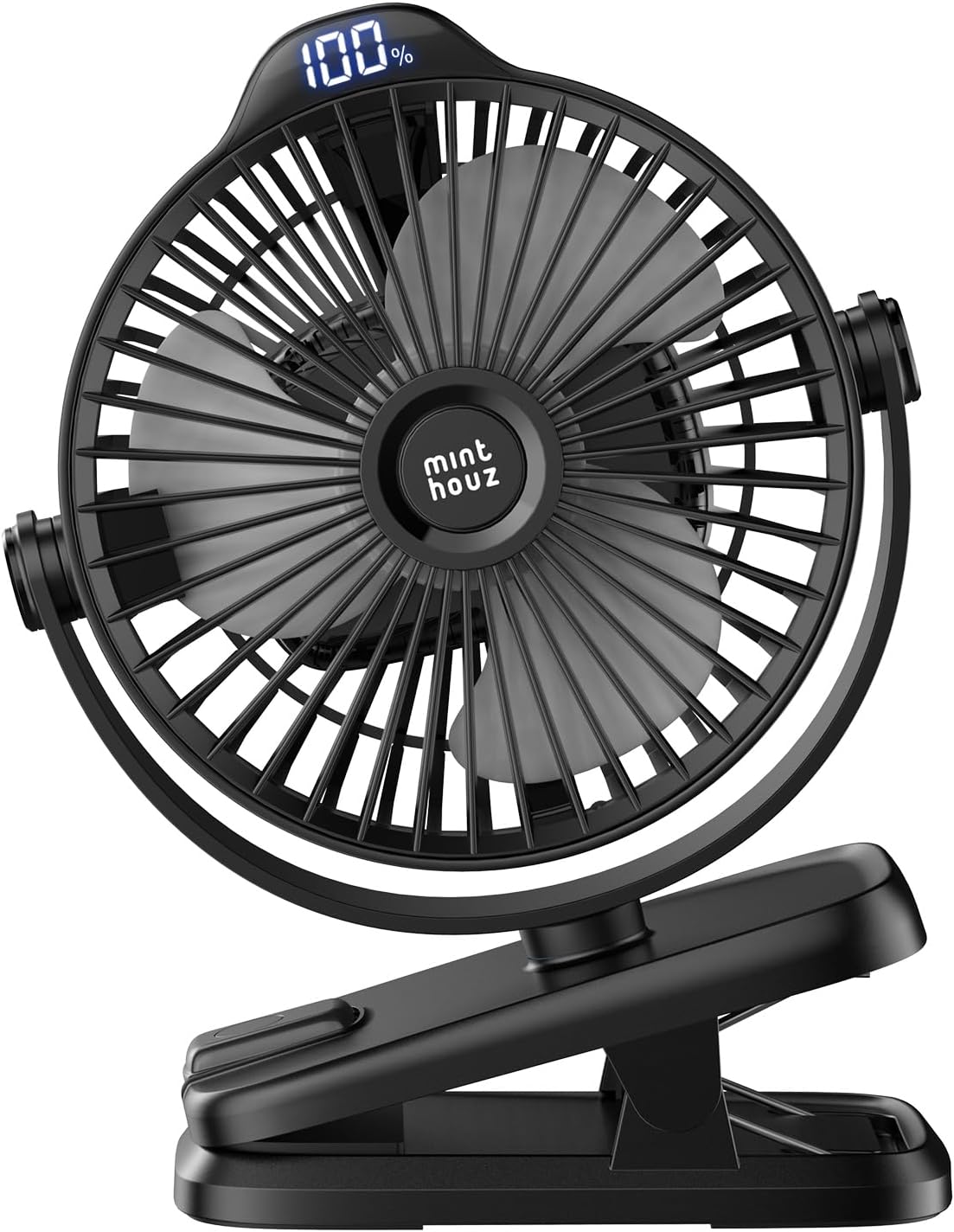
If you need something with more oomph, check out the brilliant Itehil solar rechargeable fan which makes an excellent choice for larger tents. See our review here.
When it’s genuinely sweltering and fans alone aren’t cutting it, the simplest trick in the book is also one of the most effective. Soak a small towel or flannel in cold water, wring it out loosely, and press it against your pulse points – wrists, neck, inner elbows and behind the knees.
These are the spots where blood vessels run close to the surface, so cooling the skin here actually brings your core temperature down faster than, say, just splashing your face.
Combine this with a fan pointing directly at you and somewhere shady to sit, and you’ll feel human again within minutes. Pack a lightweight microfibre cloth specifically for this – they cool quickly and dry fast, which matters when you’re trying to rotate them throughout a hot night!
In summer you need to up your water intake significantly. Add in some physical activity and spending more time than you ordinarily might in direct sunlight, and you’ve got a recipe for dehydration which will hinder your body’s natural ability to cool itself.
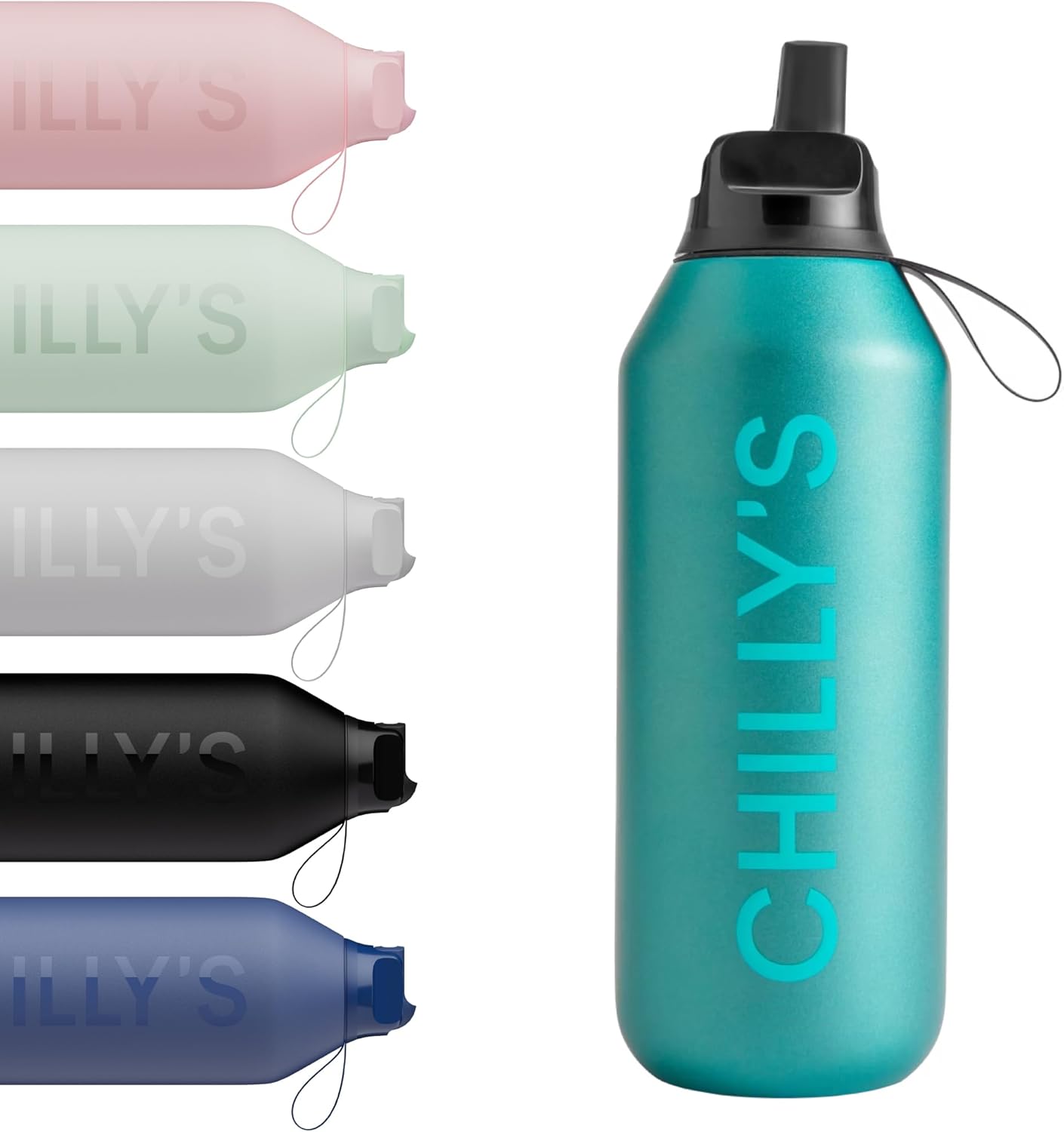
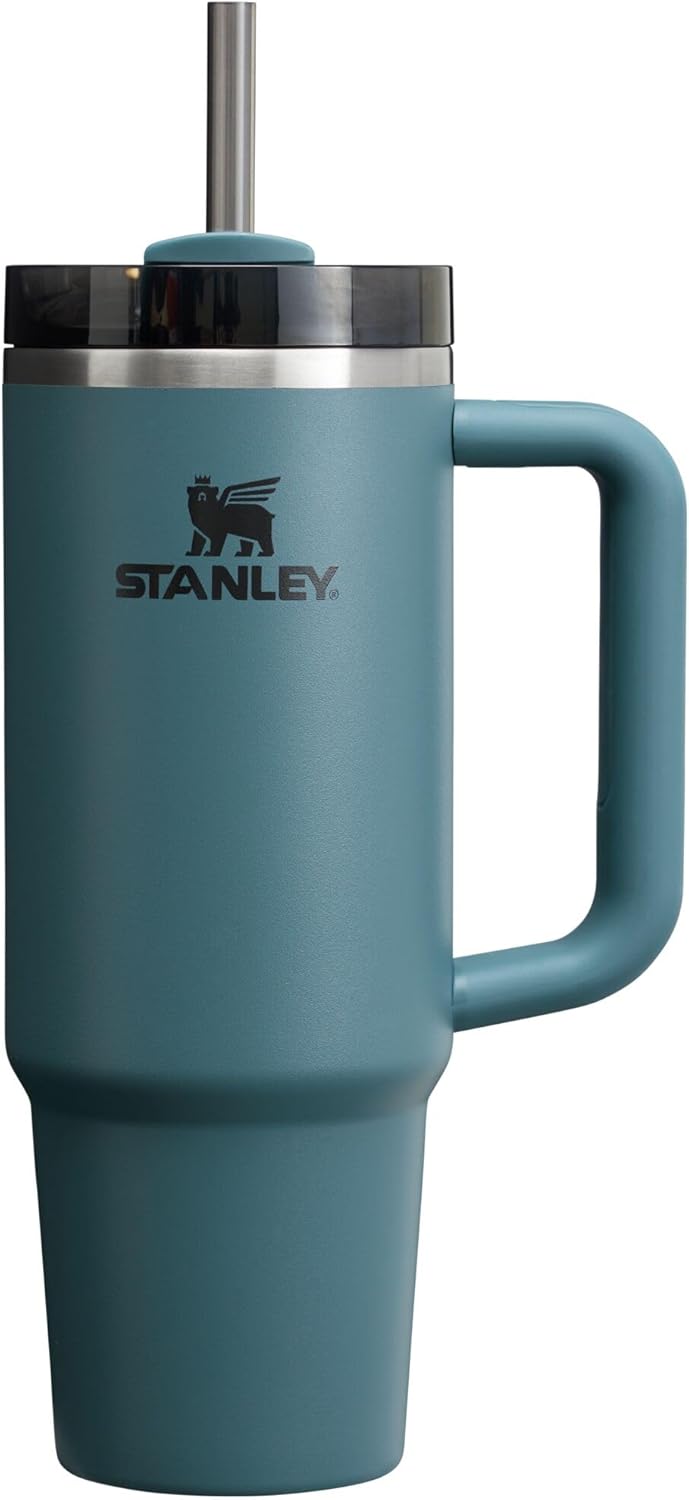
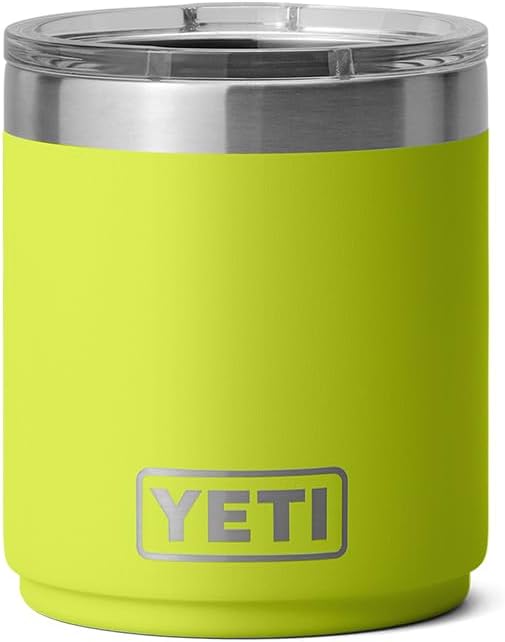
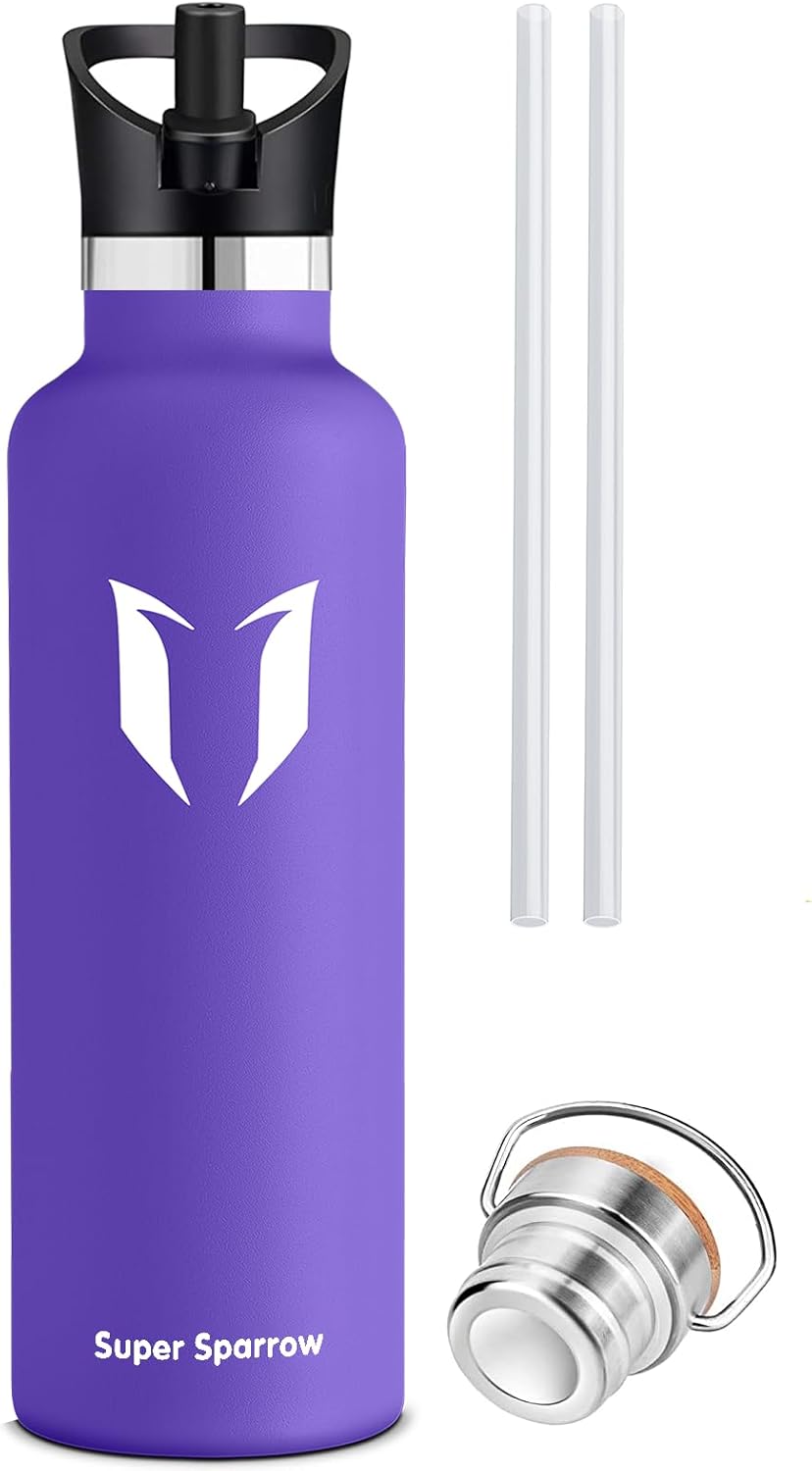
In hot weather, you should be drinking as much as 3 litres of water a day, so keep that water bottle by your side and remember not to wait until you feel thirsty to take a glug!
Check out our insulated drinking tumbler head-to-head test to see which one wins!
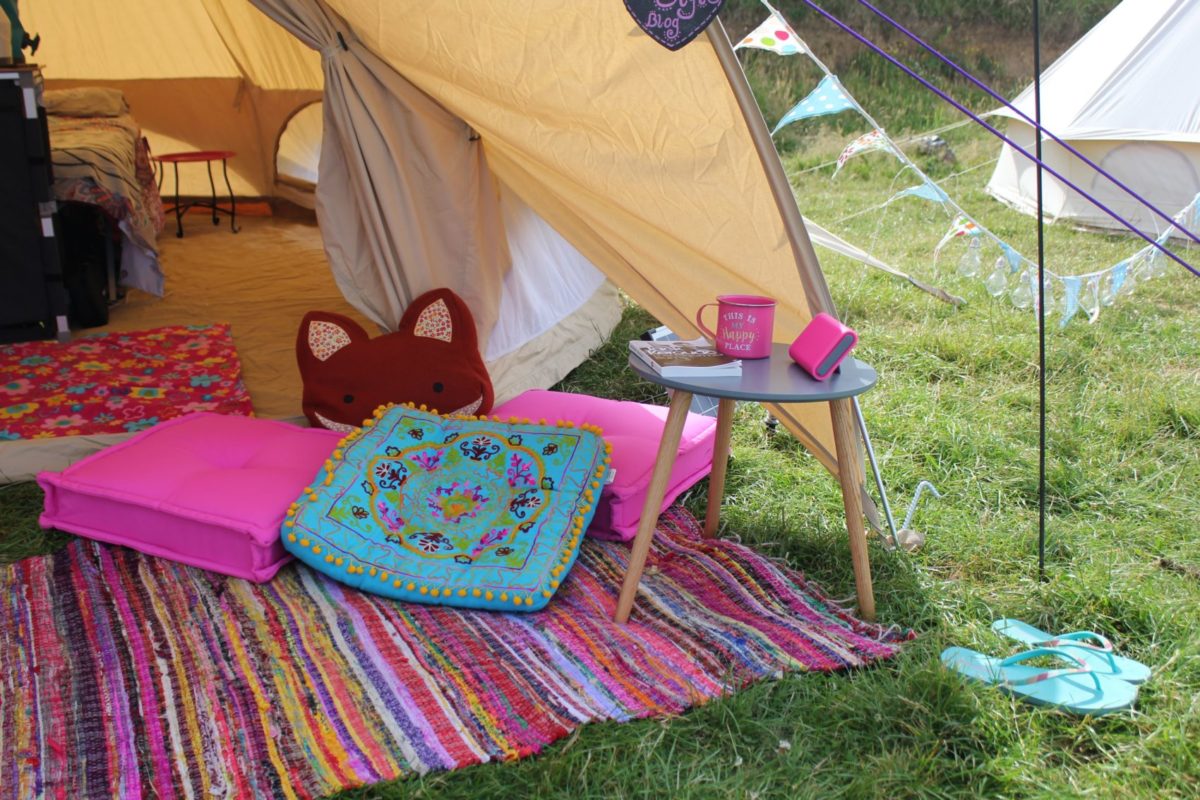
Use a tarp if needed, but a sun shade or covered open porch area will provide you with some much-needed shade on a hot day. Keeping out of the sun as much as possible will help to keep you cooler and more comfortable, but it’s not always easy when all you’ve got is a tent.
When choosing a tent, look for one with a built-in shade, porch or canopy or buy a shade that can quickly be popped up as needed, or failing that, a good old-fashioned parasol will do the job.
Investing in a decent camping cool box is one of our best-ever camping investments. We use a passive cooler and have recently replaced our old Coleman Xtreme with an Igloo Maxcold.
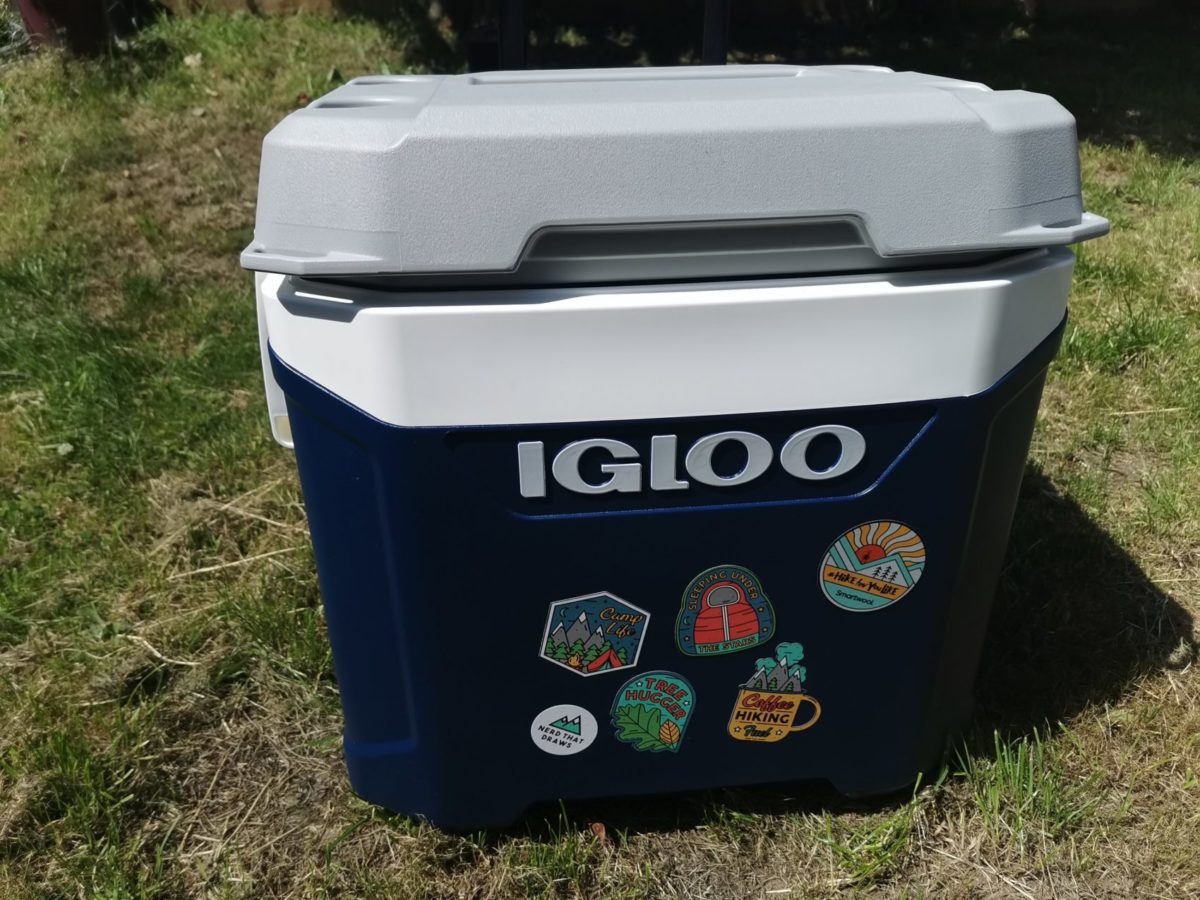
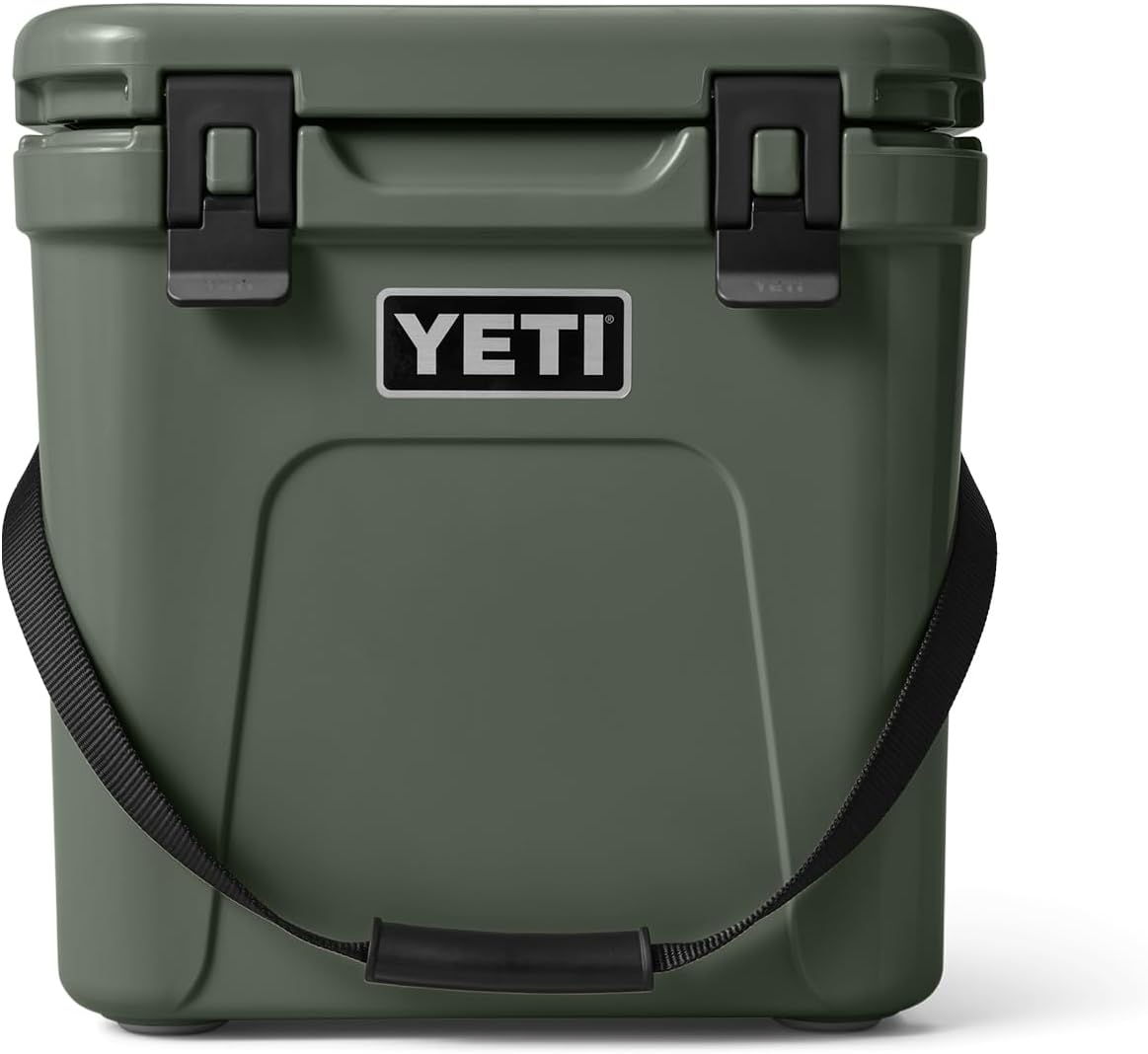
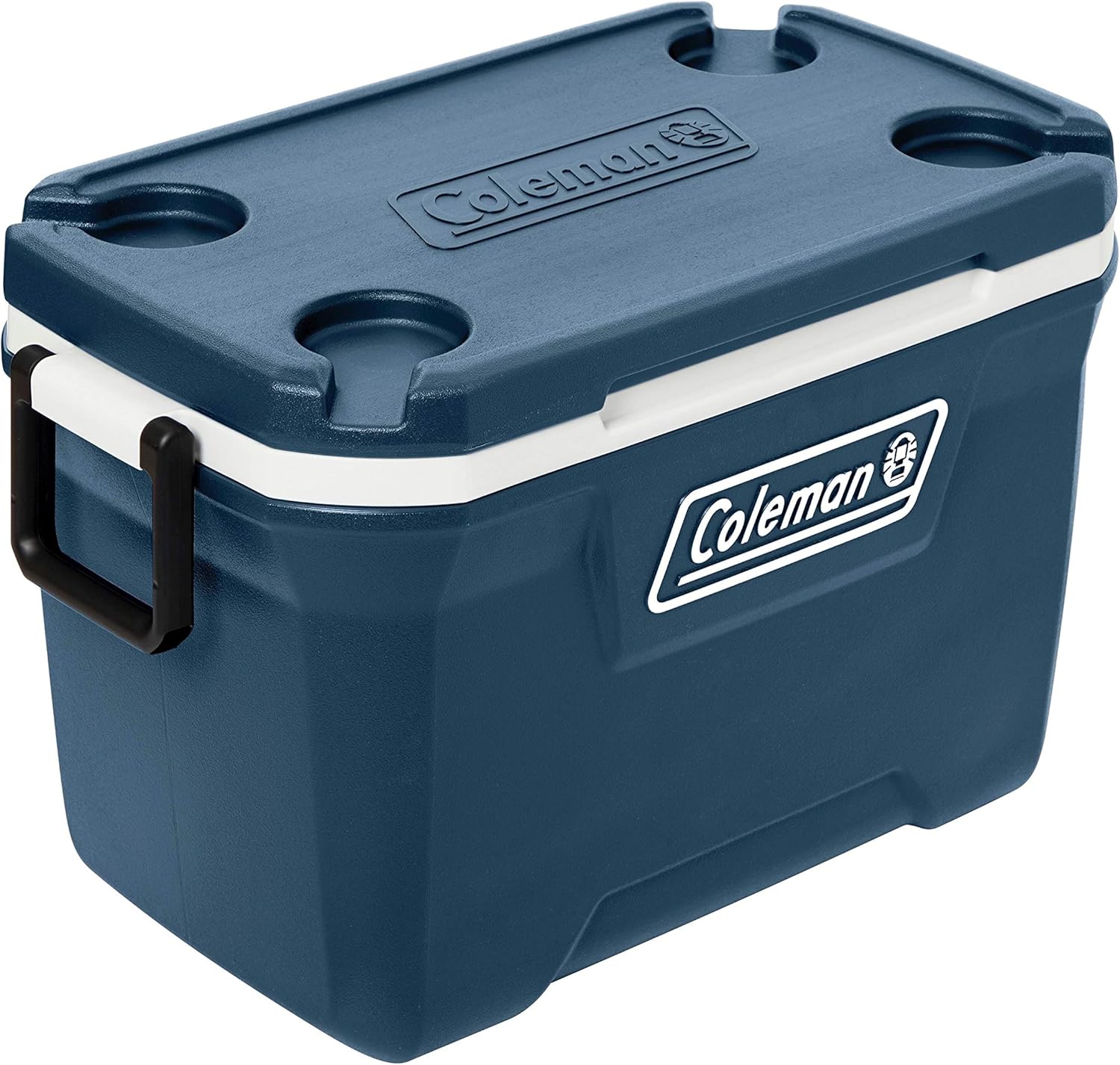
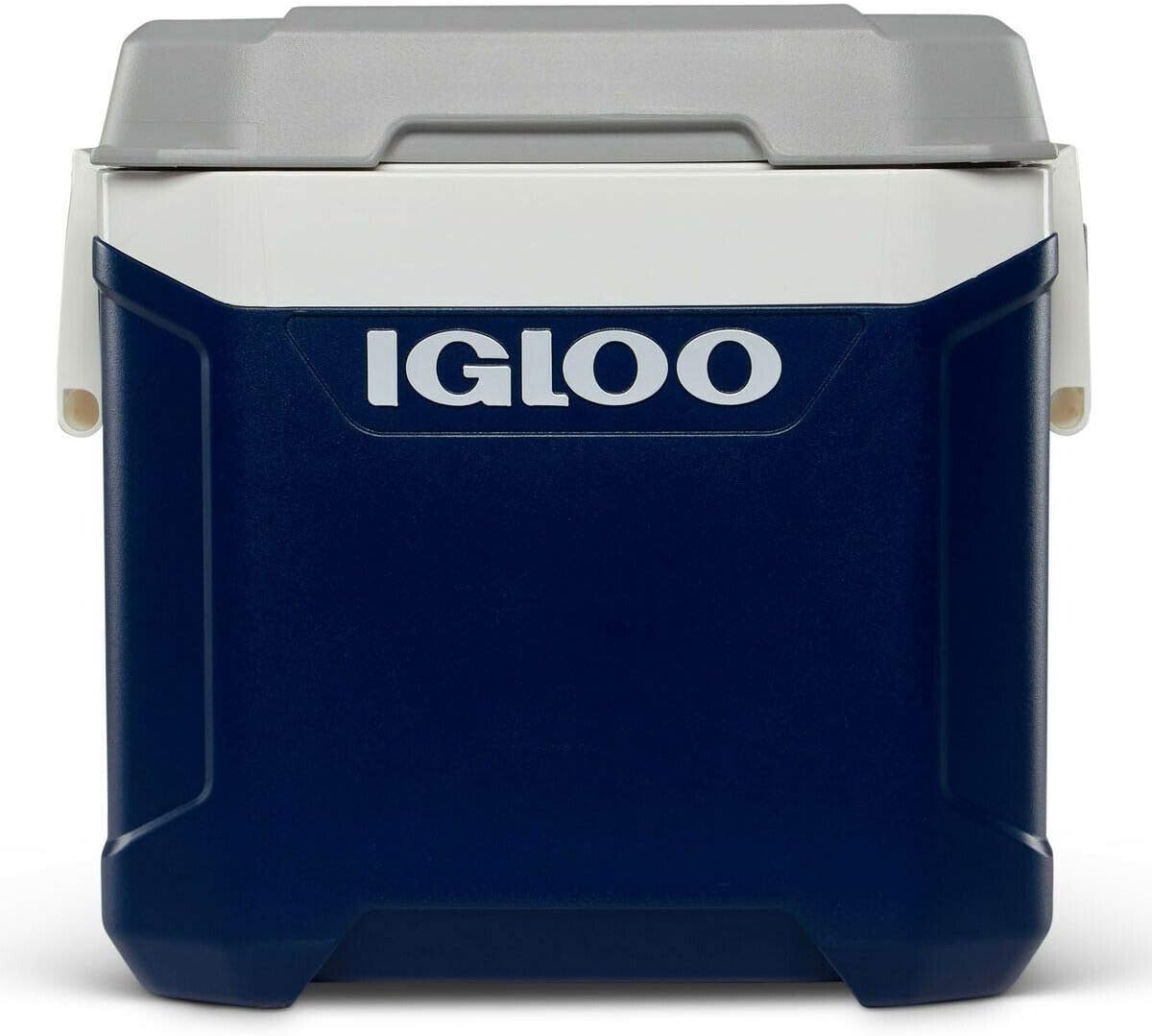
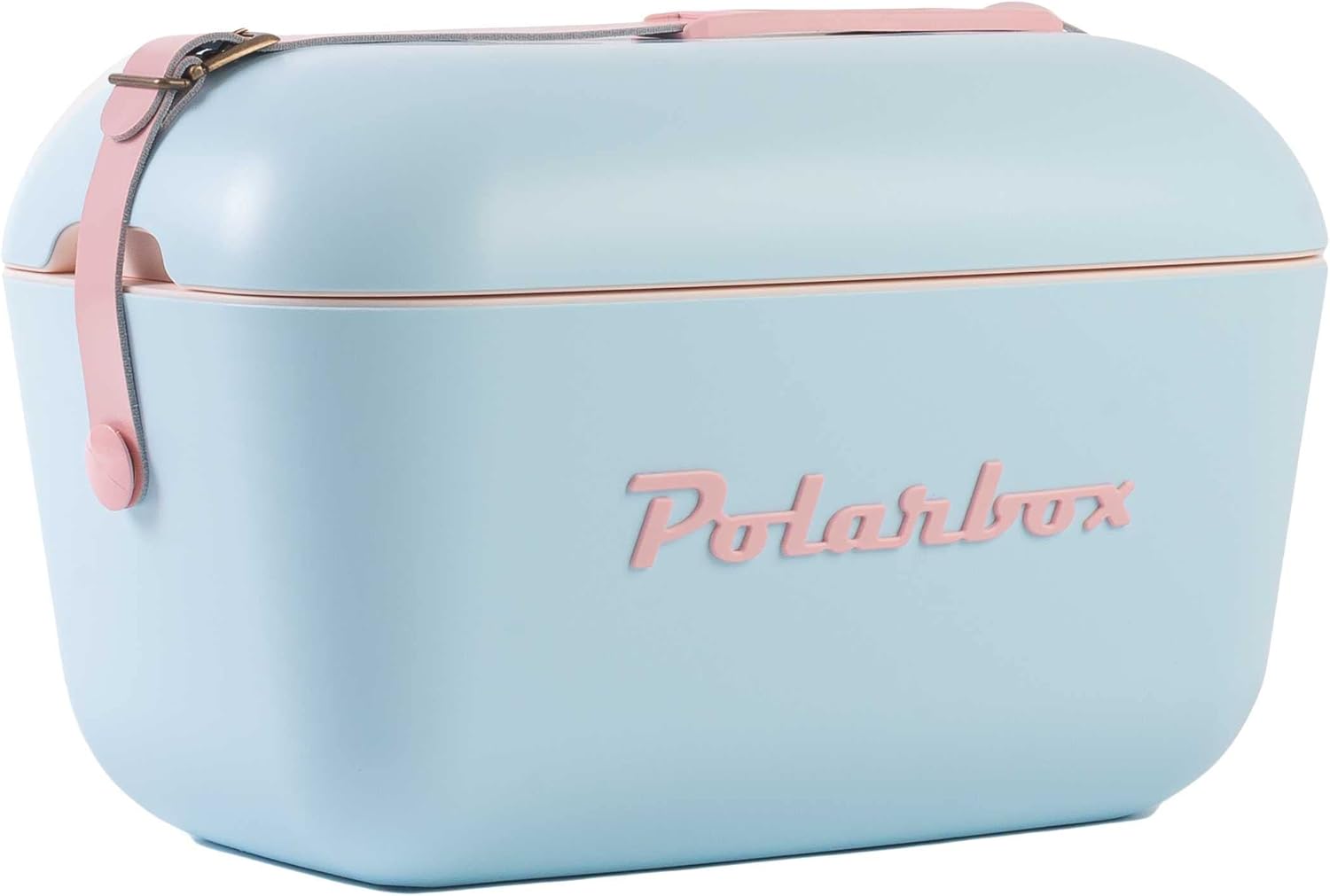
Coolers like this will keep ice for up to 5 days without power and means for a weekend camping trip, even when it’s really hot, you’ll have ice and cold water easily to hand, helping to keep you comfortable and hydrated.
Trust me when I tell you that a larger tent is dramatically more liveable in during hot weather. More floor space means more distance between sleeping bodies (which generate a surprising amount of heat), more headroom allows warm air to rise away from you, and bigger tents tend to have more ventilation options built in too.
If you’ve got a small two-person tent and a larger family tent, this is yet another occasion where bigger is better, even if you’re just on a short camping trip. The extra faff of setting it up is absolutely worth it for a decent night’s sleep.
Most people know to ditch the winter sleeping bag in summer, but there’s a bit more to it than chucking a thin liner in instead. The real game-changer is what you sleep on as much as what you sleep in — a thick foam sleeping mat or inflatable pad traps body heat underneath you, which is exactly what you don’t want on a hot night.
Consider swapping to a thinner mat, or using a cotton sheet directly on the groundsheet if conditions are really extreme. Bamboo or cotton sleeping bag liners are also far better in heat than synthetic ones — they wick moisture and feel genuinely cool against your skin rather than clammy. And if the temperature is above 20°C at midnight, you’ll probably just want to sleep on top of the bag entirely with the liner as your only cover.
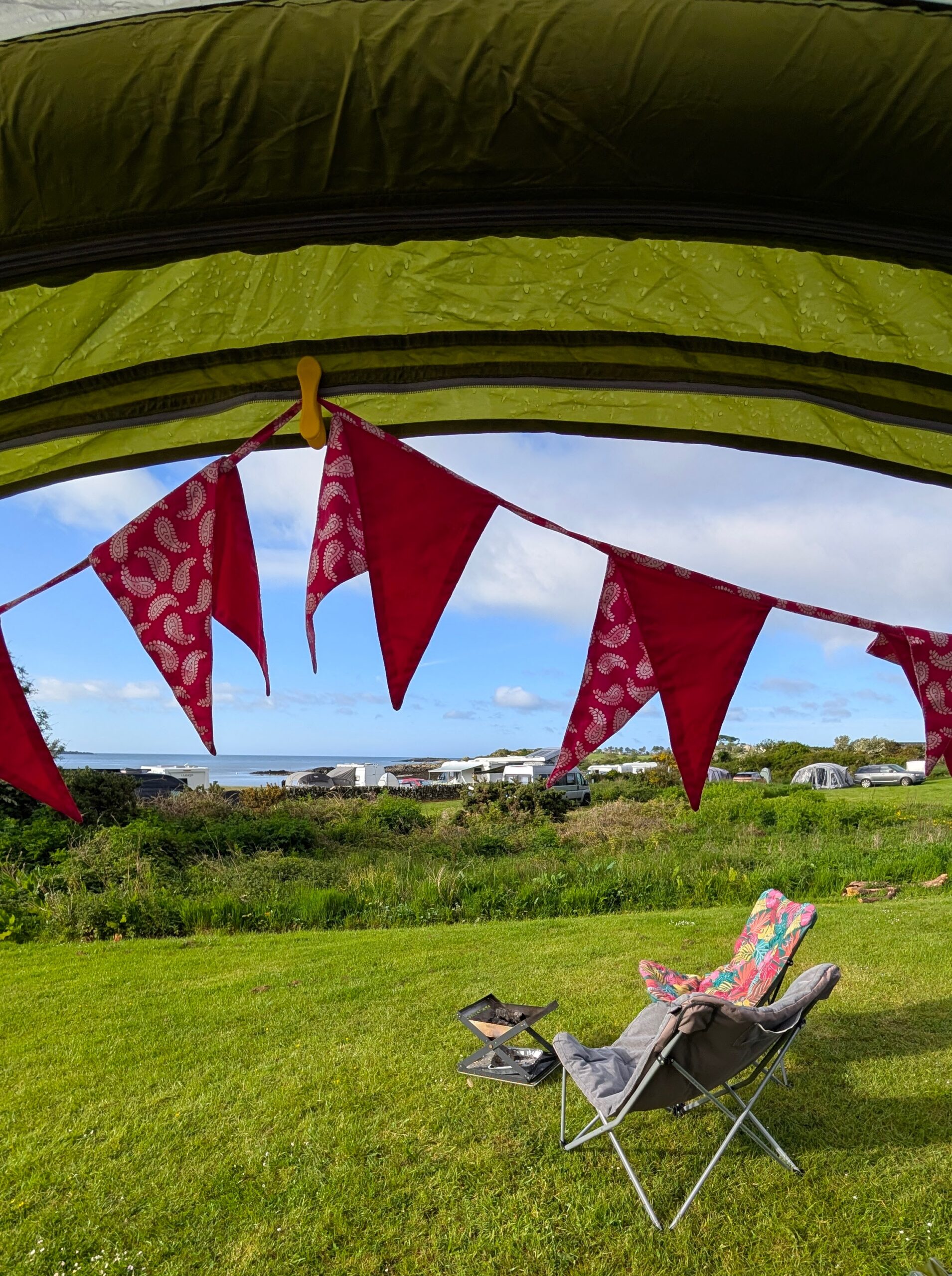
This final tips is perhaps my favourite because it gives you permission to slow down, which is, frankly, one of the best things about camping in the first place.
This is one that sounds obvious but most campers ignore it until they’ve suffered through a 2pm walk in 30-degree heat and return dripping with sweat and fit to drop, questioning their life choices.
The hours between about 11am and 3pm during a heatwave are genuinely best spent doing as little as possible, reading in the shade, swimming if you’re near water or even taking an afternoon siesta.
Heatwaves are not the time to tackle that big fell walk or 30 mile bike ride. Save your walks, exploring and any physical activity for early morning or the couple of hours before sunset. The light is better for photos anyway, the temperature drops noticeably, and you’ll actually enjoy yourself rather than just surviving the heat.
This is something I’ve taken entirely from wild swimming culture – serious open water swimmers always talk about working with the conditions rather than against them, and it applies just as much on land.
Either leave your sleeping bag at home or switch to a lightweight summer sleeping bag that you can unzip and use like a lightweight duvet. This allows for way more airflow than being encased in a sleeping bag which is designed to trap and maintain heat.
It also makes it easier to kick a leg out and moderate your temperature throughout the night, particularly as your body temperature continues to drop throughout the night.
The post Camping Tips For Hot Weather – Essential Heatwave Camping Tips appeared first on Camping Blog Camping with Style | Travel, Outdoors & Glamping Blog.