Exploration has always been about more than simply getting from place to place. In 2026, it’s about how deeply you connect once you arrive.
Travelers are following their interests rather than racing through highlights, and choosing experiences that feel personal, purposeful, and rooted in genuine connection. Instead of ticking destinations off a list, today’s travelers favor immersion over accumulation and understanding over spectacle.
Across the globe, a few destinations are emerging as reflections of this shift in mindset, places travelers are rediscovering not because they’re new, but because they reward a more thoughtful way of seeing the world.
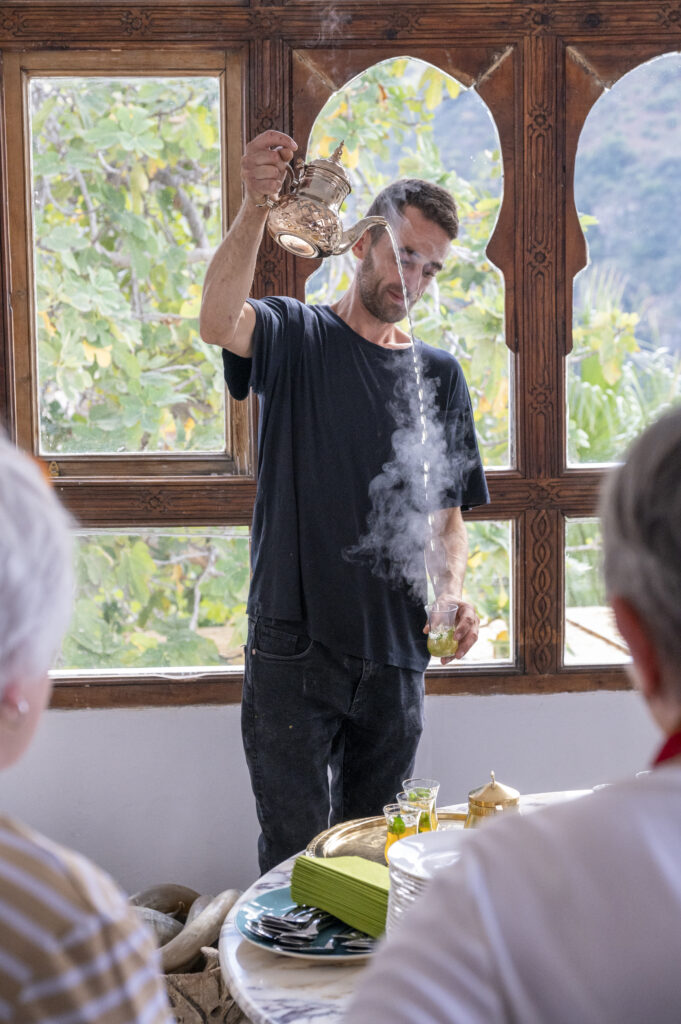
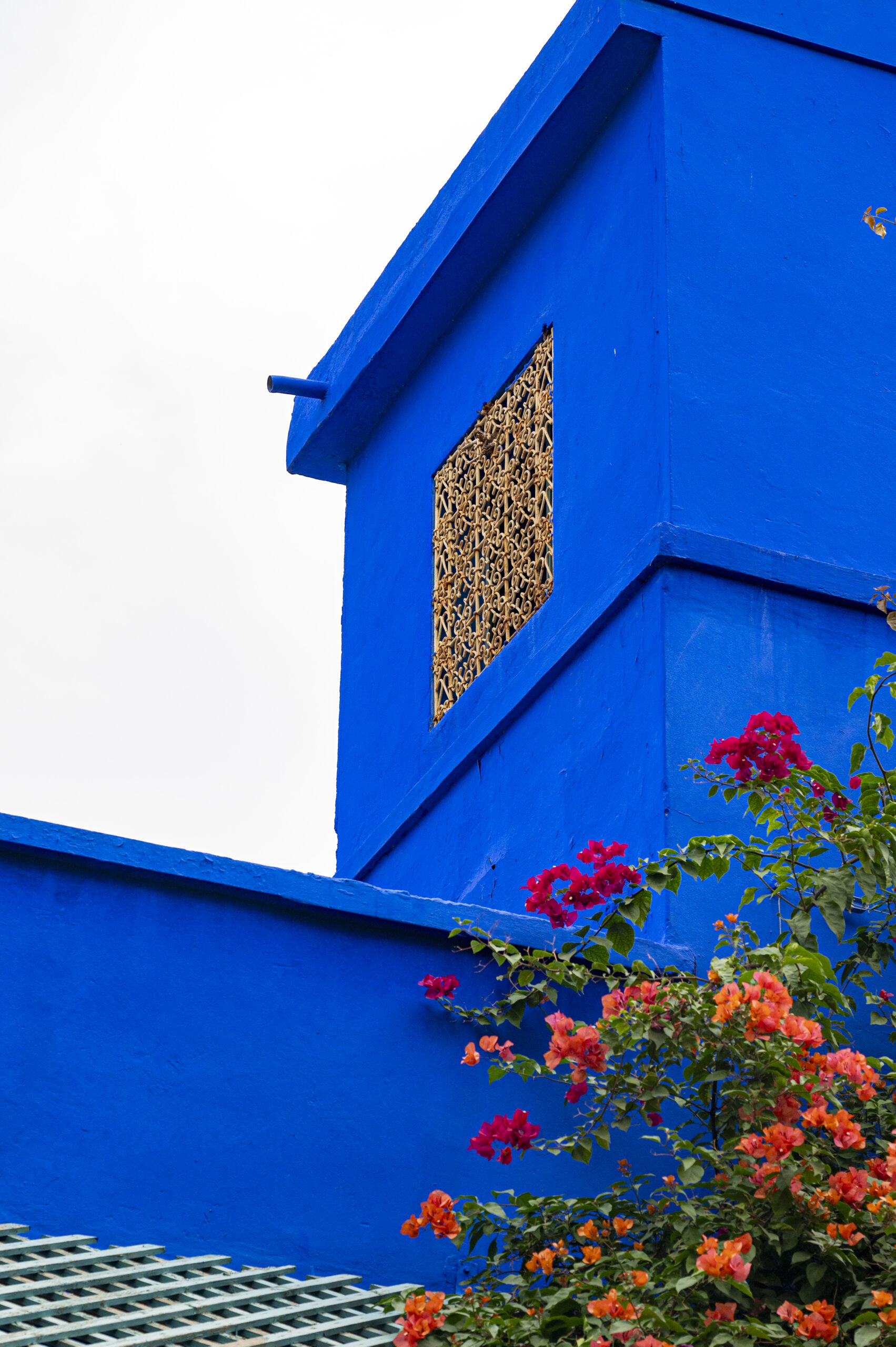
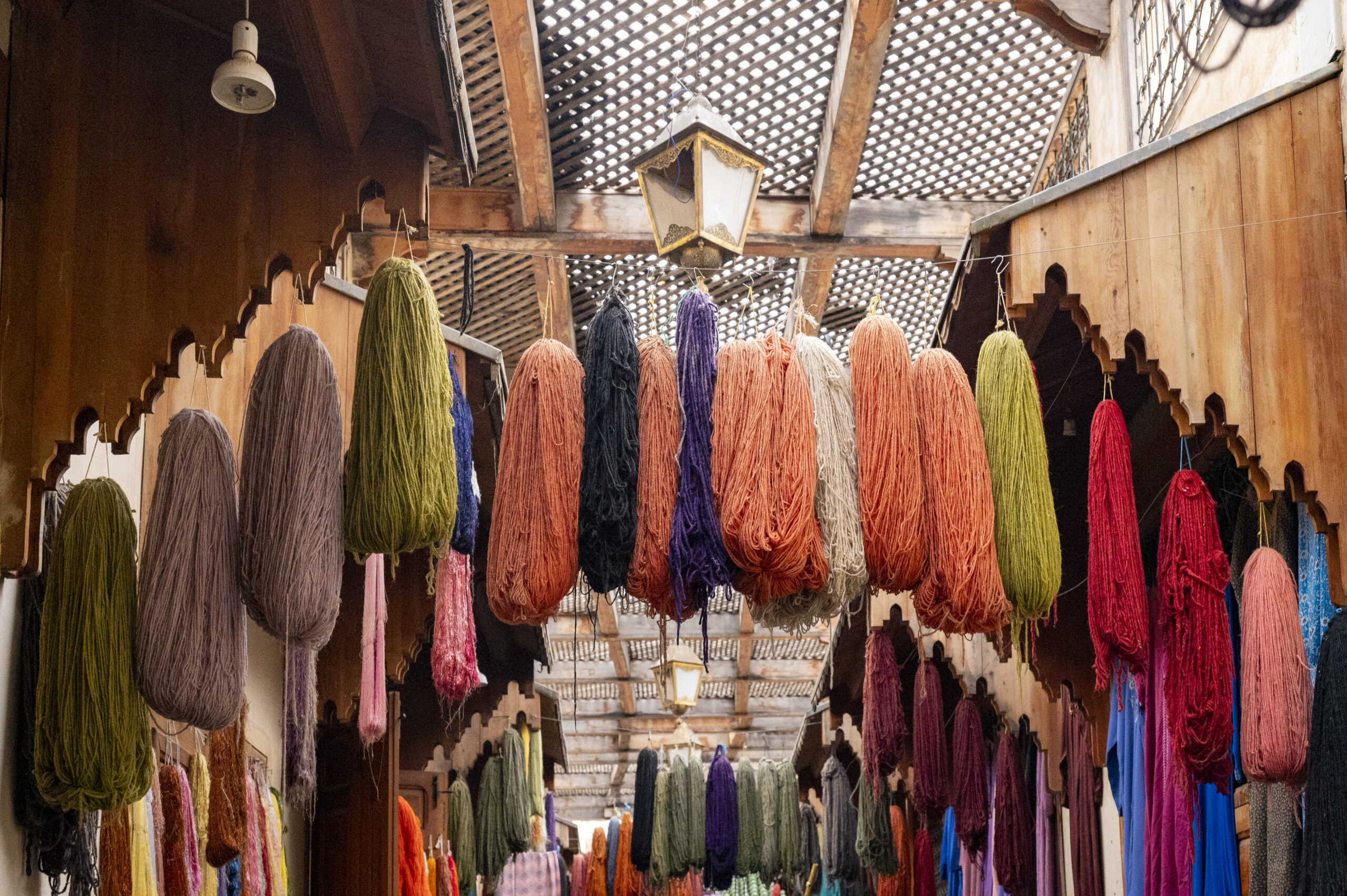
Morocco is being rediscovered through access, context, and human connection. Travelers are seeking experiences that reveal the country beyond its famous landmarks, moments that unfold through conversation, craftsmanship, and everyday life.
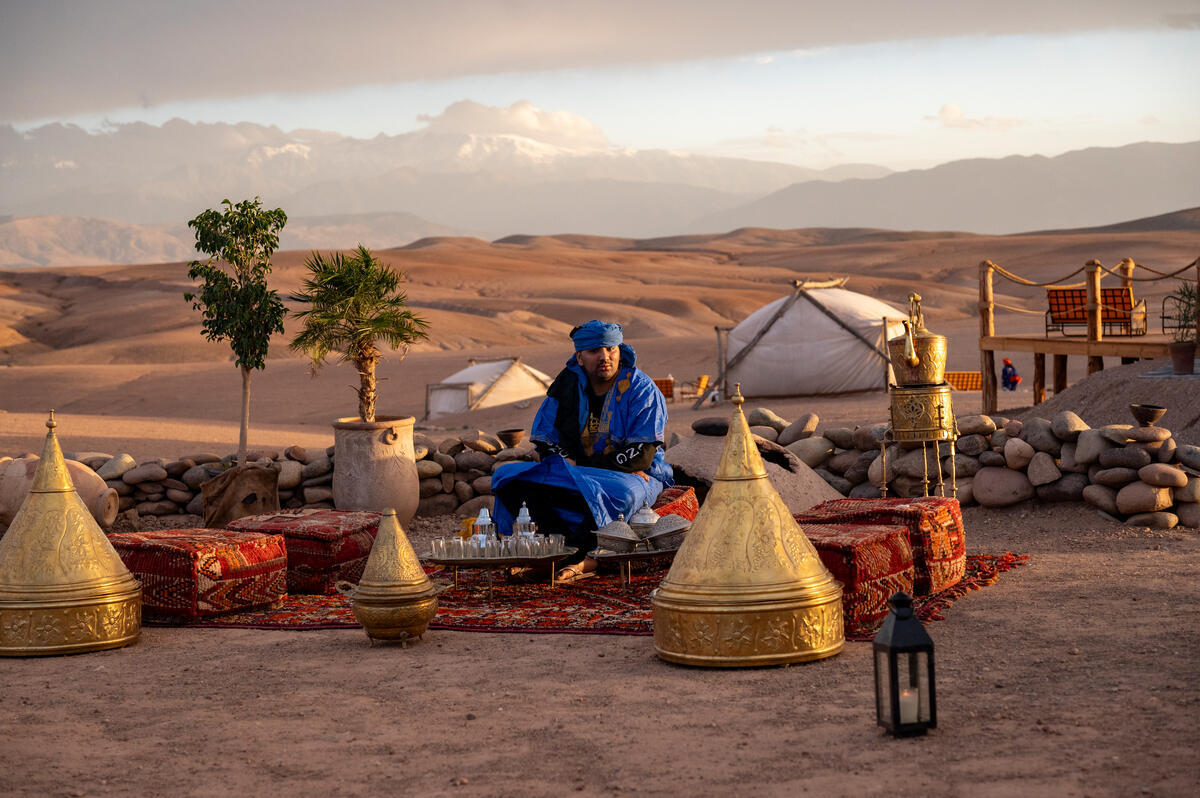
There’s a growing desire to slow the pace: spending meaningful time in cities like Fes, Marrakech and Rabat (emerging as a premier destination for travelers), walking ancient medinas with expert insight, and visiting artisans whose skills have been passed down through generations. Travelers are equally drawn to Morocco’s contrasting landscapes, from the Atlas Mountains to the Sahara, where time and silence offer perspective as powerful as any monument.
From our perspective, Morocco is most meaningful when its complexity is gently unpacked, through private access, thoughtful pacing, and encounters that feel personal rather than performative. Whether sharing a home-hosted meal, immersing oneself in a day of Berber culture and cuisine, or watching the desert sky as it fades to night, these quieter moments reveal the soul of the country.
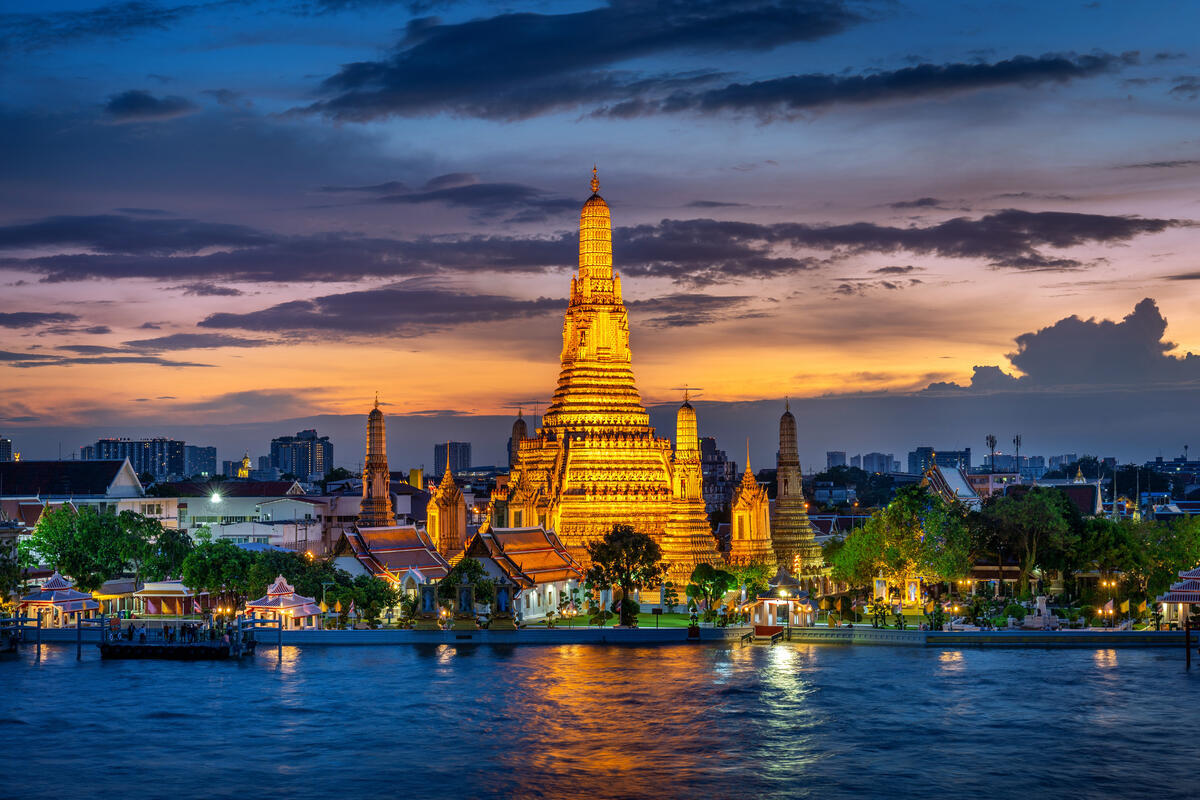
Southeast Asia continues to captivate travelers, but how they explore the region is evolving. In 2026, there’s a noticeable shift away from fast-moving itineraries toward journeys that allow travelers to settle in, observe, and engage more deeply. We believe Southeast Asia reveals its meaning through continuity and context by pairing iconic sites like Angkor with time in local communities, by balancing history with present-day culture, and by traveling at a pace that allows stories to surface naturally. Experiences such as village visits, conversations with locals, and immersive cultural encounters turn the journey into something lived rather than observed.
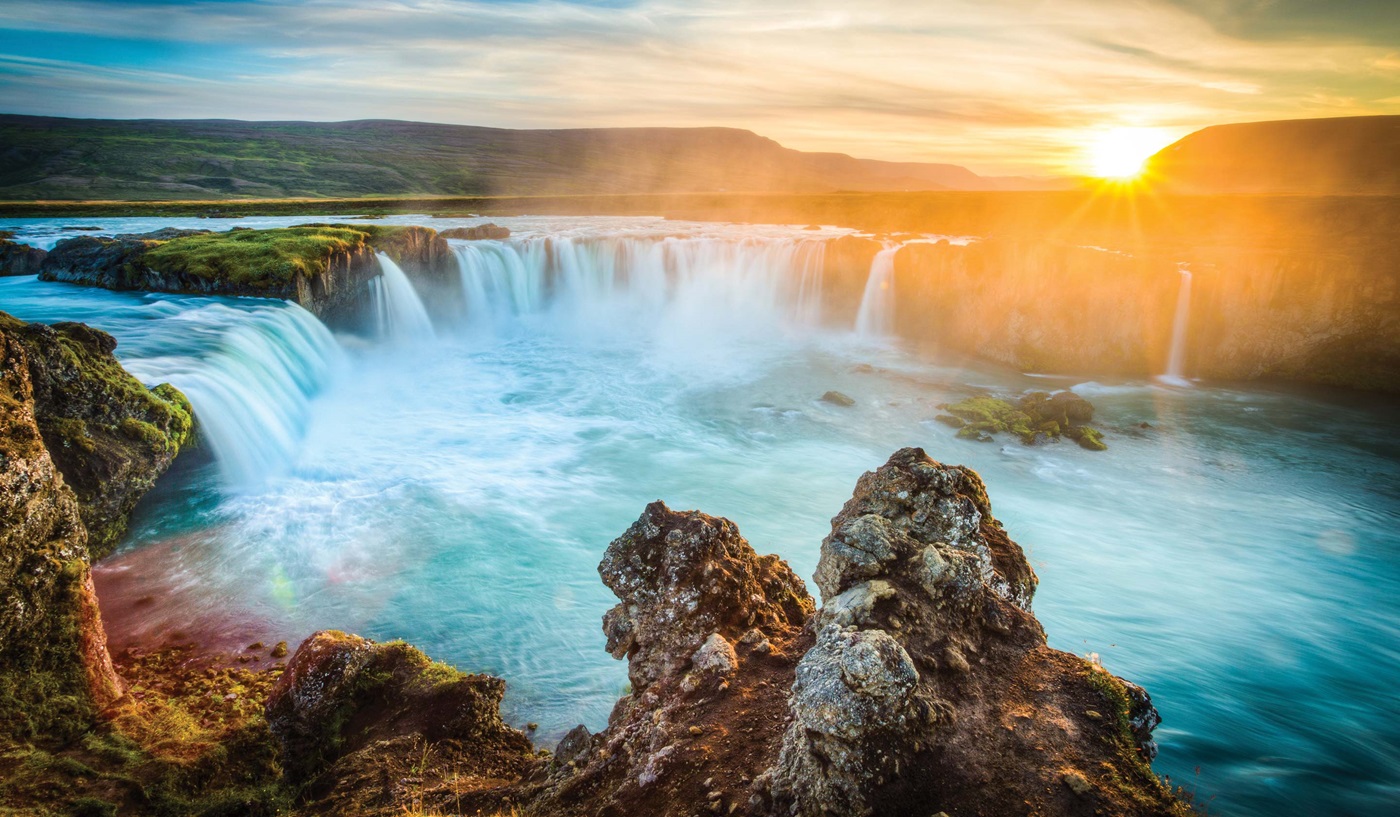
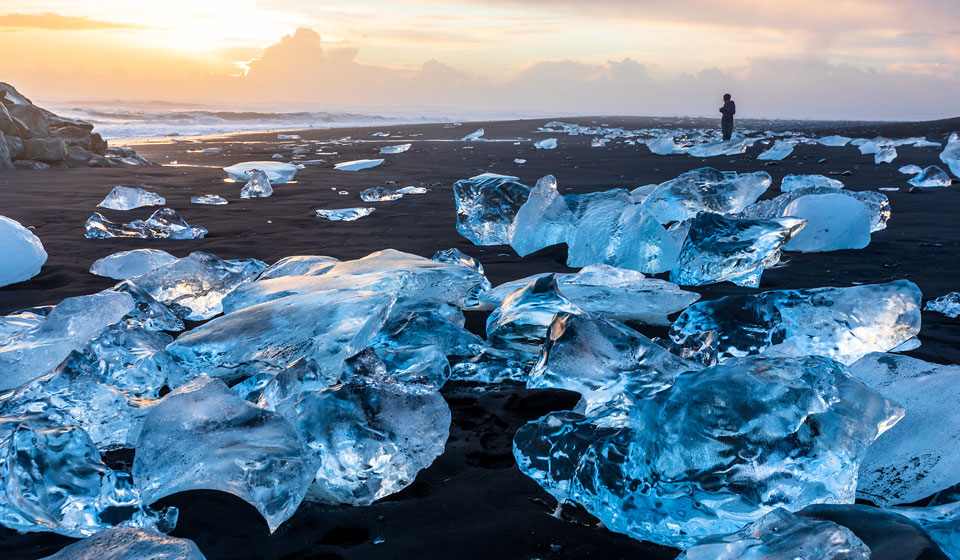
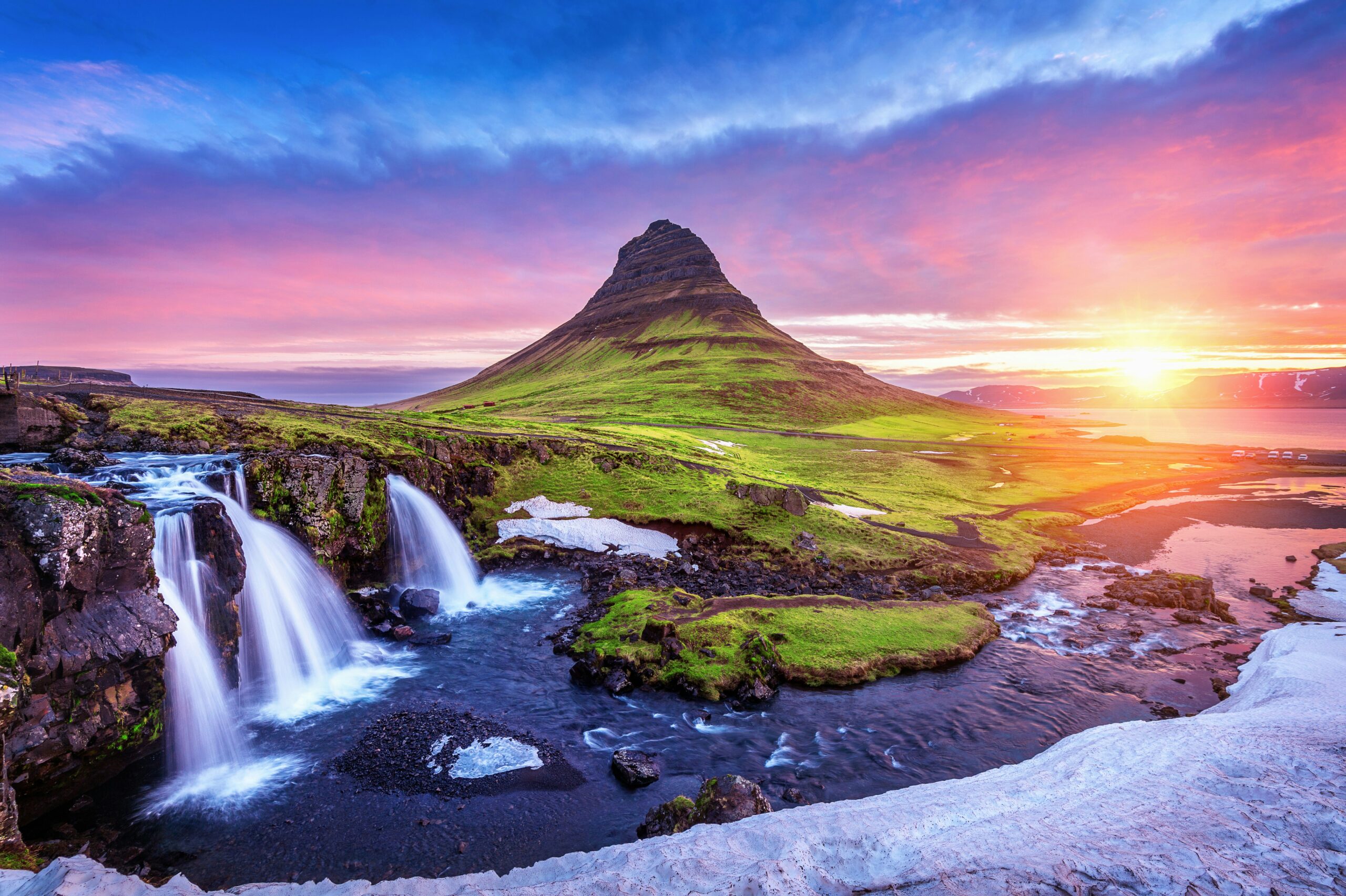
Iceland’s dramatic scenery will always inspire awe, but in 2026, travelers are looking beyond the postcard views. They’re seeking experiences that connect the country’s raw natural beauty with its cultural and human stories.
Exploring Iceland by small ship opens access to quieter coastal towns and remote regions where daily life is shaped by the land and sea. Time spent in fishing villages, encounters with local experts, and visits to places unreachable by larger vessels offer a deeper understanding of how Icelanders live in balance with their environment.
From our perspective, Iceland is best experienced with space to reflect,
whether walking across the Arctic Circle, witnessing powerful waterfalls, viewing the local wildlife in their natural habitat, or learning about Icelandic history on an in-depth visit to Thingvellir National Park. By pairing natural wonders with cultural insight and thoughtful pacing, the destination becomes more than spectacular scenery; it becomes a place of perspective.
What connects Morocco, Southeast Asia, and Iceland in 2026 isn’t geography, it’s intention. Travelers are choosing journeys that prioritize authenticity, access, and understanding. They’re seeking experiences shaped by local expertise, designed with care, and paced to allow moments to resonate.
As travel continues to evolve, one thing is clear: the most meaningful journeys aren’t defined by how much you see, but by how deeply you experience it.
And that’s a way of exploring the world that never goes out of style.
The post How Travelers Are Exploring the World Differently in 2026 appeared first on The Taucker Travel Blog.