Statistics Canada estimates that urban greenspace has declined in every province over the last two decades. That decline has implications not only for the wildlife, but for the climate of our towns and cities. Canada’s Climate Atlas projects that Canada’s urban centres will see a dramatic increase in extremely hot days.
Our goal with Nature Positive Cities is to engage individuals, groups and municipalities to create nature-positive cities and towns across Canada. Protecting and restoring nature will help address both biodiversity loss and climate change. Planting trees, for example, keeps cities cool, absorbs carbon, and creates habitat for birds and wildlife, while also providing a buffer against extreme weather phenomena such as flooding and the urban heat island effect.
And we couldn’t do this work without the generous support of the RBC Foundation.
“The Nature Positive Cities project engages individuals, groups and municipalities to advance local climate solutions by conserving natural spaces, planting trees and restoring wildlife habitat,” says Thea Silver, Senior Director, Environmental Impact at RBC. “ It’s a big-horizon approach to a global challenge, but every community can play a part. RBC is proud to be supporting this effort, which is helping to advance nature-based solutions within the communities where we live and work. ”
Thanks to the support of RBC Foundation, our progress over the year has surpassed expectations. Nature Canada has certified a total of 41 cities and towns as Bird Friendly. We have also been able to fund 16 additional stewardship and species recovery projects, bringing the total number of local climate resiliency projects to 41 as well. These projects range from planting trees and pollinator gardens to restoring habitat and nesting spaces for bird species. A few highlighted examples from these projects supported by RBC Foundation include:
- Little Forests Kingston is working to build local support for “pocket wetlands” as natural climate solutions and biodiversity assists. This work includes conducting workshops, planting native plants in wetland areas and developing pocket wetland resources.
- Free the Fern, dedicated to restoring the Champlain Heights Trail System, held a Forest and Feast Day that brought together community residents to learn about pollinators, help remove invasive plant species and share a delicious lunch (including bannock sandwiches).
- The Nova Scotia Bird Society is pursuing their ReNest program to provide nest boxes for tree swallows, whose populations are in steep decline in the region.
- Members of Ontario Nature’s Youth Council ventured to Kilcoo Camp in Minden, Ontario, for a weekend of learning about the ecological importance of wetlands (which, as a subject, are almost entirely excluded from Ontario’s secondary school curriculum).
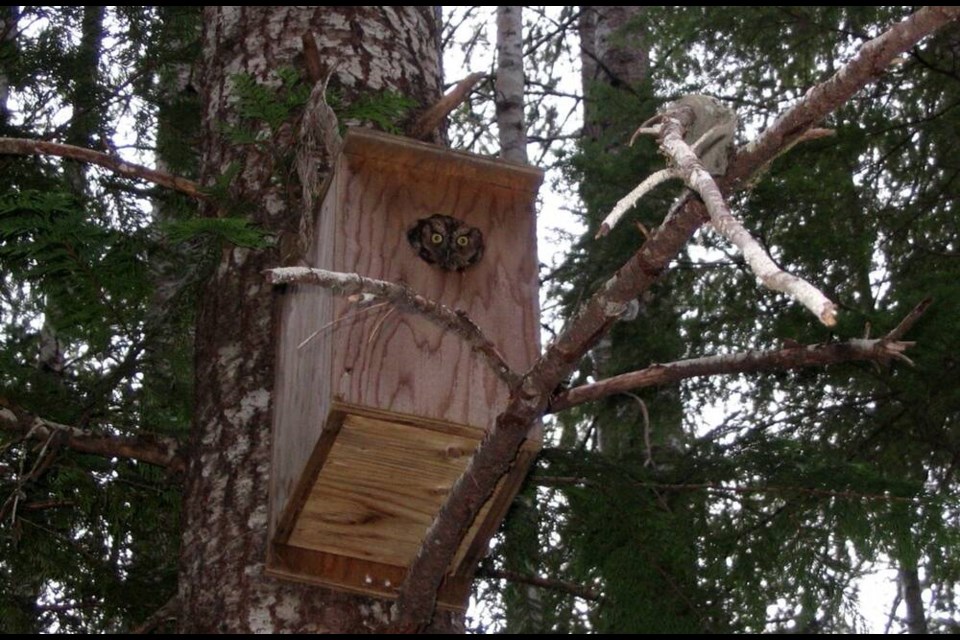
- Habitat Acquisition Trust, a regional land trust that conserves nature on south Vancouver Island, is helping reverse population declines of the Western Screech Owl through acoustic monitoring surveys, habitat assessments, and nest box enhancement and monitoring.
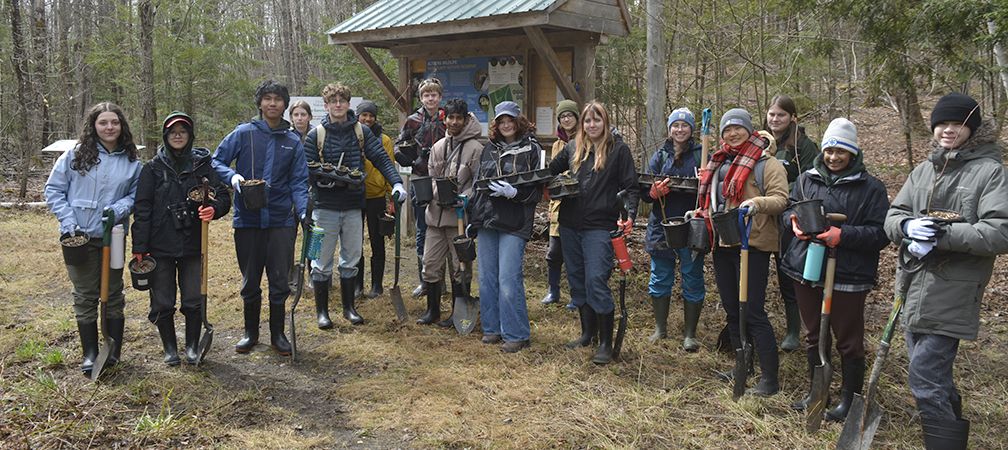
- The Escarpment Biosphere Conservancy hosted a community stewardship and restoration event at Keefer Falls, located near Annan, Ontario. Held on Mother’s Day, 2026, the event focused on the renaturalization of a disturbed cultural meadow through the planting of native trees and shrubs.
“Nature Canada has a proud legacy of working alongside community partners to protect and restore wildlife habitat in cities across Canada,” says Emily McMillan, Executive Director of Nature Canada. “We are pleased to work with RBC Foundation to help amplify and accelerate nature protection and restoration in cities nationwide, thus ensuring nature and wildlife flourish in the future. Their leadership and support will help create healthier, resilient cities where nature and people can thrive for generations to come.”
Through these stewardship activities, thousands of people have been able to connect their interest in nearby nature with the broader problems of climate change and biodiversity loss.
Nature-Positive Cities is reorienting people’s psychological compass so that it points away from eco-anxiety and despair… towards hope and action.
Once again, a heartfelt thanks to RBC Foundation for making Nature-Positive Cities a reality!
* ® /  Trademark(s) of Royal Bank of Canada. RBC and Royal Bank are registered trademarks of Royal Bank of Canada. Used under license.