
Thanks to the Allan Brooks Nature Centre for providing this month’s blog.
Paddling across a quiet mountain lake like Island Lake in the Aberdeen Highlands of BC, it is easy to believe you are in a completely different world from the sun-baked grasslands of the Okanagan Valley. Surrounded by evergreen forests, these sub-alpine waters feel far removed from the dry hillsides around Vernon. In reality, they are inseparable.
The water held in these mountain lakes eventually flows through streams, wetlands and aquifers before reaching the valley floor. Along the way, it nourishes native grasslands, supports wildlife, replenishes lakes and sustains the communities that call the Okanagan home. The health of the valley begins in its headwaters.
At the Allan Brooks Nature Centre, we celebrate the Okanagan’s endangered grasslands and the remarkable species that depend on them. Yet those grasslands cannot exist without healthy watersheds. To protect one, we must protect the other.
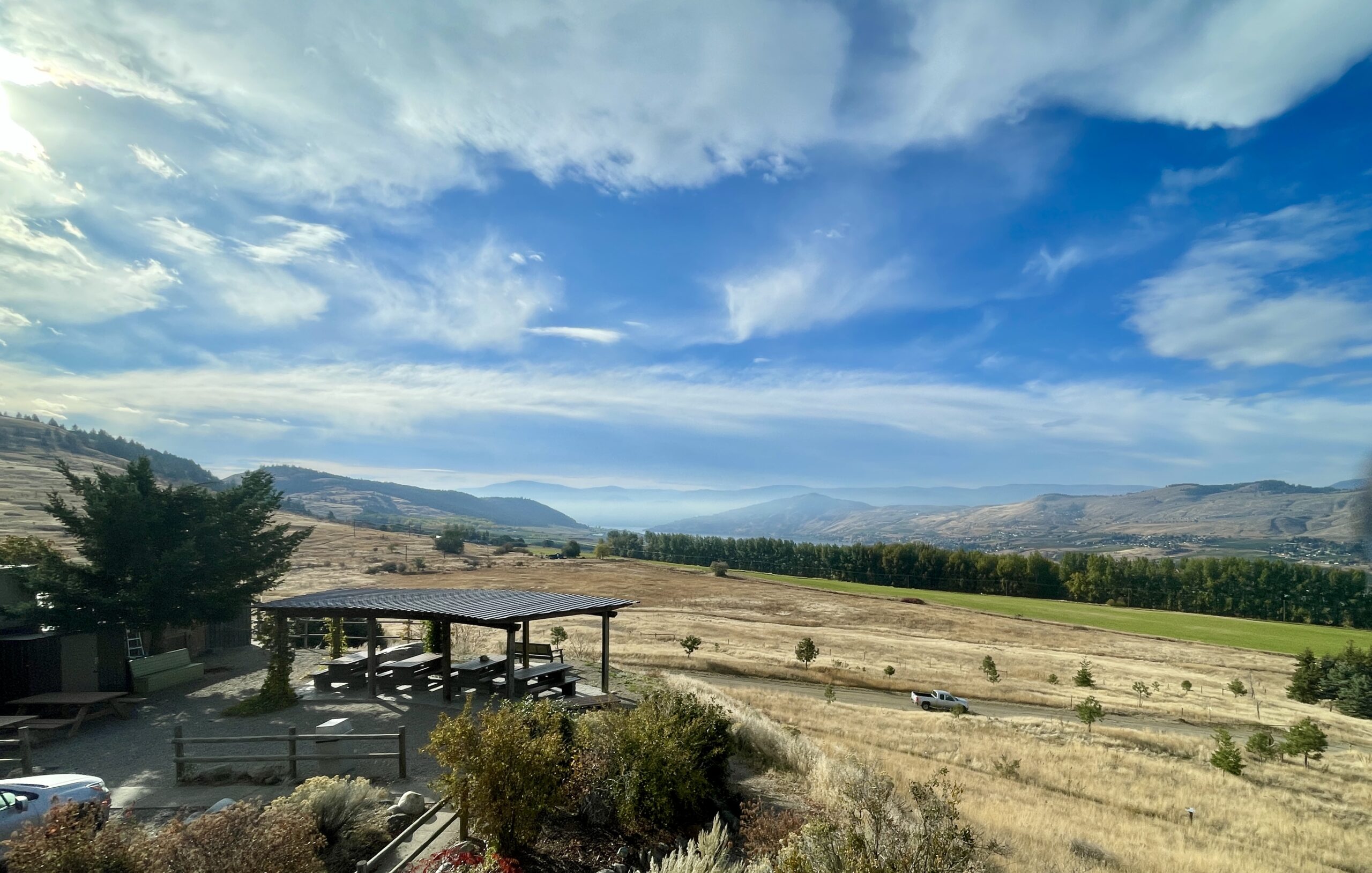
The view from the hilltop site of the Alan Brooks Nature Centre in Vernon, BC. Phoro: David Lilly.
Nature’s Water Towers
The Okanagan is one of Canada’s driest regions, receiving far less rainfall than many people expect. Water is therefore one of our most valuable natural resources.
Each winter, snow accumulates across the surrounding mountains. As spring arrives, it melts into alpine lakes, wetlands and streams. Rather than rushing downhill all at once, these natural systems act like enormous reservoirs. Lakes store water, wetlands absorb runoff, and mountain soils allow water to seep underground, releasing it gradually throughout the summer.
This slow release is essential. Without it, spring runoff would create larger floods while leaving streams and wetlands dry during the hottest months, when wildlife, native plants and people depend on them most.
Connected Ecosystems
The creeks that begin high in the mountains do far more than carry water downhill. They recharge groundwater, feed wetlands and create ribbons of lush vegetation through an otherwise dry landscape.
These riparian habitats support an extraordinary diversity of life. Cottonwoods and willows provide nesting sites for birds. Amphibians breed in seasonal wetlands. Mammals rely on dependable water sources during long, hot summers. Pollinating insects flourish where moisture allows native wildflowers to bloom.
Even the grasslands depend on these connections. Bluebunch wheatgrass, arrowleaf balsamroot and other native plants are well adapted to dry conditions, but they still rely on seasonal moisture and healthy groundwater. Those plants, in turn, support native bees, butterflies, grassland birds and mammals that make the Okanagan one of Canada’s biodiversity hotspots.
Nature does not separate forests, lakes, wetlands and grasslands. They function as one interconnected system.
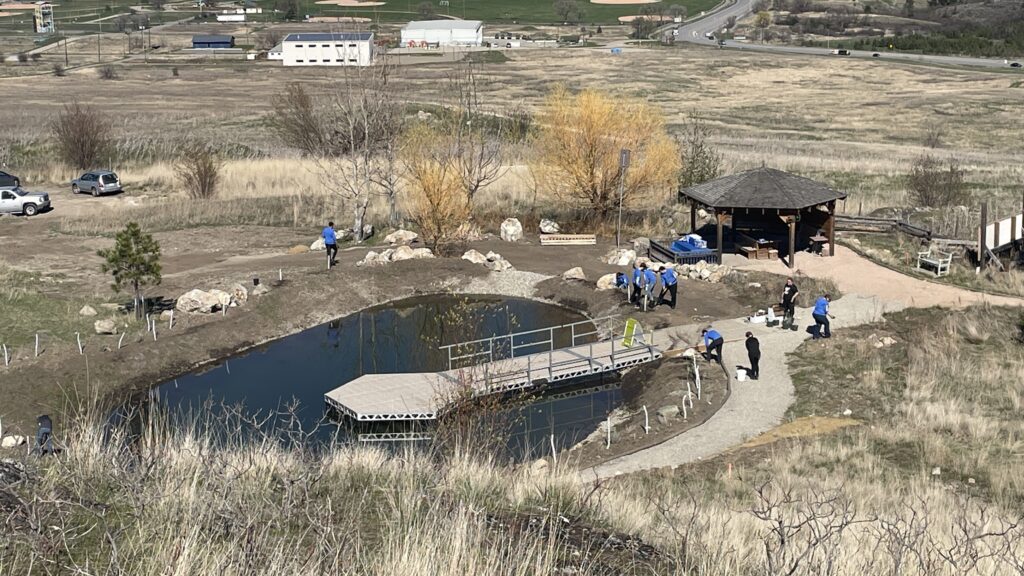
The Norah Foord Pond at Allan Brooks Nature Centre in Vernon, BC. Photo: David Lilly.
Why Small Lakes Matter
The Okanagan’s large lakes often capture our attention, but the smaller alpine lakes scattered across the surrounding mountains perform equally important ecological roles.
They store snowmelt, recharge groundwater, improve water quality by trapping sediments, and provide habitat for aquatic insects and amphibians. As insects emerge from these lakes, they become food for swallows, bats and songbirds, transferring nutrients from water to land.
These headwater lakes also help maintain cooler stream temperatures during summer, providing more resilient habitats for aquatic life as the climate warms. Protecting these seemingly isolated lakes helps sustain ecosystems many kilometres downstream.
A Changing Climate
Climate change is already altering how water moves through the Okanagan. Warmer winters mean more precipitation falls as rain instead of snow. Snowpacks are becoming less reliable, spring melt is arriving earlier, and hotter summers increase evaporation while placing greater stress on streams, wetlands and wildlife. Healthy headwaters are one of nature’s best defences against these changes.
Protected forests, intact wetlands and undisturbed mountain lakes slow water movement, reduce erosion and help maintain stream flows through the driest months of the year. Conserving these natural systems strengthens the resilience of both wildlife and our communities.
Looking Up to Protect What Lies Below
Visitors to the Allan Brooks Nature Centre come to experience the Okanagan’s grasslands – one of Canada’s rarest ecosystems and home to an exceptional diversity of plants and animals. What many don’t realize is that their story begins much higher.
Every alpine lake, wetland and snow-fed stream contributes to the health of the valley below. The meadowlark singing from a fencepost, the Western Tiger Salamander breeding in our pond, the native bees pollinating spring wildflowers, and even the lakes where we swim and paddle all depend, in some way, on healthy mountain watersheds. Conservation is not simply about protecting individual places. It is about protecting the connections between them.
The next time you visit a mountain lake like Island Lake, take a moment to look beyond its beauty. The water before you is beginning a journey that will sustain forests, wetlands, grasslands and communities throughout the Okanagan. Protecting these headwaters means protecting the entire landscape—and everything that depends on it.