CAMPING | Beginner’s Guide to Camping: What You Actually Need to Take
Collaboration
Staring at a packing list that seems to scroll on forever can take the excitement right out of planning your first camping trip. You might look at the endless recommendations for gadgets, gizmos, and technical gear and wonder if you need a second mortgage just to sleep in a field for the weekend. Here is the honest truth: you don’t.
Camping for beginners should be about simplicity and escaping the daily grind, not stressing over whether you bought the titanium spork or the plastic one. While it is easy to get carried away buying expensive outdoor equipment, the reality is that you need far less than you think to have a comfortable, safe, and enjoyable time.
This guide focuses on the “must-haves” rather than the “nice-to-haves.” We will cut through the noise and look at what is truly essential, from your shelter to smart food choices like freeze dried meals that save you washing up. Whether you are planning a family getaway in the Lake District or a quick weekend in the Cotswolds, this guide will help you pack lighter and camp smarter.
The Absolute Essentials (What You Truly Can’t Skip)
Before we talk about comfort, we need to talk about survival—or at least, keeping warm and dry. The UK weather is famously unpredictable, so getting these basics right is the foundation of a successful trip. These are the items you absolutely cannot leave behind.
Shelter
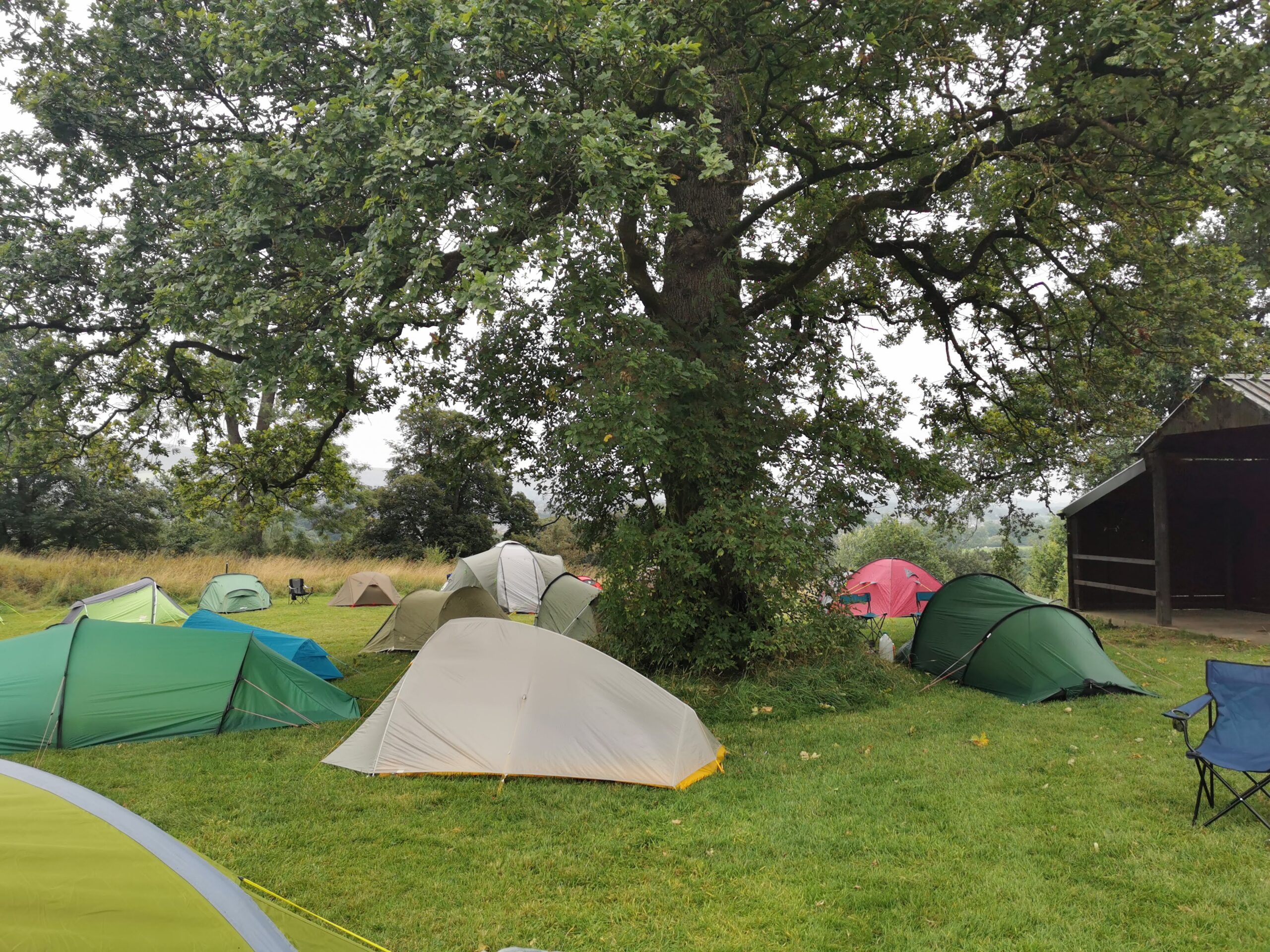
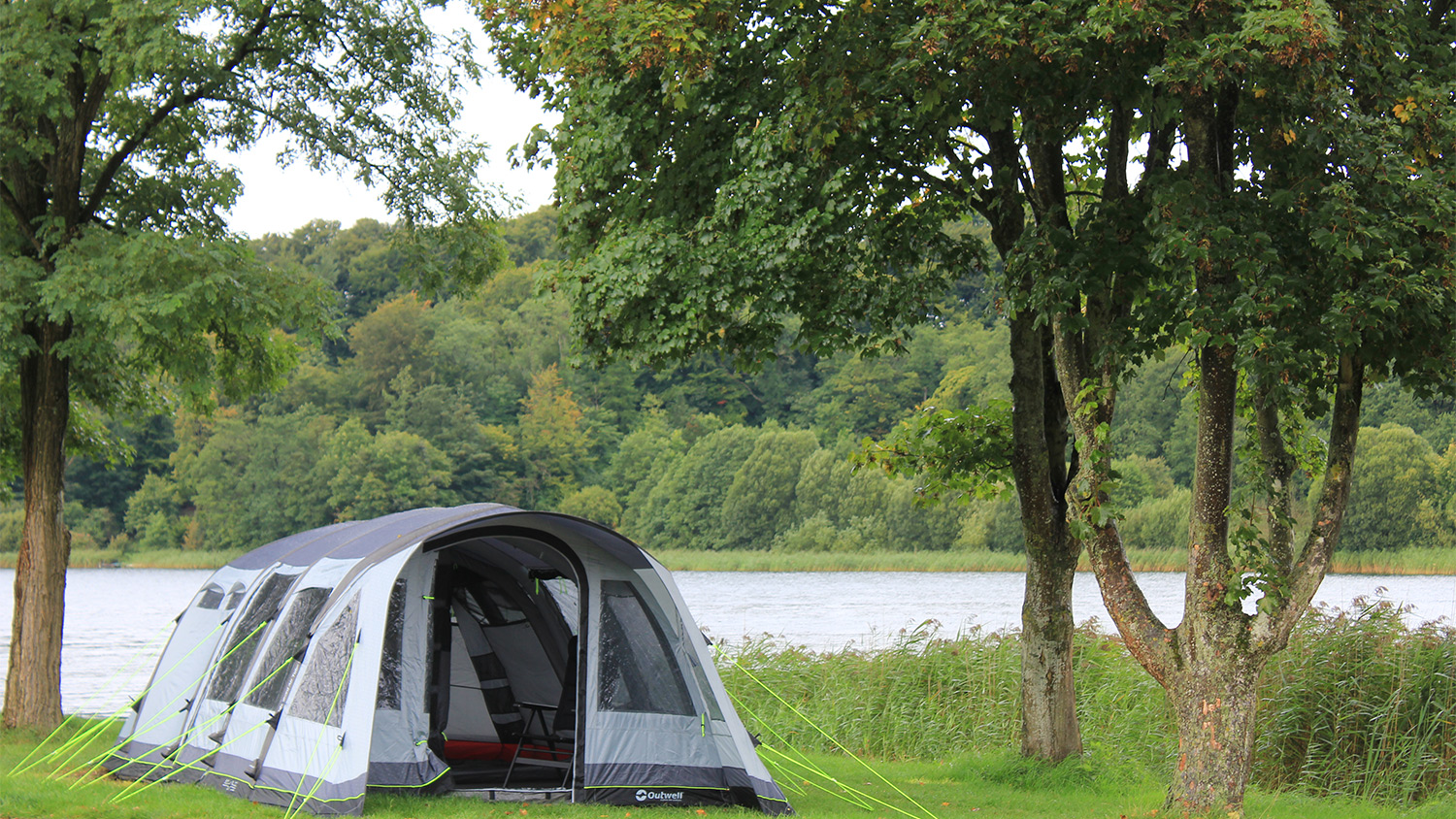
Your tent is your home away from home. For your first trip, you don’t need an expedition-grade shelter designed for Everest. You need something waterproof, easy to pitch, and big enough for your group.
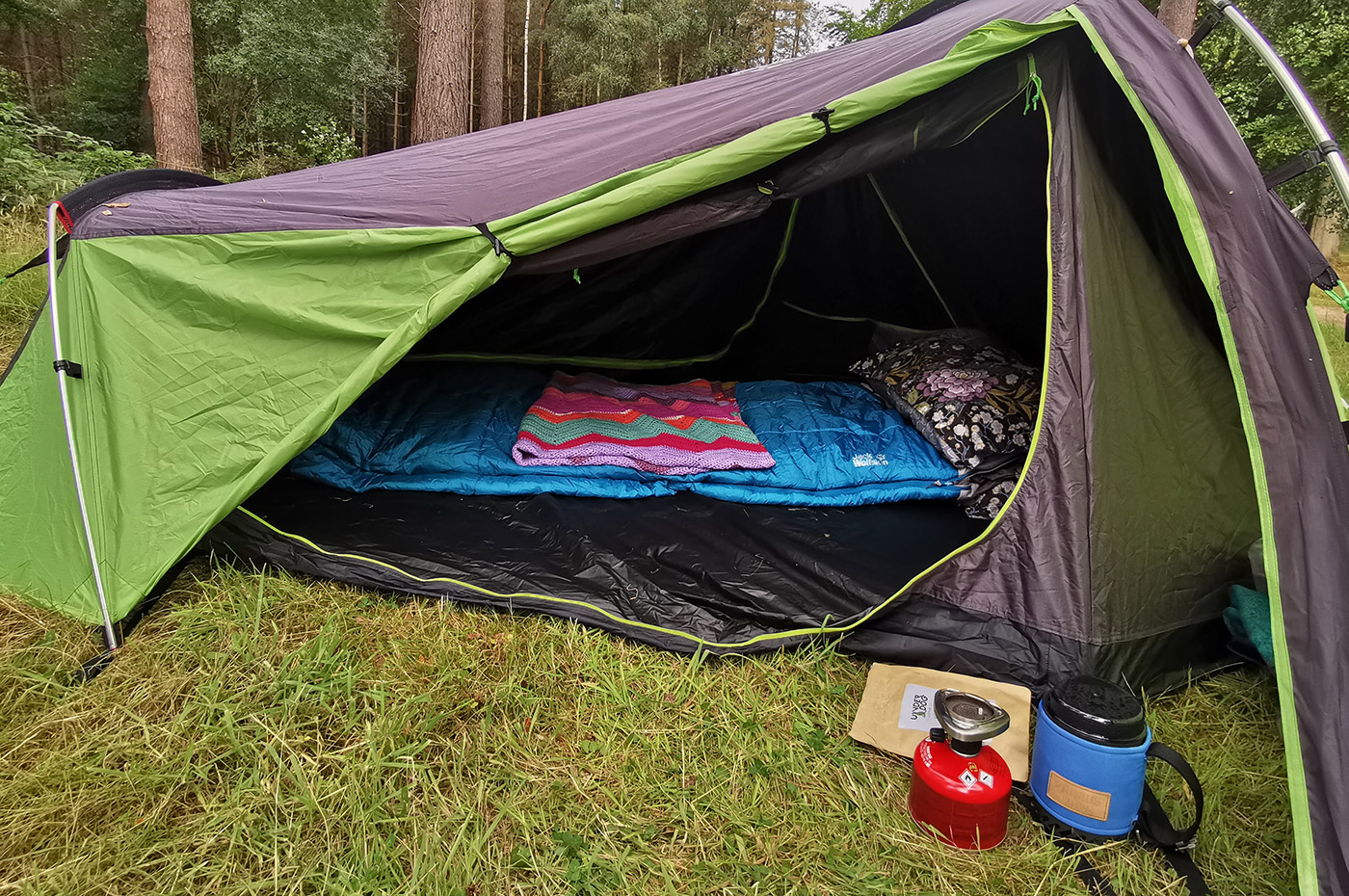
Tent: A good rule of thumb is to choose a tent that claims to sleep one more person than you actually have. A “two-person” tent is usually a tight squeeze for two people plus bags. If there are two of you, aim for a three-person tent.
Tent pegs and mallet: Most tents come with flimsy wire pegs that bend the moment they hit a rock. Invest in a few sturdy steel pegs and a rubber mallet. You will thank yourself when you are pitching on hard ground.
Groundsheet: While many tents have sewn-in groundsheets, putting an extra tarp or “footprint” underneath protects your tent floor from stones, mud, and moisture.
Sleeping Basics
A bad night’s sleep can ruin a camping trip faster than rain. Many beginners make the mistake of focusing only on the sleeping bag, but what you lie on is just as important as what you lie in.
Sleeping bag: Choose a bag appropriate for the season. In the UK, even summer nights can drop below 10°C. A “3-season” bag is usually a safe bet for spring through autumn.
Sleeping mat: This is non-negotiable. The ground sucks heat away from your body rapidly. A sleeping mat provides essential insulation as well as cushioning. An inflatable roll mat or a self-inflating mattress is far superior to a simple yoga mat.
Pillow: You don’t necessarily need a specific camping pillow. To save money, simply bring a pillowcase and stuff it with your spare clothes, or bring a pillow from your bed if you have space in the car.
Clothing
Forget fashion; think function. When looking at outdoor equipment and clothing, prioritise layers that trap heat and keep water out.
Weather-appropriate layers: The “onion principle” applies here. Wear a base layer to wick sweat, a mid-layer (like a fleece) for warmth, and an outer layer for wind and rain protection.
Waterproof jacket: In the UK, this is the most critical item in your bag. Ensure it is actually waterproof, not just “shower resistant.”
Sturdy shoes or boots: You don’t need professional hiking boots for a campsite, but you do need waterproof footwear that can handle mud and uneven grass. Trainers often get soaked instantly in morning dew.
Spare socks: Nothing lowers morale like cold, wet feet. Always pack more socks than you think you need.
Food & Drink Made Simple
One of the biggest sources of stress for new campers is cooking. Managing raw meat, keeping milk cold without a fridge, and washing up grease in a plastic bowl can be a hassle. The secret to a relaxing first trip is to keep the menu incredibly simple.
Easy Meal Options for Beginners
You don’t need to cook a three-course banquet. For your first time, lean on pre-prepared food.
Simple pre-prepared food: Bring a loaf of bread, some hard cheese, apples, and snack bars. These don’t require cooking or complex storage.
Sandwiches and snacks: Prep sandwiches at home for your first lunch so you don’t have to unpack the cooking gear the moment you arrive.
Freeze dried meals: These are a game-changer for reducing stress. Modern freeze dried meals are tasty, nutritious, and incredibly lightweight. Because they only require boiling water, you eliminate the need for chopping boards, knives, and heavy pans. Plus, you can often eat them straight from the pouch, meaning there is zero washing up to do afterwards. For a first camping trip, they simplify the entire process.
Basic Cooking Equipment
If you are planning to boil water for tea or those freeze dried meals, you will need a basic kitchen setup.
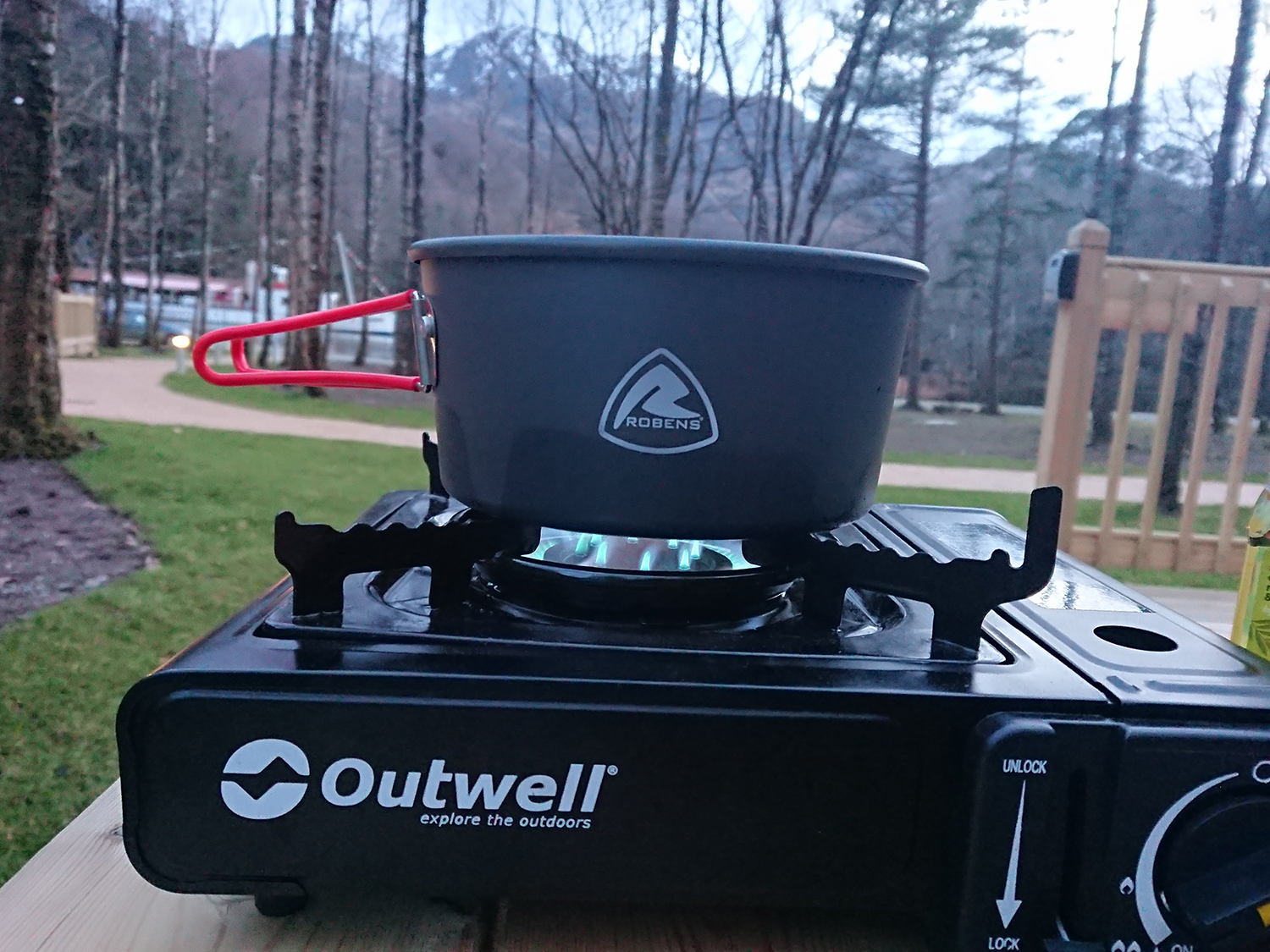
Small camping stove: A simple gas canister stove sits directly on top of the gas bottle and is perfect for boiling water. They are cheap, compact, and easy to use.
Fuel: Always check which gas canister your stove needs (screw-on or click-on) and bring a spare.
Lighter or matches: Stoves often have a built-in ignition, but these can fail. Always carry a lighter or waterproof matches as a backup.
Mug and simple cutlery: You don’t need a full dining set. A sturdy mug, a spork (or a fork and spoon from home), and a bowl are usually sufficient.
Water container: A 5-litre water carrier saves you from trekking back and forth to the campsite tap every time you want a drink.
Essential Outdoor Equipment for Safety & Comfort
Beyond sleeping and eating, there are a few items of outdoor equipment that bridge the gap between “surviving” and “enjoying.”
Lighting
Campsites get very dark very quickly. Trying to find the toilet block in pitch blackness is an adventure you don’t want.
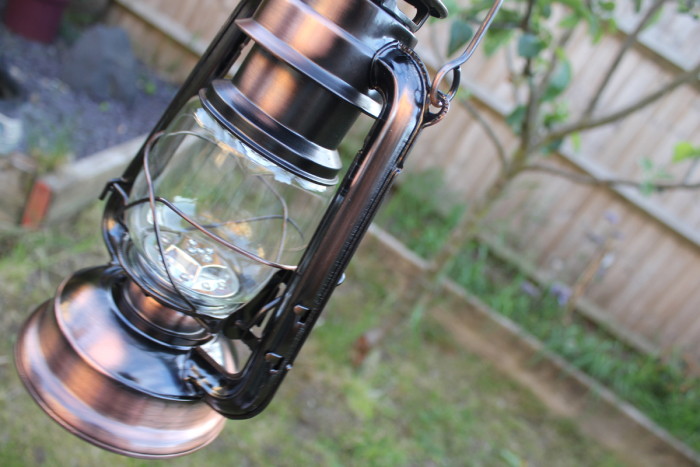
Torch or head torch: A head torch is superior because it keeps your hands free for cooking, reading, or unzipping the tent. It is a small piece of outdoor equipment that makes a massive difference to your evening comfort.
Basic Safety
While camping is generally very safe, minor scrapes and practical issues can happen.
First aid kit: Pack plasters, blister pads, painkillers, antiseptic wipes, and any personal medication.
Phone and portable charger: Batteries drain faster outdoors, especially if you are taking photos or using maps. A power bank ensures you stay connected in emergencies.
Printed campsite details: Don’t rely solely on your phone. Have a screenshot or printout of your booking reference and the campsite address in case you lose signal.
Personal Items
Toiletries: Toothbrush, toothpaste, and biodegradable soap.
Towel: A microfiber travel towel dries much faster than a standard cotton bath towel and takes up less space.
Sun cream: Yes, even in the UK!
Insect repellent: Midges and mosquitoes can be a nuisance, particularly near water or in the Scottish Highlands.
What You Don’t Need (But Might Be Tempted to Buy)
Retailers are very good at convincing us that we need highly specialised outdoor equipment for a weekend in a field. To save money and car space, resist the urge to buy the following:
Excess cooking gear: You do not need a double-burner stove with a grill for your first trip. It’s heavy, bulky, and expensive.
Multiple outfit changes: You will likely wear the same fleece and trousers for two days. That is perfectly normal camping behaviour.
Large furniture: While camping chairs are great, inflatable sofas, wardrobes, and kitchen units are overkill for beginners.
Overly technical outdoor equipment: You don’t need a GPS watch, a survival knife, or an ultralight carbon-fibre trekking pole. Stick to the basics.
Too much food: Most beginners pack enough food to feed an army. If you are only going for two nights, plan your meals specifically so you don’t end up throwing food away.
Tips for Your First Camping Trip
Success lies in preparation. Here are a few final tips to ensure your first adventure is a happy one.
Do a trial set-up at home
This is the golden rule. Pitch your tent in the garden or living room before you leave. You do not want to be reading instructions for the first time in the rain while losing daylight. This also ensures no poles or pegs are missing.
Check the weather forecast
Be realistic. If a storm is predicted, there is no shame in rescheduling. Camping in torrential rain on your very first trip can be enough to put you off for life.
Keep meals simple
We mentioned freeze dried meals earlier, and it is worth repeating. When you are tired from the fresh air, having a hot meal ready in 10 minutes with just boiling water is a luxury. Save the complex campfire cooking for when you are more experienced.
Label bags or use storage boxes
Tents get messy quickly. Use clear plastic storage boxes or distinct bags for “Kitchen,” “Sleeping,” and “Clothes.” It stops the tent from becoming a chaos of plastic bags.
Don’t overpack “just in case”
Trust your list. If you pack for every possible scenario, you will be exhausted from hauling gear before you’ve even pitched the tent.
Quick Beginner Camping Checklist
To make things easy, here is a summary checklist you can tick off as you pack.
Shelter & Sleeping
Tent (checked for all poles/pegs)
Mallet and spare sturdy pegs
Sleeping bag
Sleeping mat or airbed
Pillow
Clothing
Waterproof jacket
Warm fleece or jumper
Comfortable trousers (avoid denim as it stays wet and cold)
Sturdy shoes/boots plus slip-on shoes for late-night toilet trips
DISCLOSURE | This post has been placed by a third party.
Where to next?
CAMPING | Camp Kitchen Essentials For Your Next Camping Trip
CAMPING TIPS | A Beginner’s Guide to Camping – How To Enjoy Camping
GEAR | Bluetti Poweroak EB70 716Wh Portable Power Station For Camping Review
The post CAMPING | Beginner’s Guide to Camping: What You Actually Need to Take appeared first on Camping Blog Camping with Style | Travel, Outdoors & Glamping Blog.